
Reviewed · FOOD & DRINK
Sabah Traditional Authentic Cuisine Cooking Class 3 Hours
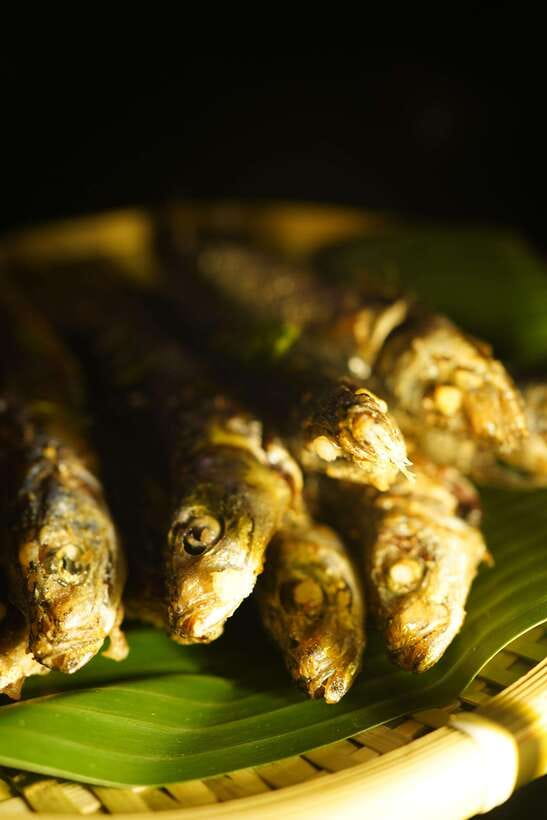
Sabah’s best food lesson may happen not in a polished cooking studio, but on a local porch with garden ingredients nearby. In this three-hour class, Auntie Winnie, Auntie Cindy, or Chef Bonny guides you through Sabah dishes, explaining ingredients such as bunga kantan, lemongrass, and jungle garlic as you cook.
I like the hands-on format, since you do more than watch a demonstration. I also like the personal setting, which may be a home garden, porch, or kitchen rather than a formal school. The main thing to consider is that ingredients are prepared before you arrive, so this is a cooking class, not a market visit or a full lesson in food preparation from scratch.
Key points to know
- Local chefs lead the class: Auntie Cindy, Auntie Winnie, and Chef Bonny are local instructors with strong knowledge of Sabah food and customs.
- You cook and eat your own lunch: The class runs from 10am to 1pm, and the finished dishes are served at the end.
- Garden ingredients may be part of the experience: Some sessions take place at a local home, with ingredients such as herbs and vegetables coming from the garden.
- Expect more than basic recipes: The lesson covers food history, culture, ingredients, cooking methods, and taste.
- Downtown pickup is included: Free hotel pickup is available from downtown Kota Kinabalu only.
- Dietary needs can be discussed ahead of time: Vegetarian, no-pork, gluten-free, and other requests can be accommodated when arranged in advance.
A Sabah kitchen instead of a tourist restaurant
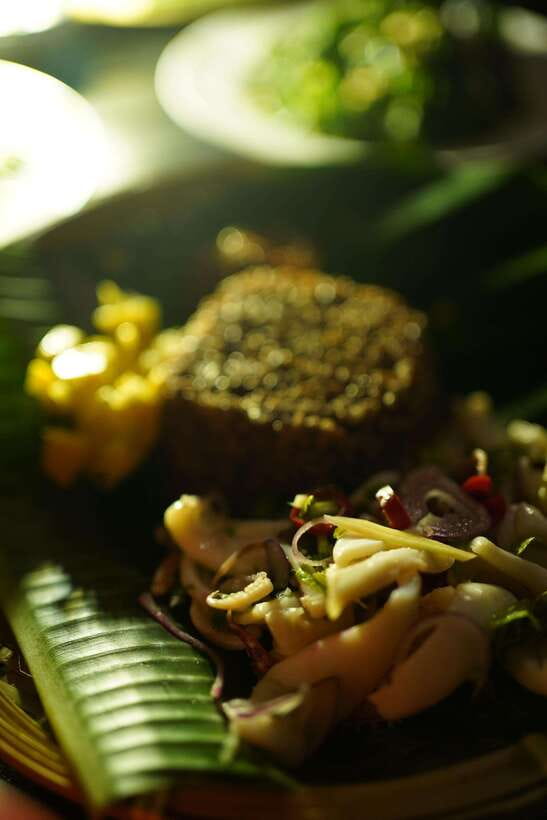
This class offers a useful way to understand Sabah through food. You are not simply served a local meal and told its name. You handle ingredients, learn how they are used, and taste the finished dishes with the person who taught you to cook them.
The setting is part of the appeal. The main class is indoors, but some sessions take place at a local home, on a front porch, terrace, or in a garden setting. Auntie Winnie’s class, for example, has included ingredients from her own garden, along with produce bought for the meal. That gives the lesson a more personal feel than a standard cooking school.
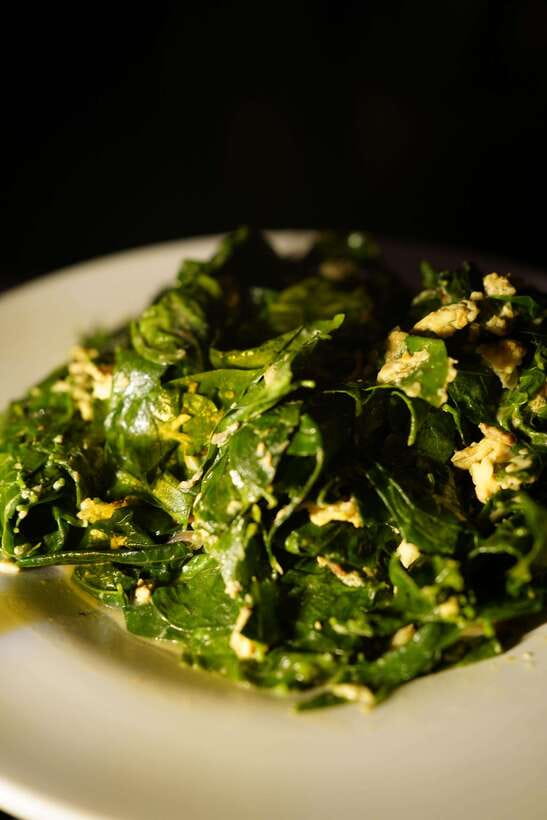
You may work with several local flavors that are unfamiliar if your cooking has mostly centered on European or North American ingredients. Bunga kantan, lemongrass, and jungle garlic have featured in the cooking, and the instructors explain what each ingredient does rather than leaving you to guess.
I like this approach because food names alone do not tell you much. Knowing how an ingredient smells, how it is cut, when it goes into the pan, and what it contributes to the finished dish helps you repeat the recipe at home.
More Food Tours in Kota Kinabalu:
- Sambal Streets Kuala Lumpur Food Tour with 15+ Tastings
★ 5.0 · 2,438 reviews - Kuala Lumpur: Sambal Street Food Tour with 15+ Tastings
★ 4.9 · 1,657 reviews - Penang Plates Food Tour with 15+ Tastings
★ 4.9 · 734 reviews
What happens during the three hours
The regular session runs from 10am to 1pm. That timing works well for a morning activity because you finish with lunch rather than trying to fit a cooking class into the middle of your evening plans.
The ingredients are prepared in advance. This matters because the three hours focus on cooking, teaching, and tasting. You should not expect to spend the first part of the session shopping in a market, cleaning fish, or measuring every ingredient from the beginning.
Your instructor explains the dishes, ingredients, cooking style, and the cultural background of the food. Then you take part in the preparation and cooking. The lesson is described as step by step, which is helpful if you are not confident in the kitchen or if you want to remember the process later.
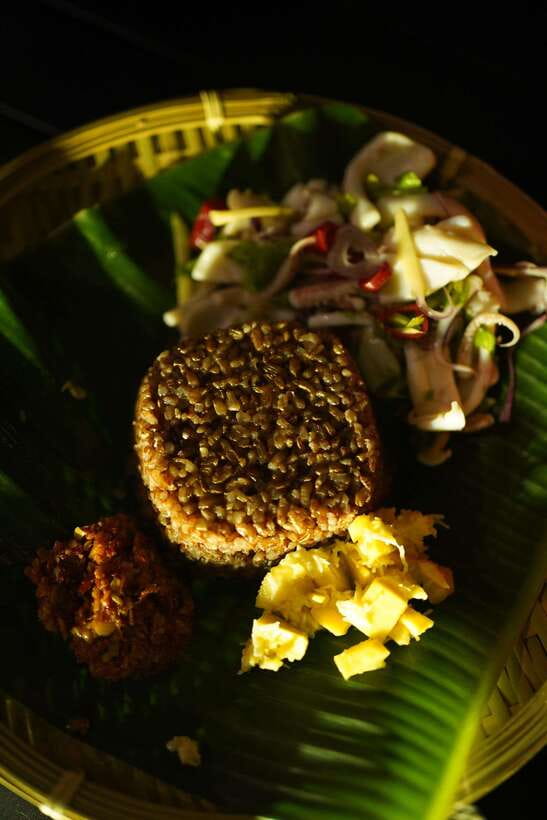
The exact menu can vary. Sessions have included more than five Sabah dishes, as well as meals built around fish and vegetables. You should confirm the planned menu if you have a particular dish in mind, since no fixed list of recipes is provided.
At the end, you sit down to eat what you made. You can also arrange to take the food away, according to the activity details. Either way, come hungry. A large meal after three hours of cooking is part of the point, and eating the food gives you a chance to compare the flavors you created with what you expected.
Auntie Cindy, Auntie Winnie, and Chef Bonny
The instructors are a major reason to choose this experience. Auntie Cindy, Auntie Winnie, and Chef Bonny are presented as local chefs with a close understanding of Sabah ingredients and food culture.
Auntie Winnie has led several of the home-based sessions. Her teaching style is described as warm, relaxed, and detailed. She explains ingredients as you use them, and some classes include a look at where fresh produce comes from in her garden.
Auntie Cindy is also named as a host with strong knowledge of local culinary traditions. Chef Bonny is another possible instructor. Since the specific chef may depend on the date and arrangement, check who will lead your class when booking if that matters to you.
This is not a silent demonstration where you stand behind a counter and take photos. The instructors explain what you are doing and why. They also share anecdotes about ingredients and local food habits, which gives the recipes a sense of place.
The language options are English, Malay, Chinese, and Traditional Chinese. That range makes the class practical for a mixed group, though it is still wise to state your preferred language in advance.
The ingredients are the real lesson
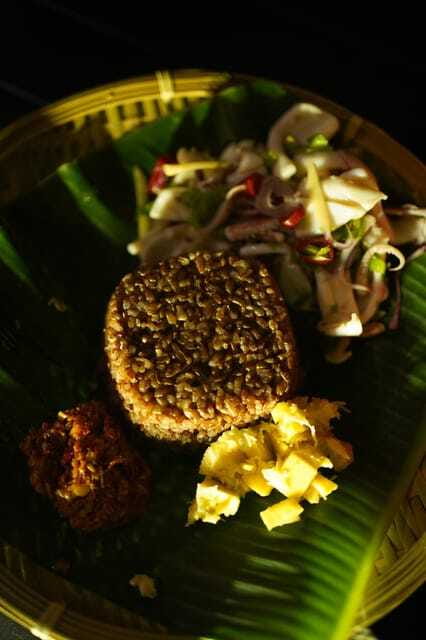
Sabah food is easy to describe in broad terms, but a cooking class shows the details. An ingredient such as lemongrass can be used in many ways, and the instructor’s explanation helps you understand how it fits into the dish rather than treating it as a decorative addition.
Bunga kantan gives you another example. If you have never used it, the class lets you see and taste its distinct flavor in context. Jungle garlic and garden vegetables add more local character to the meal.
Freshness also matters here. Some sessions use produce from the instructor’s garden, while other ingredients are bought for the class. You may not visit a market, but you still get a practical explanation of what is being used and how it affects the dish.
The emphasis is on taste as well as technique. You learn about the flavor of each ingredient, the cooking method, and the final presentation. That makes the recipes easier to remember than a printed list alone.
You receive a copy of the recipes to keep. I would still take notes if you want to recreate the food at home, especially if the instructor gives useful guidance about texture, timing, or ingredient substitutions.
More hands-on workshops near Kota Kinabalu:
- Batu Caves and Sari Experience with Batik Workshop
★ 5.0 · 181 reviews - LaZat Malaysian Cooking Class
★ 5.0 · 87 reviews - Malaysia Cooking Classes With Local
★ 5.0 · 87 reviews - New Malaysian Kitchen Cooking Class and Garden Tour
★ 5.0 · 54 reviews
A personal setting with some practical tradeoffs
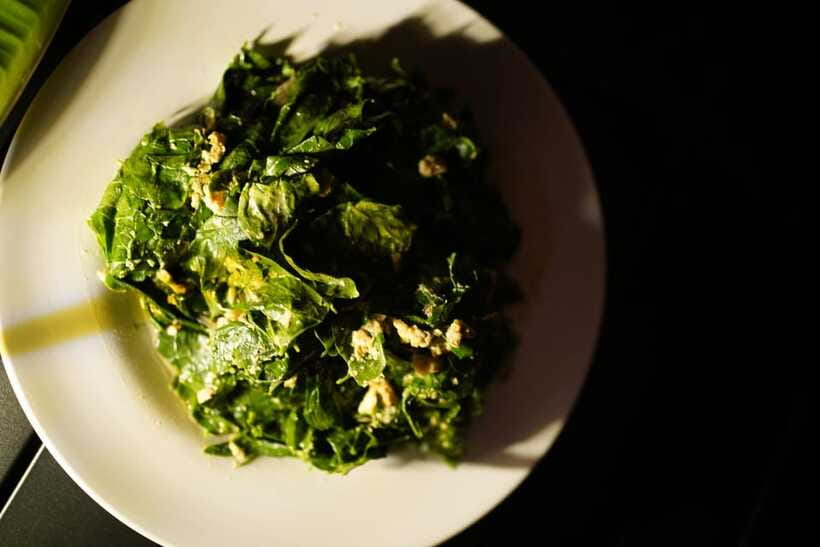
A local home or garden is a strong feature for many people. You see the setting where the host cooks, spend time with the family, and get a feel for everyday food culture. The setting can also make the class feel intimate and relaxed.
That same informality may not suit everyone. If you expect a modern teaching kitchen with identical workstations, restaurant equipment, and a fixed classroom routine, this may feel more casual than you imagined.
One session took place on a home terrace, while another included cooking on a front porch. These are appealing settings, but the exact arrangement can vary. Ask about the location if indoor access or a particular type of workspace matters to you.
The activity is listed as wheelchair accessible. Still, because some classes may be held at a private home or outdoor area, you should confirm the specific setup before booking if you have mobility requirements.
The operator can arrange special night classes or outdoor and campsite sessions. These are not part of the standard three-hour schedule, so treat them as arrangements to request rather than guaranteed features.
Pickup from downtown Kota Kinabalu
Free pickup is included from hotels in downtown Kota Kinabalu only. This saves you the trouble of arranging a separate ride if you are staying in the city center.
The class location may be outside the central hotel area, particularly when it takes place at a chef’s home. Allow some flexibility around the transfer. One participant had a poor experience with a taxi ride but found that the class itself quickly made up for the rough start.
That is a useful reminder to confirm the pickup plan clearly. Ask where and when the driver will meet you, especially if your hotel is outside downtown. Transportation has been arranged smoothly for other sessions, but the ride itself is not the main attraction and may vary.
If you plan to make your own way there, confirm the address and arrival instructions before the day of the class. The booking includes pickup in the stated area, but it does not promise pickup from every Kota Kinabalu hotel.
Is $50 a fair price?
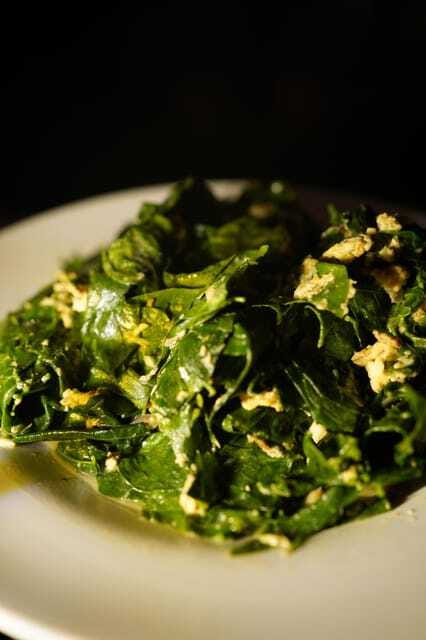
At $50 per person, this is not the cheapest way to eat lunch in Sabah. You can find a lower-cost local meal in Kota Kinabalu. The value comes from the instruction, the ingredients, the personal setting, the recipes, and the time spent cooking with a local host.
I think the price makes sense if you want to carry the experience home. You get a meal, but you also get explanations that can help you make Sabah-style food in your own kitchen. The recipe copy adds practical value, particularly if you enjoy cooking after a trip.
The price is less compelling if you only want to taste local food or if you dislike hands-on kitchen work. In that case, a food tour or restaurant meal may be a better use of your money.
Utensils and crockery are not included. The listing does not explain exactly what participants need to bring or how this works in each location, so ask before arrival. That is a small but important detail, especially if you are traveling light or booking a special outdoor session.
Who will enjoy this class most?
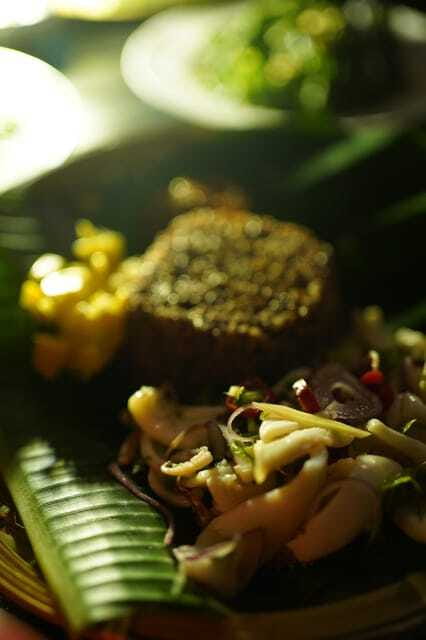
This is a good choice for people who enjoy food, local families, and small-scale cultural activities. You do not need advanced cooking skills. The step-by-step teaching suits beginners, while the unusual herbs and cooking methods give more experienced home cooks something new to explore.
It also works well as a slower day during a busy Borneo trip. One participant described it as a useful recovery day during a longer adventure. Three hours of cooking and eating can provide a welcome change from packed sightseeing or outdoor activities.
Families and couples may appreciate the relaxed pace. A birthday cake has even been arranged as a special request, though that is not a standard inclusion. If you want a celebration or another personal touch, ask ahead of time.
Vegetarians, people avoiding pork, and those needing gluten-free food can be accommodated when the request is made in advance. Do not wait until the class begins. Tell the operator about your diet before booking or as soon as possible afterward.
This is less suitable if you want a precise, fixed menu, a market shopping lesson, or a professional kitchen with formal service. The experience is local and flexible, which is part of its charm, but it also means the details may vary from one session to another.
Booking details that matter
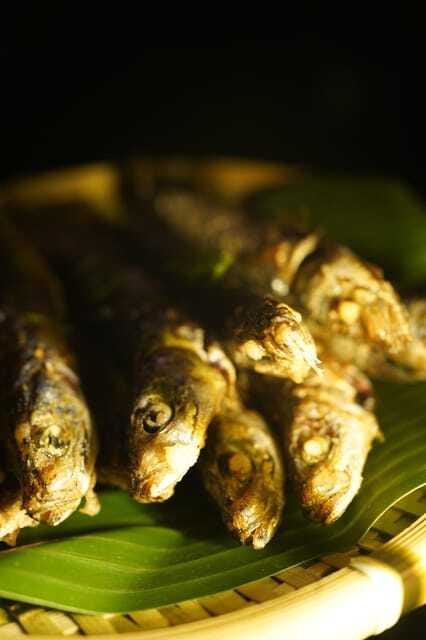
The standard class lasts three hours, from 10am to 1pm. Starting times may be checked when you book, but the advertised daytime session is the main format.
Free cancellation is available up to 24 hours before the activity for a full refund. You can also reserve now and pay later, which is useful if your Kota Kinabalu plans are still moving around.
The activity has a 4.9 rating from 22 reviews. The strongest pattern is clear: people value the warm instruction, local ingredients, the home setting, and the chance to eat what they prepared. The less consistent part is the transfer, so I would pay closer attention to pickup details than to the cooking itself.
If you are booking for a group, mention dietary needs, preferred language, special celebrations, and any accessibility concerns in advance. The operator can also discuss a night class or an outdoor or campsite format, but those require special planning.
Should you book the Sabah cooking class?
Book it if you want personal contact with local cooks and a meal you can try to recreate later. The combination of hands-on work, garden ingredients, food stories, and lunch gives you more than a simple restaurant visit.
I would especially recommend it for first-time visitors who want to understand Sabah through everyday food. Auntie Winnie’s porch and garden sessions sound particularly appealing if you like informal settings and family hospitality, while Auntie Cindy and Chef Bonny offer other local teaching options.
Skip it if you want a polished culinary school, a market tour, or a guaranteed menu. Also check the pickup area, utensil arrangements, dietary needs, and assigned chef before paying.
For most people who enjoy cooking, $50 is a reasonable price for three hours of instruction, ingredients, and lunch. Just arrive hungry, keep your schedule loose around the transfer, and be ready to taste something you may not have encountered anywhere else.
FAQ
How long does the Sabah cooking class last?
The standard class lasts three hours, from 10am to 1pm.
Where does the cooking class take place?
The workshop is primarily conducted indoors. Special sessions may take place at a local home, garden, terrace, porch, outdoor site, or campsite, depending on the arrangement.
Who teaches the class?
The class may be led by local chefs including Auntie Cindy, Auntie Winnie, or Chef Bonny. Confirm the assigned instructor when booking if you have a preference.
What languages are available?
Instruction is available in English, Malay, Chinese, and Traditional Chinese.
Is hotel pickup included?
Free pickup is included from hotels in downtown Kota Kinabalu only.
Is lunch included?
You prepare the dishes during the class and eat your finished meal at the location for lunch. You can also arrange to take the food away.
Are ingredients included?
Ingredients are prepared for the workshop and provided for the cooking session. The class focuses on cooking rather than shopping or preparing every ingredient from the beginning.
Can dietary requirements be accommodated?
Vegetarian, no-pork, gluten-free, and other dietary requests can be accommodated when you tell the operator beforehand.
Can I cancel or pay later?
You can cancel up to 24 hours in advance for a full refund. Reserve now and pay later is also available.
More 3-Hour Experiences in Kota Kinabalu
- Langkawi: Mangrove River Cruise Sharing 3 Hours
★ 4.6 · 474 reviews - Private Mangrove Tour 3 Hour (max 8 People)
★ 5.0 · 9 reviews - 3-Hour Private Street Food Walking Tour in Kuala Lumpur
★ 4.5 · 6 reviews - 3-Hour Countryside and Batu Tour in Malaysia
★ 5.0 · 6 reviews
More Cooking Classes in Kota Kinabalu
- Market Visit & Private Hands-on Cooking Class at Daun Senja
★ 5.0 · 51 reviews - Malaysian Hands-On Cooking Class : Masala Medley
★ 5.0 · 24 reviews - Kuala Lumpur: Malaysian Cooking Class with Market Tour
★ 5.0 · 11 reviews
Just added around Kota Kinabalu
- Sabah: White Water Rafting Grade 3-4 at Padas River★ 4.7 · 3 reviews
- Sunset E-Foil Experience in Tanjung Aru Beach★ 5.0 · 10 reviews
- Island Hopping ( Manukan & Sapi Island ) From Kota Kinabalu★ 4.5 · 9 reviews
- Join us for a RAID Try Dive in Kota Kinabalu★ 5.0 · 27 reviews
- Mangrove Kayaking Experience in Borneo★ 5.0 · 8 reviews
- Monsopiad Cultural Village Visit with Private Transfer from Kota Kinabalu★ 4.5 · 5 reviews
- Mari Mari Cultural Village★ 4.5 · 11 reviews
- Mount Kinabalu Climbing 3 Days 2 Nights★ 5.0 · 7 reviews
Food & Drink, compared.
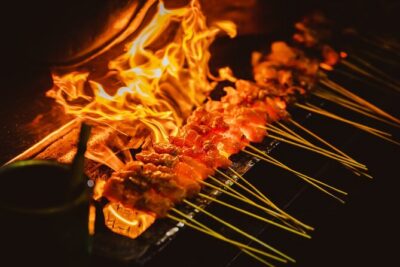
Sambal Streets Kuala Lumpur Food Tour with 15+ Tastings
Read our review →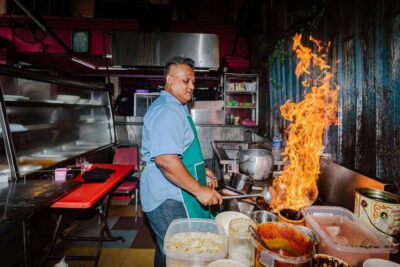
The 10 Tastings of Kuala Lumpur With Locals: Private Street Food Tour
Read our review →
Kuala Lumpur Local Street Food Private Walking Tour by Night
Read our review →
Eat Like a Local: Kuala Lumpur Hawker Center and Street Food Tour by Night
Read our review →
Good Morning Penang Food Tour with 15+ Tastings
Read our review →Browse the lists this tour appears in