
Reviewed · FOOD & DRINK
Kuala Lumpur: Sambal Street Food Tour with 15+ Tastings
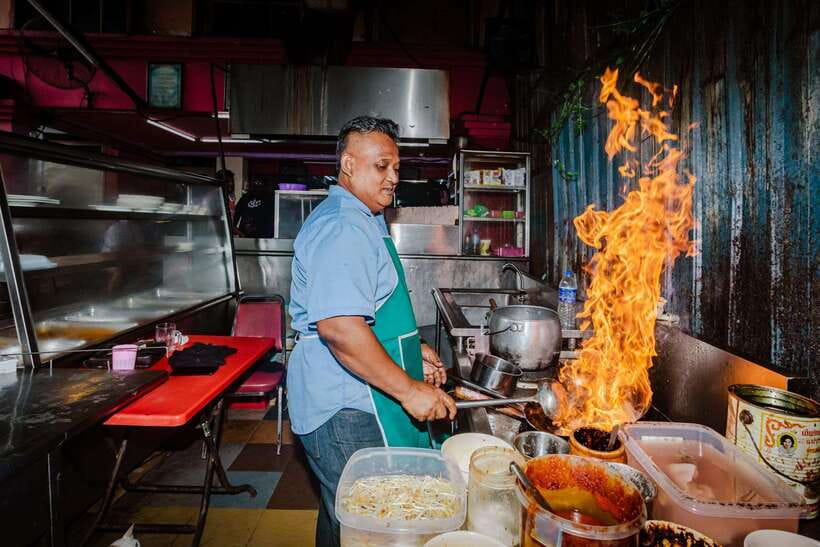
Kuala Lumpur’s food culture makes the most sense one bite at a time. This four-hour, 15-plus tasting tour leads you through local eateries around Chow Kit and Kampung Baru, where nasi lemak, rendang, satay, roti canai, sambal-covered fish, cendol, and durian turn dinner into a full evening lesson.
I like the small group of eight and the guides’ personal touch. Kiran, Nadia, Ian, Steve, Sam, Sean, and Jay are among the guides praised for explaining dishes clearly, adjusting spice levels, and helping participants find their way home. I also like the route’s local feel, with market ingredients and modest eateries rather than a parade of famous tourist stops.
The one catch is simple: there is a lot of food. Some people finish uncomfortably full, and vegetarians, vegans, and people with severe allergies should choose another tour. Kuala Lumpur’s rain is another practical concern, since this walk goes ahead in wet weather.
Key points to know before booking
- 15-plus tastings make this a full dinner, not a snack walk. Eat lightly beforehand, or skip lunch if your schedule allows.
- Chow Kit and Kampung Baru add local context. You see ingredients, neighborhood life, and places many first-time visitors would miss.
- The guides are a major part of the value. Kiran, Nadia, Ian, Steve, Sam, Sean, and Jay are praised for warmth, food knowledge, patience, and help with dietary needs.
- Expect famous dishes and less familiar ones. Roti canai, nasi lemak, satay, grilled mackerel with sambal, durian cendol, curries, and local noodles may all appear.
- The pace is relaxed but the meal is substantial. The group moves between stops without rushing, yet you will likely leave very full.
- Rain gear matters. The tour runs rain or shine, and comfortable walking shoes are essential.
Why this food tour works in Kuala Lumpur
Malaysia’s cooking is not one single tradition. Malay, Chinese, Indian, and other influences meet in the city’s hawker stalls, markets, cafés, and family-run eateries. For a first visit, that variety can be exciting but also confusing. A menu may offer unfamiliar names, different levels of chili, and ingredients you cannot easily identify.
This tour gives you a useful starting point. You do not simply eat a succession of dishes. You learn what goes into them, how they fit into Malaysian life, and how the food changes from one cultural tradition to another.
The food also arrives in small portions, at least initially, so you can try widely without ordering a full serving of every dish. The experience is designed for sharing. If you want more of something, your guide can usually help arrange it, but the group is not meant to waste piles of food.
At $53 per person, this is not the cheapest way to eat in Kuala Lumpur. You could buy individual dishes for far less. The value comes from the guide, the number of stops, the explanation of ingredients, and the confidence you gain for eating on your own afterward. If you already know KL’s food scene well, the price may feel high. If you are new to Malaysian cuisine, it is easier to justify.
More Food Tours in Kuala Lumpur
- Sambal Streets Kuala Lumpur Food Tour with 15+ Tastings
★ 5.0 · 2,438 reviews - The 10 Tastings of Kuala Lumpur With Locals: Private Street Food Tour
★ 5.0 · 249 reviews - Kuala Lumpur Local Street Food Private Walking Tour by Night
★ 4.5 · 224 reviews
Meeting your guide near Jalan Tuanku Abdul Rahman
The meeting point is outside the entrance of the Hilton Garden Inn South, on the corner of Jalan Raja Alang and Jalan Tuanku Abdul Rahman. Hotel pickup and drop-off are not included, so plan your route to the meeting point before the tour begins.
This is worth taking seriously. A four-hour food walk is easier when you arrive calm, hydrated, and ready to eat. The tour is in English and is limited to eight participants, which allows the guide to talk with everyone instead of shouting to a large crowd.
The guide roster varies. You might meet Kiran, Nadia, Ian, Steve, Sam, Sean, Jay, or another member of the local food team. The strongest pattern in the feedback is not one particular guide, but the care shown across the team. Guides regularly check spice tolerance and food restrictions, answer repeated questions, help with photos, and sometimes explain the best way back to public transport at the end.
Starting with ingredients in the market
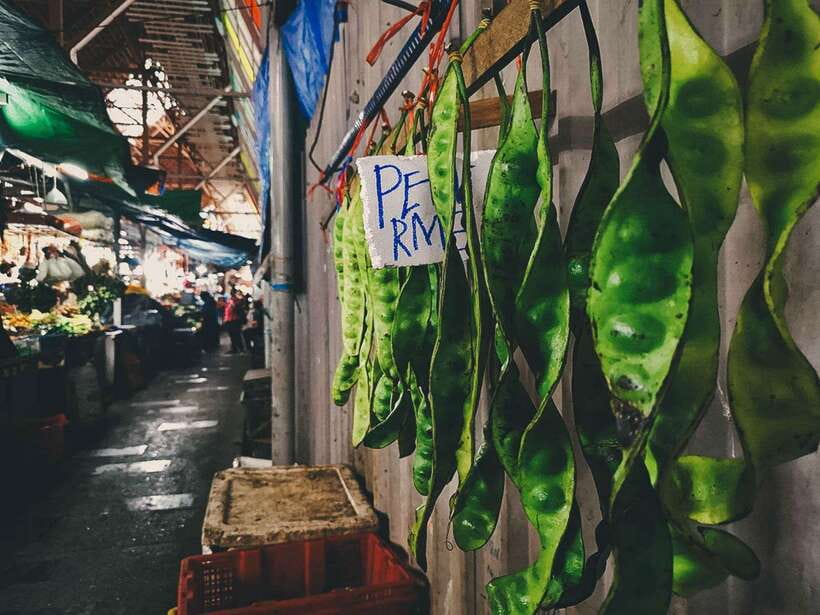
The tour commonly begins with a walk through a local market or food area. This first section helps you recognize the raw materials behind Malaysian cooking. You might see herbs, spices, chilies, fruit, coconut products, fish, and other produce used in the dishes you will soon taste.
I find this opening useful because it gives the meal a visual vocabulary. Later, when sambal arrives beside grilled fish, you have already heard about the ingredients and the role they play. When a guide points out the components of nasi lemak or a curry, the dish feels less like a mystery.
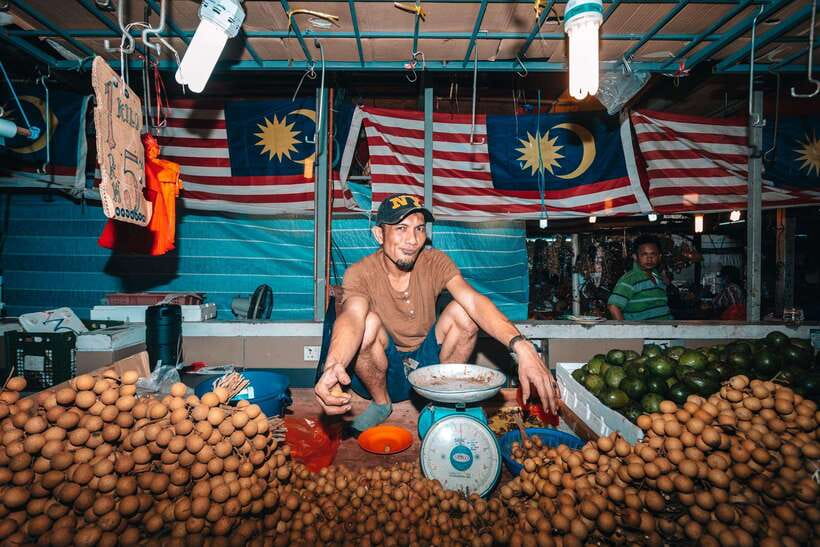
The market walk also connects food with place. Chow Kit is one of the city’s long-established areas, while Kampung Baru retains a more traditional neighborhood character despite Kuala Lumpur’s towers nearby. The contrast helps you see a side of the city that a central shopping district cannot provide.
Expect a working local area rather than a polished attraction. There may be traffic, uneven pavement, background noise, and weather. That is part of the setting, but it means you should wear shoes that can handle four hours of walking.
Roti canai and the pleasure of watching food being made
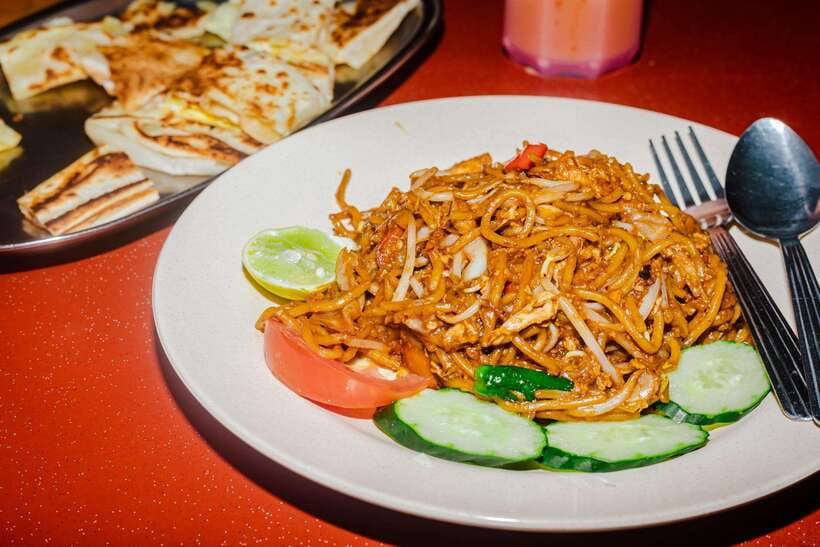
Roti canai is one of the tour’s more hands-on moments. This Indian Muslim flatbread is stretched, flipped, folded, and cooked before being served with curry. At some stops, you can try the roti-flipping technique yourself.
You should not expect to master it in one attempt. The fun is in seeing how much skill goes into a food that looks simple on the plate. The bread arrives crisp at the edges, soft inside, and ideal for scooping up curry.
This stop also shows why a guided tour is useful. Your guide can explain the differences between the bread, the accompanying curry, and related Malaysian dishes. You get a better sense of how Indian influences became part of everyday Malaysian eating, not just a separate category on a restaurant menu.
Same base, a completely different kind of day:
- Kuala Lumpur: Batu Caves Half-Day Tour with Pick-Up Option
★ 4.5 · 4,288 reviews - Private Half-Day Batu Caves and Cutural Tour in Kuala Lumpur
★ 5.0 · 3,107 reviews - From Kuala Lumpur: Batu Caves Cultural Temple Tour
★ 4.7 · 1,453 reviews - Kuala Lumpur: Petronas Twin Towers Entry E-Ticket
★ 4.6 · 1,229 reviews
Nasi lemak, rendang, and familiar Malaysian classics
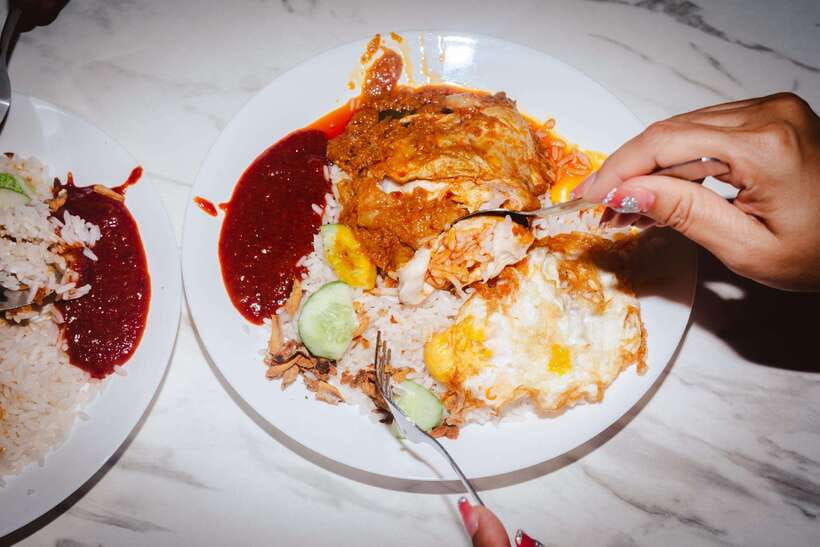
The tour includes well-known dishes, but it does not stop there. Nasi lemak is likely to be one of the anchor tastings. Coconut rice is usually served with some mix of sambal, egg, anchovies, peanuts, and other accompaniments. The appeal is in the contrast between creamy rice, salty crunch, and spicy sauce.
Rendang offers another important reference point. Its slow-cooked meat and spice paste show how Malaysian food can be both forceful and layered. Your guide can help you understand what you are tasting rather than reducing everything to simply hot or not hot.
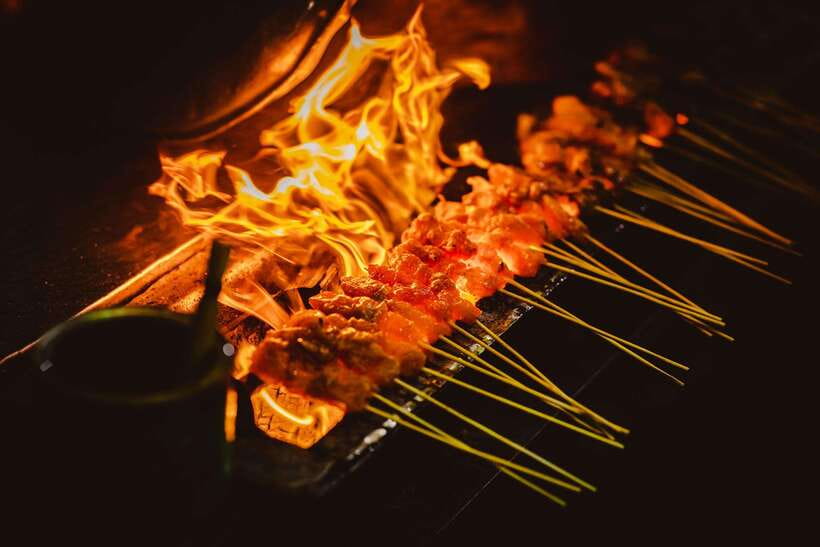
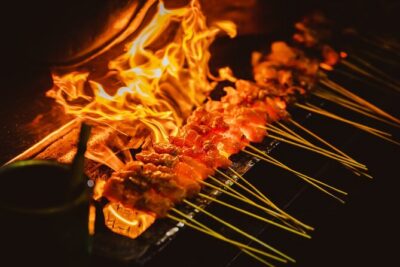
Satay is another crowd-pleaser. These flame-grilled skewers arrive with peanut sauce, and the smoky flavor makes a nice change from rice and curry. The meal is carefully varied, so you are not eating fifteen versions of the same dish.
Do not assume the famous foods are filler. They give you a base for understanding the less familiar items that follow. After trying nasi lemak and satay, you are better prepared to judge the more unusual combinations.
Grilled fish, sambal, and the sharper side of the meal
One of the more distinctive tastings is banana-leaf grilled mackerel with sambal. The banana leaf contributes aroma and helps keep the fish moist, while sambal brings chili, acidity, and savory depth.
This can be a spicy point in the meal, but the guides pay attention to individual tolerance. Several guides are praised for asking about spice levels early and adjusting dishes when possible. That does not make the tour suitable for everyone with dietary concerns, but it does make the experience more manageable for people who can eat a normal range of foods but prefer less heat.
If you are sensitive to chili, say so clearly at the start. Do not wait until a plate is already in front of you. Spice levels can vary, and the guide needs to know whether you dislike heat or must avoid it for medical reasons.
Noodles, curries, and Malaysia’s mixed food traditions
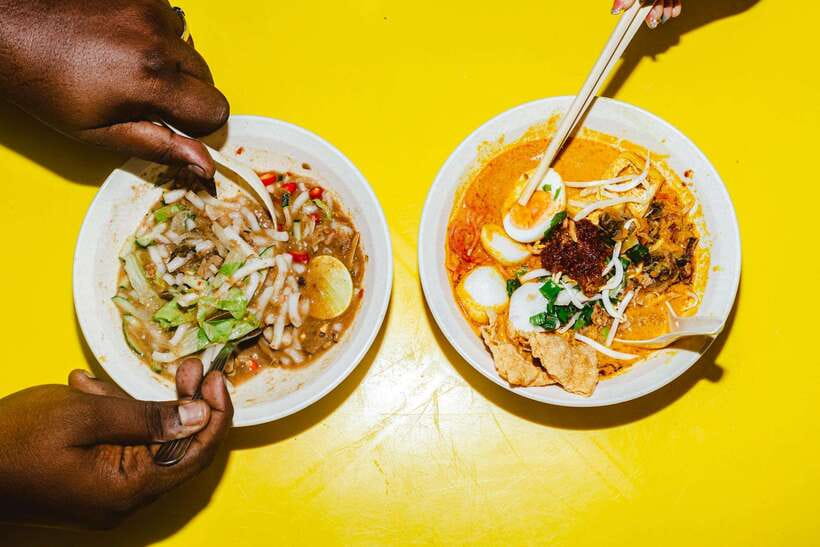
The tastings can include curry laksa, mama mee, and other noodle or curry dishes. These give you another view of Malaysia’s mixed food culture, with Chinese and Indian influences meeting Malay ingredients and local cooking habits.
Laksa is especially helpful for understanding texture. The broth, noodles, herbs, and chili interact differently from a dry noodle dish or a rice plate. Mama mee brings another style of seasoning and preparation. The exact selection can vary, so treat the listed dishes as examples rather than a guaranteed menu for every departure.
This portion of the tour is where the guide’s explanations matter most. A string of unfamiliar dishes can blur together if you do not know what to notice. A good guide slows down long enough to explain the main ingredients, preparation, and cultural setting, then lets you taste without turning dinner into a lecture.
The best guides also listen. Ian, Nadia, Kiran, Steve, Sam, Sean, and Jay are each praised for answering questions, keeping the atmosphere friendly, and making solo participants feel included. That matters in a small group, since the social side of a food tour can shape the whole evening.
Durian, cendol, fruit, and a sweet finish
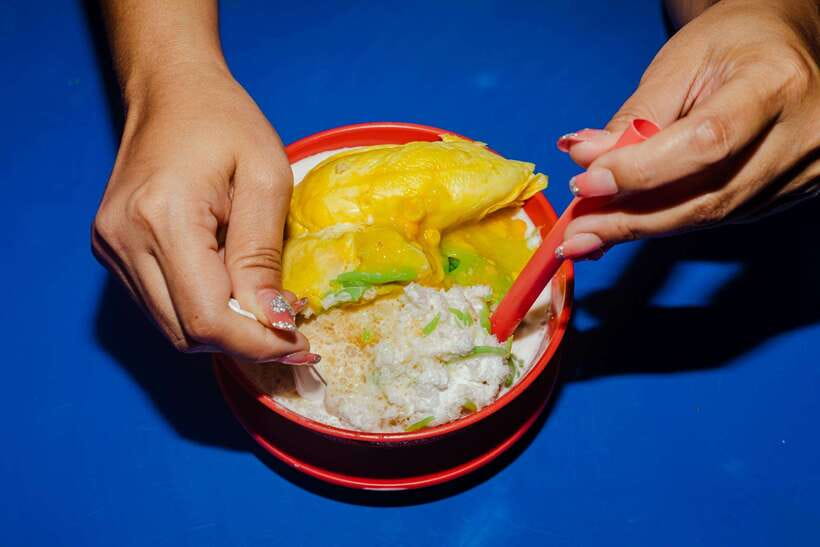
Dessert brings some of the tour’s more memorable flavors. Cendol is a cooling dessert made with shaved ice and sweet ingredients, and the version here may include durian. Durian has a powerful smell and a flavor that divides people sharply. If you already know you dislike it, tell your guide before the tasting.
Trying it in a group is a good way to approach it. You can take a small taste, compare reactions, and move on without committing to a full portion. Other seasonal fruit may appear, and a mango shake has also been part of the finishing spread.
The sweet course is useful after so much savory food, but it does not make the meal light. By this point, most people will have eaten well. Save room for dessert, but do not arrive after a huge lunch expecting to handle the full route comfortably.
Pacing, portions, and the very real food problem
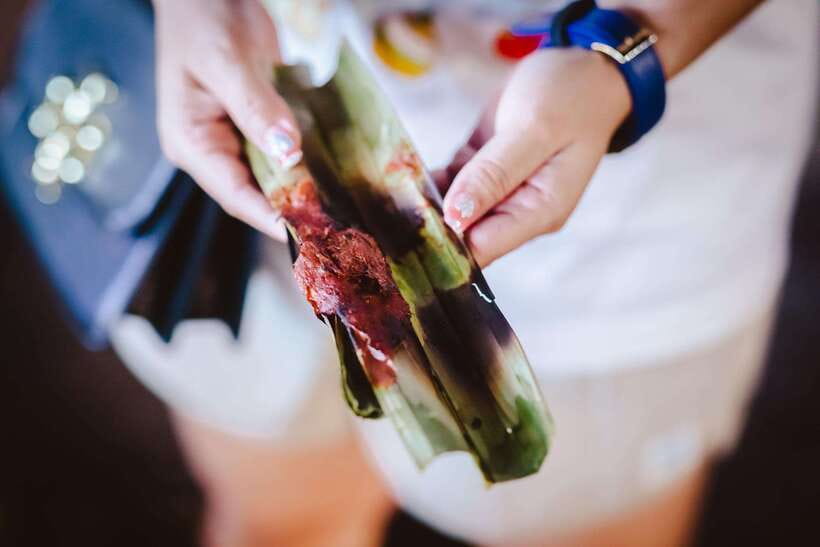
The tour lasts four hours, and the walking helps break up the eating. The best pace is relaxed: you have time to sit, taste, ask questions, and move on before the next dish arrives. Several guides are praised for preventing the evening from turning into a rushed food sprint.
Still, 15-plus tastings can be a lot. One practical complaint is that the meal may become so large that you cannot enjoy the final dishes. I would follow the instruction to eat lightly beforehand. Do not arrive starving after a full day without food, but do not eat a heavy meal either.
Portions may be adjusted for the group, and the guides try to avoid unnecessary waste. That is a sensible approach. You get variety first, then more of the dishes people particularly enjoy.
The group size helps here. With eight or fewer participants, it is easier to share plates, compare preferences, and tell the guide when you need a pause. A large food group would be less personal and harder to manage at small local eateries.
Dietary needs, rain, and comfort
Lactose intolerance and some other dietary needs can be supported if you explain them when booking. Pescatarian participants have been accommodated on some tours, with replacements arranged when a chicken dish was mistakenly served.
That said, this is not a vegetarian or vegan tour. There are few alternatives at the stops, and the tour is not suitable for severe food allergies. The food is prepared in local eateries where cross-contact may be difficult to control. If your diet is strict, book only after confirming directly with the provider.
The tour runs rain or shine. Bring an umbrella and rain gear, and wear comfortable shoes with a good grip. Kuala Lumpur’s weather can change quickly, and an evening of wet pavement is no time for delicate footwear.
Alcohol is not included, and alcohol and drugs are not permitted. Bottled water is included, which is useful in the heat and during the walking sections.
Who will get the most from this tour?
I would choose this experience early in a Kuala Lumpur visit. It gives you a working guide to local dishes, so later meals become easier to order. You may also return to Kampung Baru or the night market on your own, as one participant did after enjoying the area.
This tour suits you if:
- You want a full meal and a broad range of Malaysian dishes.
- You prefer local eateries to formal restaurants.
- You enjoy asking questions about history, ingredients, and culture.
- You are comfortable walking outdoors in possible rain.
- You are open to strong flavors, fish, meat, chili, and durian.
- You are traveling alone and like a small, social group.
I would hesitate if you need a vegetarian, vegan, or highly controlled allergy-friendly menu. I would also hesitate if you dislike large meals or prefer to choose every dish yourself.
Is the $53 price fair?
For food alone, $53 is expensive by Kuala Lumpur standards. Local eating is often wonderfully affordable, and you could sample several classics on your own for a fraction of the fee.
But recreating this evening would take more than finding cheap food. You would need to identify the right areas, choose dishes without much context, order suitable portions, and navigate between stops. The fee covers more than dinner: it buys a small-group guide, 15-plus tastings, bottled water, cultural background, and access to places you may not spot on your own.
The strongest value comes from the guides. Kiran’s enthusiasm, Nadia’s patience, Ian’s attention to dietary needs, Steve’s practical explanations, and the warm approach associated with Sam, Sean, and Jay all make the meal easier to understand. The exact guide is not guaranteed, but the format allows for personal attention.
You can cancel up to 24 hours ahead for a full refund, and you can reserve now and pay later. Those policies make the booking less risky if your Kuala Lumpur plans are still moving around.
Should you book it?
Book this tour if you want Kuala Lumpur explained through food rather than just photographed from above. The combination of market ingredients, traditional neighborhoods, local eateries, 15-plus tastings, and a guide who can explain what is on your plate is hard to reproduce alone in one evening.
Book early in your stay, arrive hungry but not stuffed, and tell the guide about dietary needs and spice tolerance before the first dish. Skip it if you are vegetarian, vegan, severely allergic, or uncomfortable with a generous amount of food.
For most adventurous eaters, $53 buys a useful introduction to Kuala Lumpur’s food culture, plus enough ideas to keep eating well after the tour ends.
FAQ
How long is the Kuala Lumpur food tour?
The tour lasts four hours and includes walking between food stops in Kuala Lumpur.
How many tastings are included?
The experience includes more than 15 tastings, along with bottled water.
Where does the tour meet?
Meet your guide outside the entrance of the Hilton Garden Inn South, on the corner of Jalan Raja Alang and Jalan Tuanku Abdul Rahman.
What areas does the tour visit?
The route focuses on local areas of Kuala Lumpur and can include Chow Kit and Kampung Baru, including a traditional neighborhood and local food areas.
Is the tour suitable for vegetarians or vegans?
No. The tour is not suitable for vegetarians or vegans because there are few alternatives at the food stops.
Can dietary needs be accommodated?
Lactose intolerance and some other dietary needs can be supported if you tell the activity provider when booking. The tour is not suitable for severe food allergies.
What should I bring?
Bring comfortable shoes, an umbrella, and rain gear. The tour runs rain or shine, and you should arrive ready to eat a substantial amount of food.
Just added around Kuala Lumpur
- Walk & Discover KL’s Architectural and Heritage Gems★ 5.0 · 7 reviews
- Private Transfer: Kuala Lumpur International Airport to or from Hotel★ 4.5 · 14 reviews
- Transit Tour Private Tour (Ex Port Klang Cruise Centre/KLIA 1 &2)★ 5.0 · 10 reviews
- Private Port Klang Cruise to Kuala Lumpur City Tour★ 5.0 · 3 reviews
- Private Kuala Lumpur Shore Excursions★ 4.5 · 22 reviews
- Kuala Lumpur City & Batu Caves Temple Private Tour★ 4.5 · 3 reviews
- Kuala Lumpur International Airport Transfers★ 5.0 · 4 reviews
- Kuala Lumpur International Airport Layover Tour★ 4.0 · 12 reviews
Food & Drink, compared.
Sambal Streets Kuala Lumpur Food Tour with 15+ Tastings
Read our review →
The 10 Tastings of Kuala Lumpur With Locals: Private Street Food Tour
Read our review →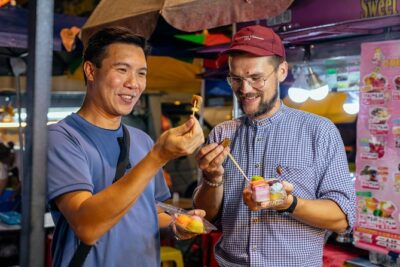
Kuala Lumpur Local Street Food Private Walking Tour by Night
Read our review →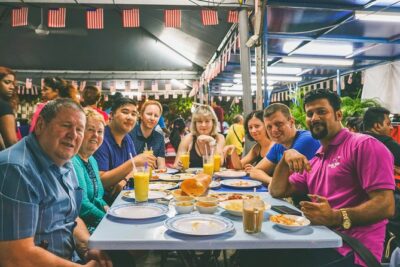
Eat Like a Local: Kuala Lumpur Hawker Center and Street Food Tour by Night
Read our review →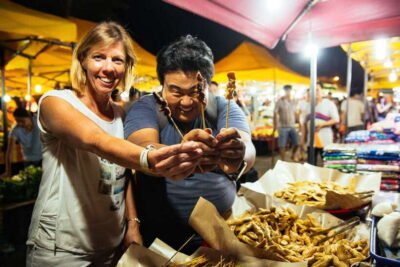
Good Morning Penang Food Tour with 15+ Tastings
Read our review →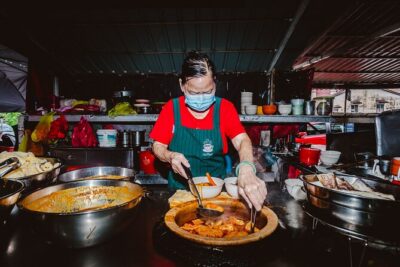
Laksa Lanes Kuala Lumpur Food Tour with 14+ Tastings
Read our review →Browse the lists this tour appears in