
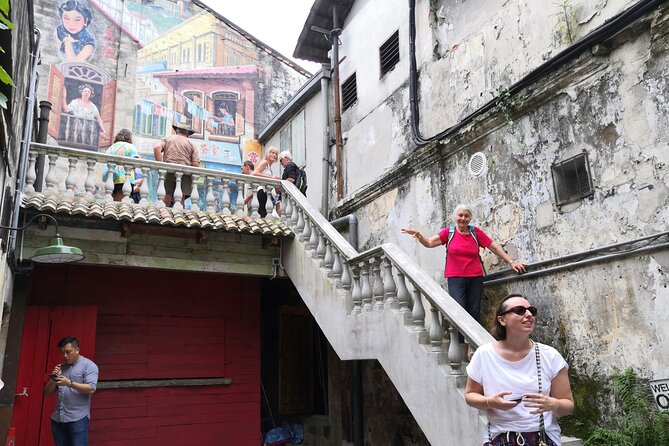
Reviewed · FOOD & DRINK
Kuala Lumpur Walk, Eat & See Tour
Kuala Lumpur’s best introduction may be a walk that connects its three major ethnic communities through food, markets, and old neighborhoods. This tour moves from Little India Brickfields to Malay Kampung Baru, then through the city center and Chinatown, so you see how several parts of KL fit together rather than visiting one sight in isolation.
I like the small maximum of 12 people, which should make it easier to ask questions and keep the pace comfortable. I also like that snacks and train tickets are included, while Charles, also called Charlie, brings the history, food knowledge, and friendly vendor connections. The main drawback is the flexible one-to-five-hour duration: you may not know exactly how long your outing will last, and the walk includes markets and busy streets rather than formal museum stops.
Key points at a glance
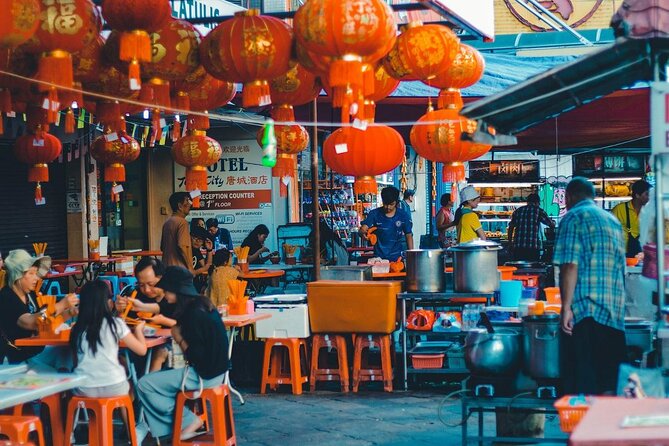
- Three Kuala Lumpur communities in one outing: Brickfields, Kampung Baru, and Chinatown show Indian, Malay, and Chinese influences.
- Food is part of the route: Included snacks can include foods such as nasi lemak, jackfruit, Chinese noodles, and banana roti.
- Chow Kit adds a local market stop: You see an older part of Kuala Lumpur and how its daily trade still works.
- Old and new KL meet downtown: Masjid Jamek, the River of Life project, Merdeka Square, Central Market, and heritage buildings fill out the city story.
- A small group keeps it personal: The maximum is 12 people, and Charles is known for answering questions across food, culture, and city history.
- The route ends in Chinatown: Petaling Street leads to cafés, bars, back lanes, murals, and former red-light lanes with new uses.
Why this Kuala Lumpur food walk works
Many city tours in Kuala Lumpur jump from one photo stop to another. This one makes more sense as a connected walk. You begin at Nu Sentral in Brickfields and finish at Petaling Street Market, with trains helping link the districts.
That route gives you a quick lesson in how Kuala Lumpur grew. Indian religious sites, Malay village homes, Chinese commerce, old colonial-era buildings, riverside projects, and modern cafés all appear within the same half-day framework. You are not simply collecting landmarks. You are seeing how communities shaped the city.
Food gives the walk its rhythm. Rather than sitting down for one large meal, you sample small bites along the way. That is useful in Malaysia, where the food story is tied closely to the people who prepared it and the places where they live and work.
Charles is a major part of the experience. He is described as fluent in English, friendly, humorous, and able to answer questions on a wide range of topics. He may offer options such as a longer route, which is helpful if you have the time and appetite. The food matters, but the guide’s ability to explain where dishes and communities come from is what gives the walk its purpose.
More Food Tours in Kuala Lumpur
- Sambal Streets Kuala Lumpur Food Tour with 15+ Tastings
★ 5.0 · 2,438 reviews - Kuala Lumpur: Sambal Street Food Tour with 15+ Tastings
★ 4.9 · 1,657 reviews - The 10 Tastings of Kuala Lumpur With Locals: Private Street Food Tour
★ 5.0 · 249 reviews
Brickfields begins with Indian food and faith
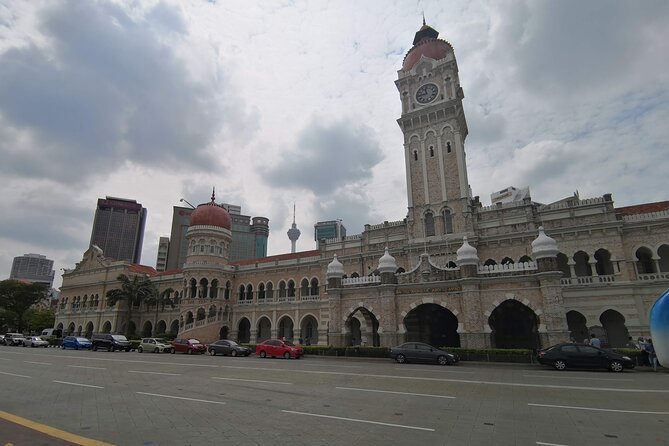
The meeting point is Nu Sentral, at Kuala Lumpur Sentral, a practical starting place with public transport nearby. From there, you head into Little India Brickfields for about 20 minutes.
Brickfields is known for its Indian community and religious sites. The stop combines a few food bites with a look at older places of worship and the area’s brickmaking past. You should expect a short introduction rather than a long architectural visit, since admission is free and the listed time is brief.
This opening works well for first-time visitors because it gets you eating quickly and gives you a sense of Kuala Lumpur’s Indian influence before the route moves elsewhere. If you arrive hungry, the snack tasting will be welcome. If you want a full meal at every stop, you may find the portions less predictable, since the emphasis is on sampling.
The guide’s relationship with food vendors is useful here. You can expect help choosing or ordering items instead of trying to decode every menu alone. That matters when you want to try local food but are unsure what a dish contains or how much to order.
Chow Kit shows an older side of daily KL
The route then reaches Chow Kit, an early development area of Kuala Lumpur that remains an active part of the city. The focus is the market, where you can see ordinary trade and local shopping rather than a site built mainly for sightseeing.
Chow Kit adds an important contrast to the more polished areas near the city center. Markets reveal how people buy food, meet vendors, and manage daily routines. The stop is especially useful if your own KL plans are focused only on towers, shopping malls, and major attractions.
There is no exact time given for this part of the route, so your visit may depend on the group’s pace and the guide’s choices. That flexibility can be an advantage. Charles can spend more time on questions or food if the group is interested, but it also means you should not expect a tightly timed schedule.
Kampung Baru traces Malay village life
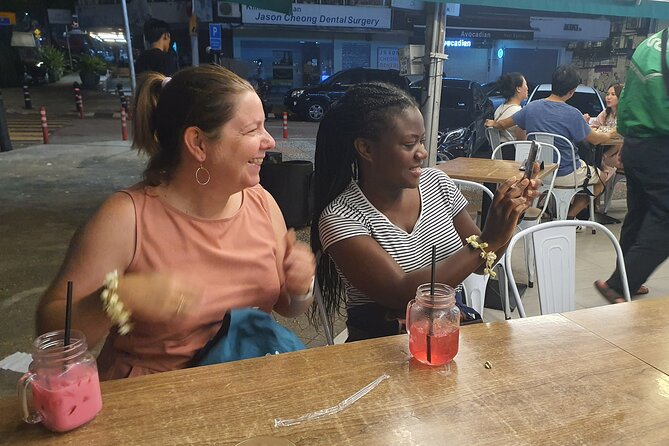
Kampung Baru is one of the most distinctive stops. It is described as the first Malay settlement in Kuala Lumpur, and the walk looks at how local people lived in an older village setting.
This is where the tour moves beyond food tasting. You see a residential area and hear about Malay life in an older settlement, with the modern city close by. The contrast is part of the appeal. Kuala Lumpur can feel like a city of high-rises and highways, yet Kampung Baru offers a look at a more traditional neighborhood pattern.
The stop lasts about 30 minutes, long enough for a useful introduction without turning into a lengthy residential walk. I would pay close attention here, since the social history may be more valuable than any single photo. Ask Charles how the settlement developed and how it relates to the city around it.
The food samples may also connect with Malay cooking. Past food examples associated with this experience include nasi lemak, jackfruit, and banana roti, though the exact selection can vary. Nasi lemak is a natural fit for learning about Malaysian food, while fruit and roti give you different textures and flavors without requiring a full restaurant meal.
More Walking Tours in Kuala Lumpur
- Kuala Lumpur Local Street Food Private Walking Tour by Night
★ 4.5 · 224 reviews - Kuala Lumpur: Nightlife Walking Tour with Local Guide
★ 5.0 · 33 reviews - Half Day Cultural And Heritage Walking Tour in Kuala Lumpur
★ 5.0 · 28 reviews - Kuala Lumpur InfoFun Walking Tour Experience
★ 5.0 · 24 reviews
Masjid Jamek and the River of Life connect old KL
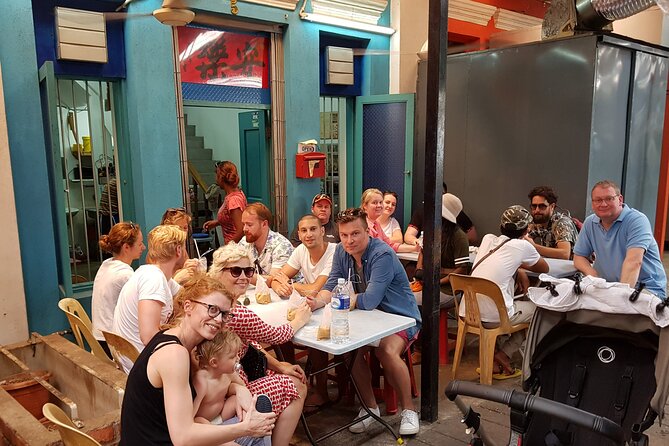
After Kampung Baru, the route heads toward the old Kuala Lumpur heritage area. You see Masjid Jamek, the River of Life project, Merdeka Square, and older buildings before continuing toward Central Market.
This stretch helps explain the city’s physical beginnings. Rivers, mosques, administrative buildings, and public squares all point to the early growth of Kuala Lumpur. The River of Life project adds a modern public-space layer to that older setting.
Merdeka Square is one of the city’s key civic places, and it gives you a better sense of Kuala Lumpur’s national story than a quick photograph from a vehicle would. The route is a stroll rather than a formal guided building tour, so the guide’s explanations will shape how much detail you receive.
Masjid Jamek is an important visual stop, but visitors should be respectful around religious sites. The provided details do not promise entry, so plan on seeing and discussing the site from the walking route rather than assuming an interior visit.
Central Market adds crafts, art, and local history
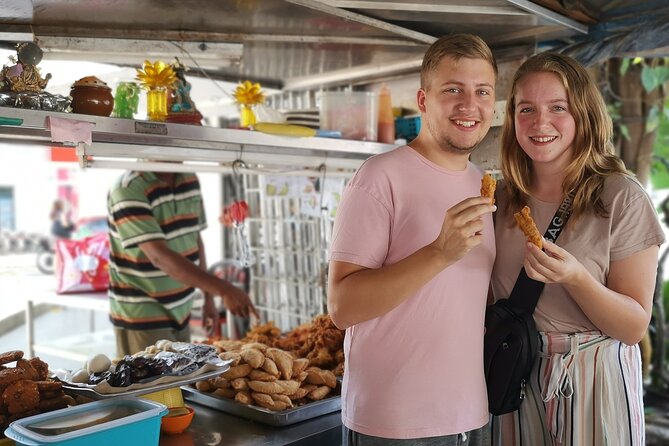
Central Market is a popular stop, but the tour does not treat it as only a souvenir market. You stroll through the main tourist market and then look for a smaller alley connected with painters and Malaysian history.
That side passage is a useful detail. Central Market can be easy to skim, especially if you are surrounded by stalls selling crafts and gifts. A guide can point you toward the artistic and historical corners that are less obvious on a quick self-guided visit.
The listed time for the formal Central Market stop is only five minutes, although the route description also places it near the old heritage walk. This suggests that the stop may be brief or folded into a longer downtown section. If you want time to shop, tell Charles early. The tour’s purpose is walking, tasting, and explaining the city, not giving you a long independent shopping session.
Petaling Street finishes with food, murals, and change
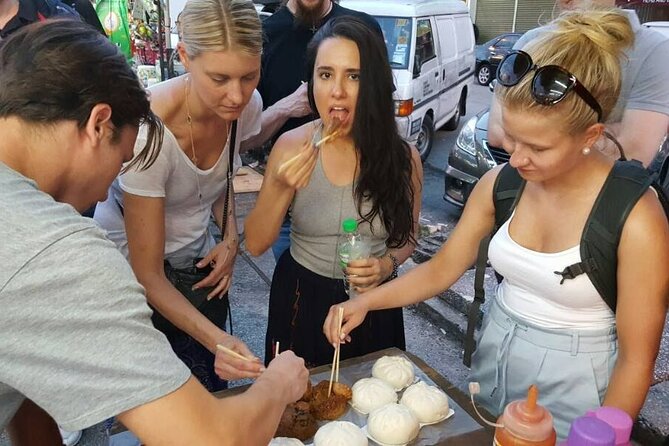
The final major stop is Petaling Street Market, the heart of Kuala Lumpur’s Chinatown. The route passes through the market, often nicknamed the fake market because of its imitation goods, then continues toward old lanes that have changed uses.
This section has plenty of visual variety. You may see red-light lanes that have been turned into cafés and bars, along with back alleys decorated with street art and murals. The point is not to present Chinatown as frozen in the past. It shows a neighborhood adapting while keeping older traces visible.
The walk through Petaling Street is listed at about 10 minutes, but the wider Chinatown section may take longer depending on the route. Again, ask questions as you go. Charles can help explain the difference between the market’s tourist-facing side and the older commercial streets nearby.
Ending at Petaling Street is practical. You can continue eating, browse the market, visit nearby sights, or make your own way elsewhere in central KL. Since alcohol is not included, budget separately if you want a drink at one of the cafés or bars along the route.
What the food component is really like
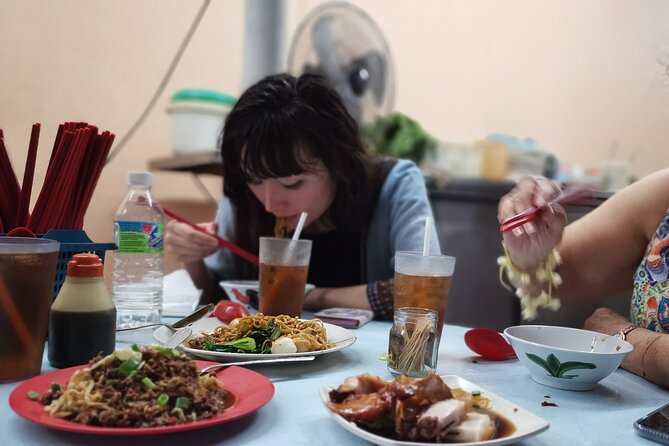
This is a tasting walk, not a restaurant crawl with a fixed menu. Included snacks may feature nasi lemak, jackfruit, Chinese noodles, banana roti, and other Malaysian bites. The exact food can change, so I would treat the menu as part of the day’s local conditions rather than a guarantee.
That flexibility is useful because Kuala Lumpur’s food culture is broad. Indian, Malay, and Chinese influences appear across the route, and you get to compare them in the neighborhoods where those communities have long been present.
The guide may order for the group or offer several choices. That is particularly helpful for first-time visitors who are not sure how to approach unfamiliar stalls. It also lets you ask about ingredients, origins, and customs as you eat.
Do not book this expecting a long, seated dinner. You will walk a lot, snack along the way, and may finish still interested in a full meal. The pace is described as comfortable, but the route includes markets, streets, and several districts, so comfortable does not mean effortless.
Price, group size, and practical value
At $75 per person, the tour is not the cheapest way to see Kuala Lumpur. The value rests in the combination of a guide, food samples, train tickets, neighborhood access, and a route that would take more planning to reproduce alone.
The maximum group size of 12 is important. A very large group would make market ordering and street-side explanations harder. With fewer people, you have a better chance to ask Charles about dishes, religious sites, local communities, and the city’s development.
The one-to-five-hour duration needs attention. That is a wide range, and the actual pace may depend on food stops, transport, questions, weather, and whether the group chooses a longer route. If you have a strict appointment afterward, leave plenty of spare time.
You should also wear comfortable shoes and expect outdoor walking. Good weather is required. If poor weather cancels the experience, you can be offered another date or a full refund.
The start at Nu Sentral is easy to reach by public transport. The finish at Petaling Street means you do not return to the starting point, so plan your next stop from Chinatown. Confirmation normally arrives at booking, though bookings made within eight hours of departure are confirmed as soon as possible, subject to availability.
Who should book this walk
I would choose this experience if you want a first look at Kuala Lumpur that combines food with local context. It suits people who enjoy markets, short tastings, city history, street art, and neighborhood walks more than formal museum tours.
It also works well for visitors who have limited time and want several districts in one outing. The train tickets remove some transport hassle, while the route gives you a useful map of the city’s central areas.
Families and most people able to walk between stops can take part, according to the supplied participation details. The main question is not fitness level alone. It is whether you enjoy moving through busy public areas, sampling food in small portions, and accepting a schedule that can change.
I would be less likely to book it if I wanted a fixed restaurant menu, long time at each landmark, or a tightly controlled timetable. I would also check the food plan directly if you have dietary restrictions, since the available details do not specify vegetarian, halal, allergy, or other menu arrangements.
Should you book the Kuala Lumpur Walk, Eat & See Tour?
Book it if you want Kuala Lumpur explained through its neighborhoods rather than reduced to a list of famous sights. The strongest reasons are Charles’s personal approach, the small group, the three-community route, and the chance to try foods such as nasi lemak, Chinese noodles, jackfruit, and banana roti while learning where they fit.
Skip it if you want a quiet sightseeing tour with little walking or a guaranteed multi-course meal. For everyone else, $75 is reasonable when you value a local guide, included snacks, train tickets, and a carefully linked route from Brickfields to Chinatown.
Free cancellation is available up to 24 hours before the start time. Inside that window, changes and refunds are not accepted, so check your plans before the final day.
FAQ
Where does the Kuala Lumpur walk begin?
The tour begins at Nu Sentral201 on Jalan Tun Sambanthan, in Kuala Lumpur Sentral, Brickfields.
Where does the tour finish?
The tour ends at Petaling Street Market on Jalan Petaling in Kuala Lumpur’s City Centre.
How long does the experience last?
The approximate duration is listed as one to five hours. The length may vary with the walking pace, food stops, questions, transport, and route choices.
Are food and transportation included?
Snacks and train tickets are included. Alcoholic beverages are not included.
How many people can join the tour?
The maximum group size is 12 people.
What happens if the weather is poor?
The experience requires good weather. If it is canceled because of poor weather, you can be offered another date or a full refund.
Just added around Kuala Lumpur
- Walk & Discover KL’s Architectural and Heritage Gems★ 5.0 · 7 reviews
- Private Transfer: Kuala Lumpur International Airport to or from Hotel★ 4.5 · 14 reviews
- Transit Tour Private Tour (Ex Port Klang Cruise Centre/KLIA 1 &2)★ 5.0 · 10 reviews
- Private Kuala Lumpur Shore Excursions★ 4.5 · 22 reviews
- Kuala Lumpur City & Batu Caves Temple Private Tour★ 4.5 · 3 reviews
- Private Port Klang Cruise to Kuala Lumpur City Tour★ 5.0 · 3 reviews
- Kuala Lumpur International Airport Transfers★ 5.0 · 4 reviews
- Kuala Lumpur International Airport Layover Tour★ 4.0 · 12 reviews
Food & Drink, compared.
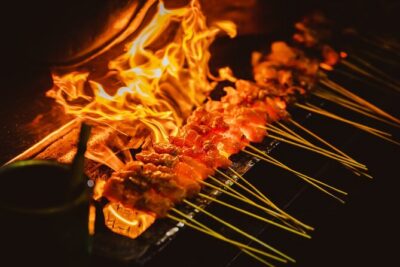
Sambal Streets Kuala Lumpur Food Tour with 15+ Tastings
Read our review →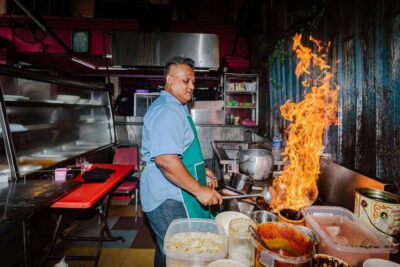
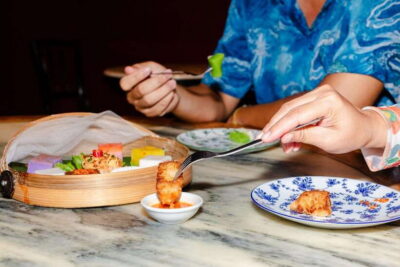
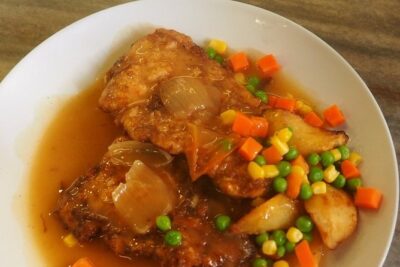
The 10 Tastings of Kuala Lumpur With Locals: Private Street Food Tour
Read our review →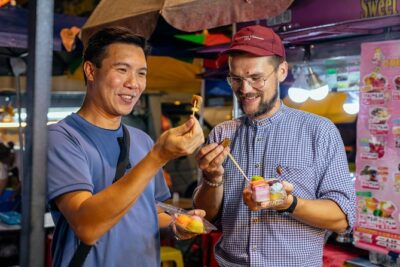
Kuala Lumpur Local Street Food Private Walking Tour by Night
Read our review →
Eat Like a Local: Kuala Lumpur Hawker Center and Street Food Tour by Night
Read our review →
Good Morning Penang Food Tour with 15+ Tastings
Read our review →Browse the lists this tour appears in