
Reviewed · FOOD & DRINK
Kuala Lumpur Food Tour with 12+ Authentic Dishes & Local Secrets
Kuala Lumpur’s best food story is its mix of Malay, Chinese, Indian, and colonial influences, and this tour puts that mix on your plate within three hours. You’ll eat at hawker stalls, bakeries, tea shops, and old cafés while walking through Chinatown and the city centre. The tastings range from nasi lemak and laksa to banana-leaf curries, roti canai, cendol, and a secret dish.
I like the wide range of food and the way the route links dishes to temples, markets, street art, and old shopfronts. I also like the small group size, capped at 12, which should make it easier to watch vendors prepare food and ask questions. The main drawback is the pace: you’ll cover several stops on foot, and the menu can change with weather and stall availability.
Key Points
- More than 12 tastings: Expect Malay, Chinese, Indian, and colonial-era food influences in one compact route.
- A walk through old KL: The tour connects Chinatown, historic temples, Central Market, the River of Life, and Merdeka Square.
- Small-group format: A maximum of 12 people keeps the experience more personal than a large food crawl.
- Real local drinks and sweets: Teh tarik, kopi, iced lemon, cendol, apam balik, custard tart, and fried banana are part of the spread.
- Guides who add context: Azreena and Ferija are named guides associated with the experience, with food stories and city history built into the walk.
- Plan for a full stomach and good shoes: The tour lasts about three hours and includes a fair amount of walking.
Why This KL Food Tour Works
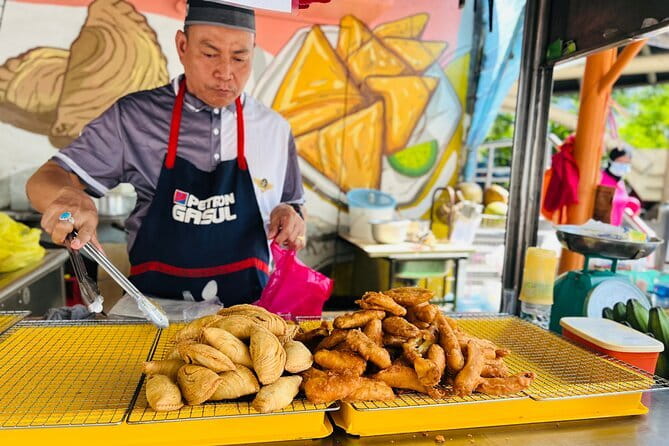
The clever part of this experience is that it treats Kuala Lumpur’s food as a meeting point of cultures, not as a list of unrelated snacks. Malay cooking brings coconut, sambal, fragrant herbs, and rice dishes. Indian traditions add roti, curries, and banana-leaf meals. Chinese influence appears in noodles, buns, tea-shop treats, and wok cooking.
You also get a short lesson in how Kuala Lumpur grew. The route passes Hindu and Chinese temples, old colonial buildings, market streets, painted lanes, and civic landmarks. That gives you something to look at between bites and helps explain why the city’s food is so varied.
The tour is priced at $54 per person. That is not the cheapest way to eat in Kuala Lumpur, where individual hawker dishes can cost far less. Still, you are paying for a local guide, a planned route, more than 12 tastings, drinks, cultural context, and the convenience of trying many foods without having to choose each stall yourself.
For a first visit, I consider that a fair trade. You may spend less by eating alone, but you will need more time and confidence to locate the same range of dishes. Group discounts may also improve the value if you are booking for several people.
More Food Tours in Kuala Lumpur
- Sambal Streets Kuala Lumpur Food Tour with 15+ Tastings
★ 5.0 · 2,438 reviews - Kuala Lumpur: Sambal Street Food Tour with 15+ Tastings
★ 4.9 · 1,657 reviews - The 10 Tastings of Kuala Lumpur With Locals: Private Street Food Tour
★ 5.0 · 249 reviews
Starting With Breakfast in Old Kuala Lumpur
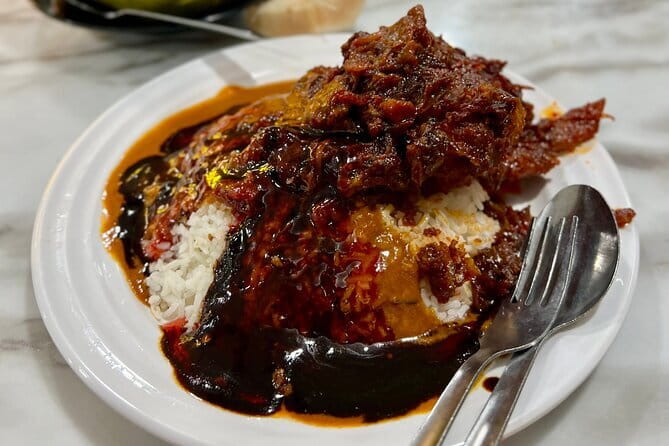
The meeting point is the parking lot at 2 Jalan Balai Polis in the city centre. The first stop takes you toward popular brunch spots in the old town, where the morning begins with steamed kaya bread and sambal eggs, along with nasi lemak.
Nasi lemak is one of Malaysia’s essential dishes. Rice cooked with coconut milk is served with spicy sambal and accompanying items, and the tour uses it as an early introduction to Malay flavours. Kaya bread brings a sweeter note, while sambal eggs add heat and spice.
This first tasting matters because it sets the tone. You are not simply sampling expensive restaurant food. You are starting with the kind of breakfast that fits daily city life. The stop is listed for about 20 minutes, so expect a compact tasting rather than a long café visit.
Lorong Panggung and the Old Shopfronts
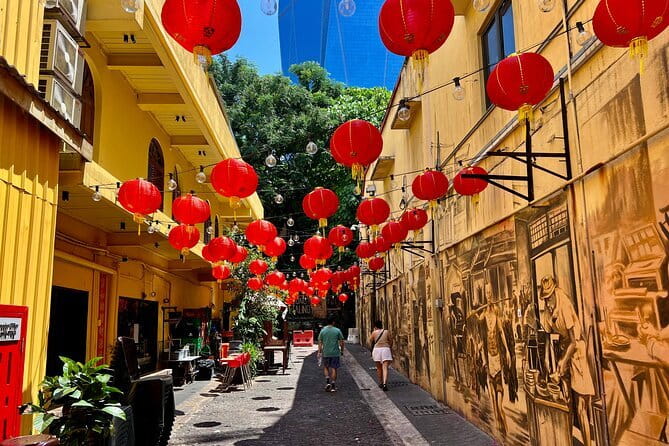
From the breakfast area, the route moves through Lorong Panggung. This lane is known for colorful street art, old shopfronts, and smaller food stops tucked into the historic centre.
The value here is visual as well as culinary. You can see how old commercial buildings and newer creative work sit side by side. The guide also points out the back lanes and tells the story of the area as you walk, giving you a better sense of the city beyond its major towers.
The short stop means you should keep moving rather than expect a detailed art tour. Wear shoes that can handle pavement and walking. The route is not presented as difficult, but the organizers specifically warn that it involves a fair amount of walking.
Chinatown Food Stops on Jalan Petaling
Jalan Petaling brings you into Chinatown, where the tour visits hawker stalls, local bakeries, and traditional tea shops. This is one of the most useful parts of the route for anyone who wants to understand the Chinese side of Kuala Lumpur’s food culture.
The menu here can include curry laksa, Assam fish laksa, Malay pork buns, clam noodles, and bakery items such as custard tarts. Laksa is especially useful for comparison. Curry laksa gives you a creamy, spiced bowl, while Assam fish laksa brings a sharper, sourer profile. Tasting both helps you see how one broad dish category can take very different forms.
You may also try local kopi, or coffee, and traditional tea-shop items. Since stalls and shop availability can change, you should treat the listed menu as a guide rather than a fixed promise. The tour clearly states that the food and route may change due to weather, availability, and other conditions.
Same base, a completely different kind of day:
- Kuala Lumpur: Batu Caves Half-Day Tour with Pick-Up Option
★ 4.5 · 4,288 reviews - Private Half-Day Batu Caves and Cutural Tour in Kuala Lumpur
★ 5.0 · 3,107 reviews - From Kuala Lumpur: Batu Caves Cultural Temple Tour
★ 4.7 · 1,453 reviews - Kuala Lumpur: Petronas Twin Towers Entry E-Ticket
★ 4.6 · 1,229 reviews
Hindu Temple and Southern Indian Flavours
At 163 Jalan Tun H S Lee, the group visits one of Kuala Lumpur’s oldest Hindu temples before trying southern Indian and Malay food. The temple stop adds a cultural layer to the meal and helps explain the role of Indian communities in the city’s food traditions.
The listed menu includes roti canai with dipping curries and a selection of banana-leaf curries. Roti canai is a flaky, pan-cooked flatbread designed for tearing and dipping. One guide-led activity may even give you the chance to try making your own roti, though you should not expect a formal cooking class.
Banana-leaf curries offer another useful contrast. The leaf is part of the presentation, while the meal lets you sample several sauces and accompaniments together. This stop is a good fit if you like trying food with your hands, but you can ask the guide for practical help if you are unfamiliar with the custom.
A Chinese Temple and the City’s Religious Mix
The next stop, at 168 Jalan Tun H S Lee, is an historic Chinese temple. The visit is brief, around 20 minutes, but it gives the walking route a clear rhythm: taste, walk, see a place of worship, then taste again.
I like this structure because the food does not feel separated from the city. Hindu and Chinese religious sites appear within the same compact area, alongside Malay dishes, Chinese-style buns and noodles, Indian breads, and colonial-era buildings.
You should remember that this is a food tour with sightseeing, not a dedicated temple tour. The guide provides context, but the focus remains on the combination of local stories and food stops.
Central Market and Old-KL Shopping Streets
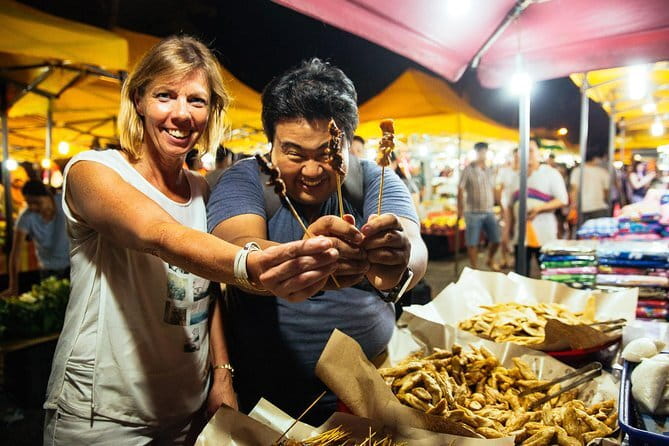
The route continues to Central Market at 50050. This is a major heritage stop in central Kuala Lumpur and gives you a chance to see one of the city’s best-known market areas.
Central Market helps connect the food experience with local crafts and commercial life. The tour does not promise a long shopping session, so think of this as a short orientation stop rather than a chance to browse every stall.
At this point, the variety of tastings becomes especially useful. You may have already tried savory dishes, noodles, bread, and curries. The remaining foods add sweets and drinks, including fried banana, curry puff pastry, bamboo cakes, apam balik with peanuts, iced cendol, and refreshing iced lemon.
Apam balik is a folded peanut pancake with a sweet filling. Cendol gives you a cool dessert with shaved ice and syrup. These dishes help prevent the tour from becoming an endless succession of spicy meals.
The River of Life and Colonial Kuala Lumpur
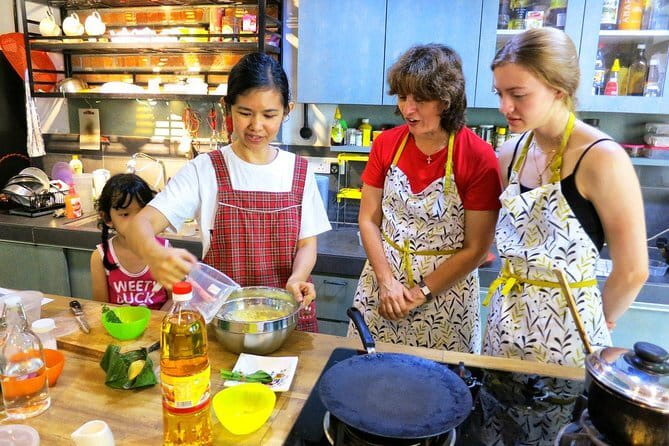
At Jalan Benteng, the route reaches the River of Life and the historic centre. This section focuses more on the city’s colonial-era streets and public landmarks than on eating.
The walk helps explain how Kuala Lumpur developed from a trading and mining settlement into a major capital. The tour description refers to Dutch, Portuguese, and British influences, alongside the stronger Malay, Chinese, and Indian food traditions. Those outside influences are part of the reason the city’s food does not fit neatly into one national style.
The River of Life stop also gives you a change of pace. After several tastings, you can listen, look around, and let the meal settle. Since the itinerary is compact, you should not expect long guided lectures or extended time at every landmark.
Finishing Near Merdeka Square
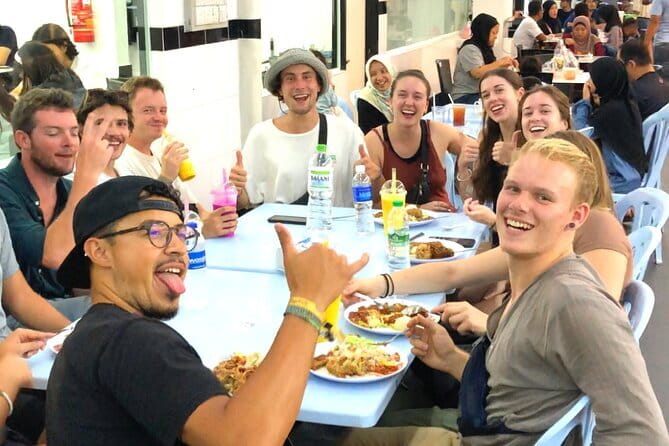
The final section runs along Jalan Tun Perak and finishes near Merdeka Square and the Sultan Abdul Mosque, a short distance from the meeting point. The tour ends back at the original meeting point, which makes the logistics simple.
The final food and drink selection can include teh tarik, the frothy pulled tea for which Malaysia is well known, local kopi, and iced lemon. Dessert items such as custard tart, cendol, fried banana, and bamboo cakes may also appear along the way.
A secret dish is included, but its identity is not given in advance. That is a small but enjoyable reason to leave room in your appetite. Do not arrive after a large meal. Even small portions add up when the tour includes more than 12 tastings.
What the Guides Add
The food matters, but the guide can make or break a walking food tour. Azreena is named as one host, and Ferija is another guide connected with the experience. The strongest part of the guiding style is the link between food and place.
You can expect explanations about how recipes changed to suit local ingredients, how different communities shaped Kuala Lumpur’s cooking, and why particular dishes appear in certain parts of the city. The food stories are not just labels. They help you notice spice blends, cooking methods, and the mix of traditions on the plate.
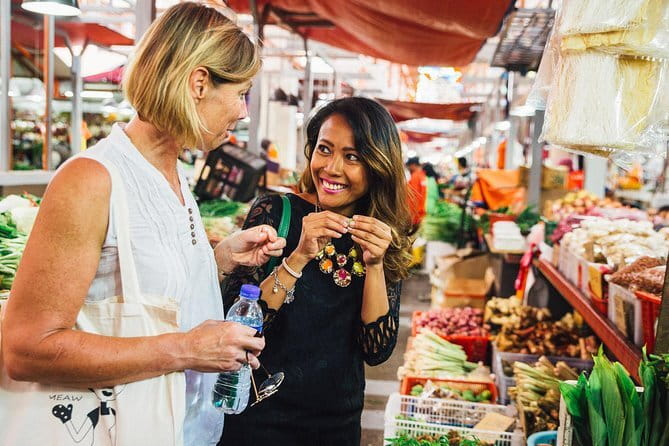
The group limit of 12 is useful here. You are more likely to hear the guide, watch a vendor prepare food, and ask about unfamiliar ingredients than you would in a much larger group. The experience is still shared with other people, so private attention is not guaranteed.
Food Changes and Dietary Planning
The menu is broad, but it is not fixed. Locations may be unavailable, weather can alter the route, and dishes may be replaced. That is normal for a walking food tour built around operating stalls and small shops.
If you have dietary requirements, contact the provider before the tour. The organizers ask for advance notice so they can try to accommodate you. Do not assume every listed dish can be altered at the last minute.
The menu includes sambal, curries, seafood, clams, pork buns, and a variety of breads and sweets. If you avoid spice, seafood, pork, dairy, gluten, or certain meats, give clear details before booking. The tour may be able to adapt, but the information provided does not promise that every restriction can be handled.
Timing, Group Size, and Practical Value
The experience lasts about three hours and has a maximum of 12 people. Each listed stop is planned for roughly 20 minutes, although actual timing can shift depending on food preparation, walking conditions, and the group.
Because the tour starts and ends at the same central meeting point, you do not need hotel pickup or drop-off. You are responsible for reaching the parking lot at 2 Jalan Balai Polis. The area is near public transportation, which makes it easier to reach without arranging a private car.
Comfortable shoes are important. You will walk through lanes, streets, market areas, temple surroundings, and civic landmarks. Kuala Lumpur weather can also affect the experience, so carry what you normally need for a warm outdoor walk.
The tour is generally suited to most people who can participate in a walking route. It is less suited to anyone who wants a seated meal, a slow pace, or a tightly fixed menu.
Who Should Book This Tour
I would choose this experience if you are visiting Kuala Lumpur for the first time and want a fast introduction to local food. It is also useful early in a trip because you can learn which dishes and drinks you want to seek out again later.
Food lovers will appreciate the range. You can compare two kinds of laksa, try roti with curry, sample banana-leaf dishes, and finish with sweets and drinks. History-minded visitors will like the temples, market, old lanes, and River of Life stops.
Families and mixed groups may also find the format helpful because there is enough variety to suit different tastes. The small group limit makes it more manageable than a large organized food crawl.
I would hesitate if your priority is a single long meal, a cooking lesson, or a tour with no menu changes. I would also think twice if walking in warm or wet conditions is difficult for you.
Cancellation and Weather Details
You can cancel free of charge up to 24 hours before the start time for a full refund. Cancellations made within 24 hours are not refunded, and changes inside that period are not accepted.
The experience requires good weather. If poor weather causes cancellation, you will be offered another date or a full refund. A minimum number of participants is also required, and if that minimum is not reached, you will be offered another option or a full refund.
Confirmation is sent within 48 hours of booking, subject to availability. Since the tour is booked on average 26 days ahead, booking early is sensible if your Kuala Lumpur dates are fixed.
Should You Book It?
Book this tour if you want a well-packed introduction to Kuala Lumpur’s food cultures, especially Malay, Chinese, and Indian cooking. The strongest reasons are the range of dishes, the small group, the old-city route, and the way the guide connects food with temples and streets.
At $54, it costs more than eating at one hawker stall, but it buys variety, planning, guiding, and cultural context. Bring an appetite, wear comfortable shoes, and contact the provider early about dietary needs. If you prefer a relaxed restaurant meal or a fixed menu, choose something else. If you want to taste your way through old KL in one morning or afternoon, this is a practical choice.
FAQ
How long does the Kuala Lumpur food tour last?
The tour lasts approximately three hours.
How many dishes are included?
More than 12 tastings are included, along with drinks and a secret dish.
What foods might be served?
The menu can include nasi lemak, kaya bread with sambal eggs, curry laksa, Assam fish laksa, roti canai with curries, exotic fruits, Malay pork buns, banana-leaf curries, clam noodles, fried banana, curry puff pastry, bamboo cakes, apam balik, custard tart, cendol, teh tarik, local kopi, iced lemon, and a secret dish.
Where does the tour start?
It starts at the parking lot at 2 Jalan Balai Polis, City Centre, Kuala Lumpur.
Where does the tour finish?
The experience ends back at the meeting point.
Is hotel pickup included?
No. Hotel pickup and drop-off are not included.
How large is the group?
The tour has a maximum of 12 participants.
Is there much walking?
Yes. The experience involves a fair amount of walking, so comfortable shoes are recommended.
Can dietary requirements be accommodated?
You should contact the provider in advance with your dietary requirements so they can try to accommodate them.
Can the food and route change?
Yes. The itinerary and menu may change because of location availability, weather, and other circumstances.
What is the cancellation policy?
You can cancel at least 24 hours before the start time for a full refund. Cancellations within 24 hours are not refunded.
What happens if bad weather cancels the tour?
You will be offered a different date or a full refund if poor weather causes cancellation.
Just added around Kuala Lumpur
- Walk & Discover KL’s Architectural and Heritage Gems★ 5.0 · 7 reviews
- Transit Tour Private Tour (Ex Port Klang Cruise Centre/KLIA 1 &2)★ 5.0 · 10 reviews
- Private Transfer: Kuala Lumpur International Airport to or from Hotel★ 4.5 · 14 reviews
- Private Port Klang Cruise to Kuala Lumpur City Tour★ 5.0 · 3 reviews
- Private Kuala Lumpur Shore Excursions★ 4.5 · 22 reviews
- Kuala Lumpur City & Batu Caves Temple Private Tour★ 4.5 · 3 reviews
- Kuala Lumpur International Airport Transfers★ 5.0 · 4 reviews
- Kuala Lumpur International Airport Layover Tour★ 4.0 · 12 reviews
Food & Drink, compared.
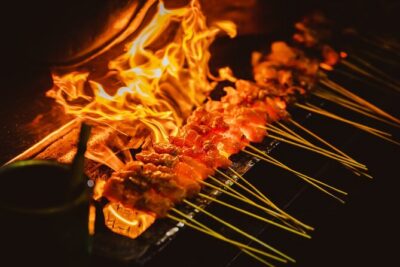
Sambal Streets Kuala Lumpur Food Tour with 15+ Tastings
Read our review →
The 10 Tastings of Kuala Lumpur With Locals: Private Street Food Tour
Read our review →
Kuala Lumpur Local Street Food Private Walking Tour by Night
Read our review →
Eat Like a Local: Kuala Lumpur Hawker Center and Street Food Tour by Night
Read our review →
Good Morning Penang Food Tour with 15+ Tastings
Read our review →Browse the lists this tour appears in