
Reviewed · CULTURAL VILLAGE TOURS
Mari Mari Cultural Village
Mari Mari Cultural Village gives you a quick, hands-on look at several indigenous cultures of Sabah. You move between traditional homes, try old skills, taste local food, and watch a live dance show. The interactive demonstrations make this more than a walk past display huts.
I like the chance to learn how to start a fire with natural tools, then try activities such as blow-pipe shooting and the Murut bamboo dance. I also like that lunch, transport, a local guide, and live entertainment are included in the three-hour visit.
The main drawback is the pickup service. One guest was forgotten for a morning departure and had to contact the tour company before joining the afternoon visit, so confirm your pickup time carefully. Outskirt hotels also cost an extra MYR30 per person.
Key points at a glance
- Traditional homes with working demonstrations: Each tribal house presents different customs, tools, food, and stories.
- Hands-on activities: Try blow-pipe shooting, fire-making, rice-wine tasting, and the springy Lansaran floor.
- Murut bamboo dance: You can watch the Magunatip performance and even test your timing by stepping between bamboo poles.
- Buffet lunch included: The meal gives you a practical taste of Sabah’s traditional food culture.
- Small maximum group: The tour accepts no more than 15 people, which should make demonstrations easier to follow.
- City pickup included: Hotel transfers are offered around Kota Kinabalu, with an extra charge for outlying hotels.
Leaving Kota Kinabalu for the village
The tour begins with pickup outside your Kota Kinabalu accommodation, followed by an air-conditioned ride through long roads lined with greenery beneath wide blue skies. The drive itself is part of the change in mood. You leave the city behind and reach a setting designed to show rural life and indigenous traditions.
The visit lasts about three hours, so this is a manageable half-day activity. You still need enough time in your day for the transfer, but the schedule does not take over your entire Kota Kinabalu visit.
The group limit is 15 people. That matters here because the demonstrations are close-up and often interactive. A large crowd could make a fire-making lesson or bamboo dance harder to see, while a smaller group gives you a better chance to participate.
Pickup is offered from hotels in the Kota Kinabalu city area and the 1 Borneo Shopping Mall area. Hotels outside those zones incur a MYR30 per-person charge. Check the pickup point and time before the morning of the tour, especially because one booking was missed during a morning departure and later rearranged for the afternoon.
More Cultural Village Tours in Kota Kinabalu
- Kota Kinabalu: Mari Mari Cultural Village Tour with Lunch
★ 5.0 · 152 reviews - Mari-Mari Cultural Village Tour Including Lunch
★ 4.5 · 45 reviews - Kota Kinabalu: Mari Mari Village & Bongawan Cruise Package
★ 5.0 · 32 reviews
Meeting the tribal houses
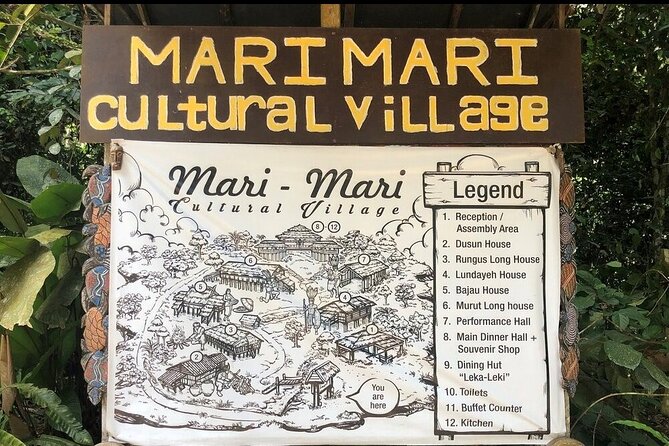
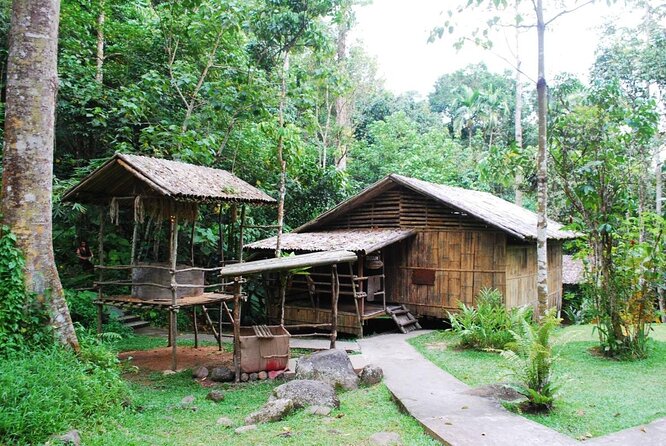
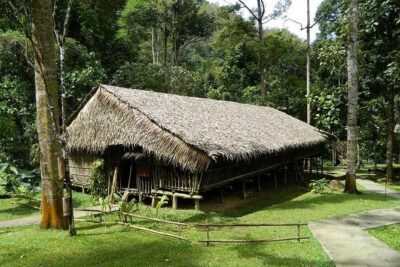
Inside the village, traditional huts are arranged as separate homes representing different tribal cultures. Each house has its own demonstrations, food samples, tools, and customs, so the visit moves at a steady pace rather than focusing on one display.
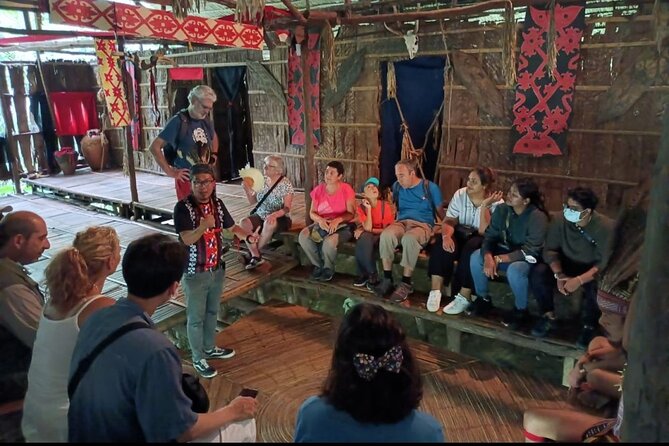
Your local guide helps explain what you are seeing and keeps the group moving from one house to the next. This is useful because the value of the visit comes from context. A hut, a tree-bark vest, or a cooking sample means more when you understand how it fits into daily life and local tradition.
The displays are not just for looking. You can take part in selected activities, which makes this a good choice for families and for anyone who learns better by doing. The exact amount of participation can depend on timing and group flow, but the tour is designed around demonstrations rather than a passive museum visit.
The village presents culture in a compact format. You will not see every part of Sabah’s indigenous life in three hours, and the homes are arranged for visitors, not encountered as ordinary private residences. Still, the format gives you a clear introduction without requiring a long trip into remote areas.
Learning to make fire without a lighter
One of the most memorable demonstrations shows how to start a campfire using natural tools. You see the process up close and get a chance to understand the patience and technique required before modern lighters and matches.
This is a small activity, but it gives the visit practical weight. Instead of hearing only about older customs, you see a basic survival skill in action. It also helps you appreciate how much work once went into preparing heat for cooking and daily life.
Do not expect a wilderness survival course. The fire-making segment is one part of a larger cultural program, not a long technical lesson. Its strength is the direct connection between natural materials, traditional knowledge, and everyday needs.
Trying blow-pipe shooting and the Lansaran
The village adds playful activities to the cultural displays. Blow-pipe shooting gives you a chance to handle a traditional hunting tool in a controlled demonstration setting. It is one of the activities that can make the visit especially appealing to families.
Another unusual feature is the Lansaran, a springy, trampoline-like floor built into one of the tribal houses. You can jump on it for a prize, adding a bit of movement and humor to the tour.
These activities help keep the pace lively, but they are not the main reason to book. You should see them as brief chances to participate rather than full attractions in their own right. The cultural setting and the explanations around them are more important than the games.
Same base, a completely different kind of day:
- 2D1N Mount Kinabalu Climbing
★ 5.0 · 494 reviews - Bongawan River Cruise: Proboscis Monkey & Fireflies Mangrove
★ 4.8 · 437 reviews - Guided Snorkeling Day Trip, Kota Kinabalu, Sabah, Malaysia
★ 5.0 · 282 reviews - Bongawan Wetland: Proboscis Monkey and Fireflies Shared Tour
★ 4.2 · 137 reviews
Seeing how tree bark became warrior clothing
A particularly distinctive demonstration shows how tree bark can be cut and prepared to make traditional warrior vests. It offers a glimpse at the skill behind clothing and protective equipment made from natural materials.
This is the kind of detail that can be easy to miss on a standard cultural show. The process connects local materials with practical design, and it gives you something specific to remember beyond general comments about tribal life.
The demonstration also helps explain why the village works best with a guide. Without context, tree bark might look like a simple craft material. With an explanation, it becomes evidence of resourcefulness and older ways of making useful objects.
Tasting rice wine and traditional snacks
Food is part of the tour from the beginning, not just a final meal. You may sample traditional treats and rice wine as you move through the village, giving you a taste of local customs in small portions.
The rice-wine tasting may not suit every visitor, especially if you avoid alcohol. The supplied details do not state the alcohol content or provide a separate tasting policy, so ask the guide if you need to know exactly what you are being served.
Coffee and tea are included, and the tour ends with a buffet lunch featuring dishes associated with Sabah’s cultural identity. The meal gives you more than a convenient break. Food is one of the clearest ways to understand a place because ingredients, preparation, and serving customs reflect local life.
The description uses the phrase exotic cuisines, but you should not treat that as a promise of unusual or difficult food. The meal is presented as a traditional buffet, and the exact dishes can vary. If you have dietary restrictions, check before booking because no special meal information is provided.
Watching the ethnic dance performance
The live performance is the grand finish to the cultural program. You watch an ethnic dance showcase and can see the rhythms, costumes, and movements that give the traditions a public form.
The Magunatip is a bamboo dance associated with the Murut people. Dancers move between long bamboo poles as they open and close them in time. You may also be invited to try it, which makes the performance more memorable but requires attention and quick feet.
This is likely to be the most polished part of the visit. A staged performance cannot show every detail of ordinary village life, but it can preserve and present dance traditions in a way that is easy for visitors to understand.
The show works well after the more practical demonstrations. You have already handled tools, tasted food, and seen craft methods, then finish with music and movement.
What the $100 price includes
At $100 per person, the tour is not a bare admission ticket. The price includes hotel pickup and drop-off for eligible city-area accommodations, an air-conditioned vehicle, a local guide, live entertainment, lunch, coffee, and tea.
That bundle can make the price reasonable if you want a simple half-day outing from Kota Kinabalu. Organizing transport on your own would take extra time, and the guide is important for understanding the tribal homes and demonstrations.
The value is strongest for first-time visitors who want an introduction to Sabah culture without arranging several separate stops. It is less compelling if you prefer independent exploration, dislike scheduled group activities, or already have extensive cultural experiences planned elsewhere.
Outskirt hotel pickup adds MYR30 per person. Check this before comparing prices because the advertised rate does not cover every accommodation area. The group maximum of 15 also gives the tour a more personal feel than a large coach excursion, though it remains a structured group visit.
Who will enjoy this three-hour experience
I would recommend Mari Mari Cultural Village to you if you want a clear introduction to Sabah’s indigenous cultures and prefer a guided visit with transport included. The combination of demonstrations, food, crafts, and dance gives you several ways to connect with the subject.
It suits families because the activities are visual and hands-on. Blow-pipe shooting, the Lansaran, snacks, and the bamboo dance offer more variety than a tour based only on speeches.
It also suits first-time visitors with limited time in Kota Kinabalu. Three hours is enough to see the main program, eat lunch, and return to the city without giving up an entire day.
You may want to skip it if you are looking for untouched village life or a long, quiet encounter with local communities. Mari Mari is a purpose-built cultural village, and its demonstrations are arranged for visitors. That makes it accessible and efficient, but also more staged than a visit to an ordinary residential village.
Practical details before you book
Confirmation is normally sent at booking. If you book within one day of travel, confirmation is sent as soon as possible and depends on availability.
You must provide the passport name, number, expiry date, and country for every person at booking. Have those details ready to avoid delays.
Most people can participate, and the tour accepts a maximum of 15 people. The provided information does not give detailed accessibility guidance, so contact the provider if you need specific help with walking, steps, or participation in the activities.
The experience is non-refundable and cannot be changed after booking. Do not reserve it until your dates and pickup details are firm.
The tour is provided by TYH Borneo Tours and Travel SDN BHD. The recorded score is 4.7 out of 5 from 11 ratings, with a 100 percent recommendation rate. That is a strong result, but the missed morning pickup is a useful reminder to confirm the practical details rather than relying on the schedule alone.
Should you book Mari Mari Cultural Village?
Book it if you want an easy, well-organized introduction to Sabah culture with hotel transport, lunch, live dance, and hands-on demonstrations in one half-day outing. The fire-making lesson, tree-bark clothing demonstration, Murut bamboo dance, and traditional food give the visit plenty of specific details to remember.
Think twice if you want an unstructured or fully independent experience. The village is designed for visitors, and the program follows a set route. Also confirm your pickup carefully, budget MYR30 extra for an outskirt hotel, and remember that the booking cannot be refunded or changed.
For a first visit to Kota Kinabalu, I find the balance appealing: practical transport, a small group, plenty of activities, and a useful introduction to cultures you might otherwise struggle to encounter during a short stay.
FAQ
How long does the Mari Mari Cultural Village tour last?
The experience lasts approximately three hours, not including any additional transfer time that may be needed from your accommodation.
Is hotel pickup included?
Pickup and drop-off are offered for eligible hotels in the Kota Kinabalu city area and the 1 Borneo Shopping Mall area.
Is there an extra charge for outskirt hotel pickup?
Yes. Hotels outside the Kota Kinabalu city area and 1 Borneo Shopping Mall area incur an additional charge of MYR30 per person.
What is included in the price?
The price includes a meal and lunch, a local guide, live entertainment, an air-conditioned vehicle, and coffee or tea.
What activities can I try at the village?
The program includes blow-pipe shooting, fire-making with natural tools, rice-wine tasting, traditional snack sampling, and the chance to jump on the Lansaran. You can also try the Murut Magunatip bamboo dance.
Is lunch included?
Yes. A buffet lunch is included, with food connected to Sabah’s cultural identity.
How many people can join the tour?
The maximum group size is 15 people.
What information is needed when booking?
You must provide the passport name, passport number, expiry date, and country for every participant.
Just added around Kota Kinabalu
- Sabah: White Water Rafting Grade 3-4 at Padas River★ 4.7 · 3 reviews
- Sunset E-Foil Experience in Tanjung Aru Beach★ 5.0 · 10 reviews
- Island Hopping ( Manukan & Sapi Island ) From Kota Kinabalu★ 4.5 · 9 reviews
- Monsopiad Cultural Village Visit with Private Transfer from Kota Kinabalu★ 4.5 · 5 reviews
- Join us for a RAID Try Dive in Kota Kinabalu★ 5.0 · 27 reviews
- Mangrove Kayaking Experience in Borneo★ 5.0 · 8 reviews
- Mount Kinabalu Climbing 3 Days 2 Nights★ 5.0 · 7 reviews
- Padas River White Water Rafting from Kota Kinabalu (Grade 3 & 4)★ 3.5 · 4 reviews
Cultural Village Tours, compared.

Private Tour Kampung Gipsi Sabah Cultural Village Kota Kinabalu
Read our review →
Sabah: Mari-Mari Cultural Village Visit + Lunch + transfer
Read our review →
Kinabalu Park With Rumah Terbalik & Desa Cow Farm
Read our review →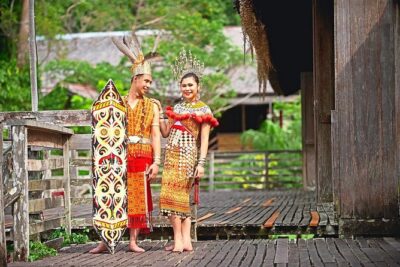
Browse the lists this tour appears in