
Reviewed · CULTURAL VILLAGE TOURS
Kota Kinabalu: Mari Mari Cultural Village Tour with Lunch
Mari Mari Cultural Village brings five Sabah tribal traditions into one rainforest setting, so you can compare homes, food, crafts, games, and customs in a single half-day. I like the hands-on activities, especially fire-making and blowpipe shooting, and I like that the visit ends with a meal rather than stopping at a stage show. The main thing to consider is that this is a carefully arranged cultural presentation, not a visit to remote villages where daily life unfolds around you.
I also like the attention from guides such as Eddie and Timmy, who explain Sabah’s past during the drive as well as at the village. Bring insect repellent, though, since the forest setting can mean mosquitoes, and allow some flexibility for the drive, which is listed as about 20 minutes but can take longer.
Key points at a glance
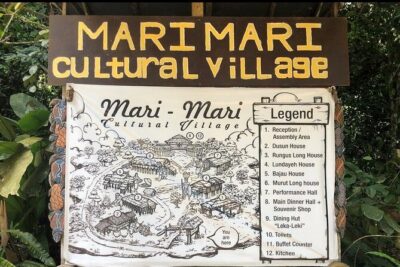
- Five tribal traditions in one stop: Visit the Bajau, Dusun, Rungus, Murut, and other traditional homes represented at the village.
- Hands-on demonstrations: Try Congkak, fire-making, blowpipe shooting, tree bark craft, bamboo cooking, and the Murut Lansaran platform.
- Food is part of the lesson: Sample local snacks during the walk, then sit down to a traditional buffet meal.
- A lively finish: The cultural performance includes traditional dances and gives you a chance to join in.
- Useful guide support: English and Chinese tours are available, with Eddie and Timmy especially noted for clear explanations and friendly help.
- Good half-day value: At $67 per person, transport, admission, guiding, activities, entertainment, and lunch are included.
Why this village makes Sabah easier to understand
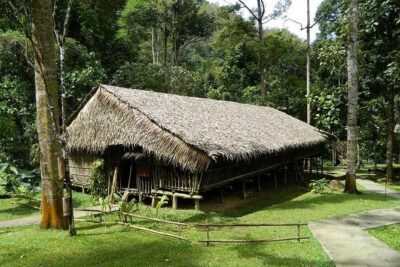
Sabah is home to many ethnic communities, and it can be hard to grasp the differences during a short Kota Kinabalu stay. Mari Mari Cultural Village gives you a structured way to see how housing, food, clothing, games, tools, and ceremonies vary from one group to another.
That structure is useful. You are not simply walking through a recreated village and taking photographs. At each house, a guide connects the objects and demonstrations to a particular way of life. The result is a busy but easy-to-follow introduction to five Sabah groups.
You should also keep your expectations clear. The village is designed for cultural education and performance. The demonstrations are arranged for visitors, and the dances take place on a schedule. That does not make them worthless, but it means you are seeing a presentation of traditions rather than observing an ordinary village day.
I think this format works especially well if you have only a few days in Kota Kinabalu. It gives you useful background before other Sabah experiences, and it helps you recognize that local customs are not all the same.
More Cultural Village Tours in Kota Kinabalu
- Mari-Mari Cultural Village Tour Including Lunch
★ 4.5 · 45 reviews - Kota Kinabalu: Mari Mari Village & Bongawan Cruise Package
★ 5.0 · 32 reviews - Private Tour Kampung Gipsi Sabah Cultural Village Kota Kinabalu
★ 5.0 · 32 reviews
The short drive from Kota Kinabalu
Pickup is available at Burger King at The Shore or at Citadines Waterfront Kota Kinabalu, which are in the same building beside the Orange convenience store. The guide contacts you to arrange the meeting point, so keep your phone available and arrive ready rather than waiting elsewhere in the complex.
The drive is listed at around 20 minutes, although some tour descriptions and visitor accounts put the journey closer to 35 minutes. Traffic and the exact pickup point can affect the timing. The trip is not a major burden, but it matters because the five-hour schedule includes transport, the village visit, and lunch.
This part of the tour can add useful context. Guides such as Eddie and Timmy are praised for explaining Sabah, its communities, and its past on the way out. That is a good use of travel time, especially if you prefer a guide who provides background instead of saving every fact for the first house.
English and Chinese guiding is available. If you have food allergies or dietary needs, mention them early. One guide specifically asked about restrictions and pointed out suitable dishes for a vegan visitor, while another visitor found the lunch labels helpful when eating gluten-free.
The Bajau House and the small details of daily life
The first stops introduce the Bajau house and some familiar local pastimes. Congkak, a traditional counting game played with a board and small pieces, gives you something to do rather than simply something to look at.
You also see Kuih Jala being prepared. This local snack is part of the food sampling along the route, and the cooking demonstration helps explain how a simple item fits into everyday food culture. These small moments are easy to overlook, but I find them more useful than a long list of dates and names.
The house visit is also a chance to ask questions. A good guide can explain what you are seeing, why it matters, and how it differs from the next community. Guides Eddie and Timmy receive especially strong praise for answering questions and keeping the group involved.
Bamboo cooking at the Dusun House
At the Dusun House, you see bamboo cooking over an open fire. The method is one of the clearest demonstrations on the route because it connects materials, cooking, heat, and food in one scene.
You can watch the preparation and learn how bamboo is used in this older cooking practice. It is also a good lead-in to lunch, since food here is not treated as a separate add-on. The tour uses snacks, demonstrations, explanations, and the final meal to show how food fits into local culture.
The open-air setting can be hot and humid, and rain may change the feel of the visit. The tour continues in wet weather, and guides have been praised for keeping the mood positive when rain arrives. Still, light clothing, comfortable shoes, and insect repellent are sensible choices.
Same base, a completely different kind of day:
- 2D1N Mount Kinabalu Climbing
★ 5.0 · 494 reviews - Bongawan River Cruise: Proboscis Monkey & Fireflies Mangrove
★ 4.8 · 437 reviews - Guided Snorkeling Day Trip, Kota Kinabalu, Sabah, Malaysia
★ 5.0 · 282 reviews - Bongawan Wetland: Proboscis Monkey and Fireflies Shared Tour
★ 4.2 · 137 reviews
Crafts and bark textiles at the Rungus House
The Rungus House focuses on traditional crafts and handmade textiles made from tree bark. This stop slows the tour down after the more active demonstrations and gives you a look at skill rather than spectacle.
The bark textiles are particularly useful for understanding how local communities made use of nearby materials. You can examine the craft process and ask about the work involved instead of treating the finished items as simple souvenirs.
I like this part because it shows the practical side of culture. Housing and clothing are not just decorative themes. They reflect what people could make, grow, gather, and adapt from their surroundings.
Murut traditions, Lansaran, and blowpipe practice
The Murut House is one of the most playful stops. You are introduced to the Lansaran, a springy platform used in Murut celebrations. It has a trampoline-like feel and gives the visit a physical element that children and adults can enjoy.
The stop also includes Hena drawing and a blowpipe demonstration. You can try blowpipe shooting, a traditional hunting skill, under guidance. It is a memorable activity because you are not only hearing about an old tool. You are testing your own aim and gaining a better sense of the control it requires.
Fire-making follows a similar pattern. Watching a demonstration is interesting, but the chance to try the technique gives you a stronger connection to the skill. Do not expect a wilderness survival course. These are short, supervised cultural activities, but they are among the most engaging parts of the visit.
The dance performance and the chance to join in
The cultural performance provides the tour’s big finish. Traditional clothing, music, and dance turn the information from the earlier houses into a public celebration.
You can watch from the audience, then join the dancers if you feel willing. The invitation is part of the fun, but you do not have to perform. I would treat it as a friendly group activity rather than a polished theatre production.
The performance is also one reason to allow the full five hours. If you rush away after the houses, you miss the part that ties the visit together. Some people will find the staged nature obvious, and that is fair. Still, the show gives you a clear view of movement, dress, and communal celebration in a way that a static display cannot.
Lunch with Sabah flavors
Lunch lasts about 30 minutes and is included in the price. Expect a traditional meal served as a buffet, with a selection of Malaysian and local dishes rather than one single plate.
The meal adds real value. It lets you taste foods that have already appeared in the demonstrations, and guides may explain the dishes as you eat. Several guests describe the food as a highlight, with one visitor calling the buffet varied and another praising the flavor and clear ingredient labels.
If you have dietary restrictions, ask before serving yourself. The available information confirms that guides have helped vegan and gluten-free diners, but it does not promise a separate menu for every requirement. Tell the operator or guide as soon as possible rather than relying on guesswork at the buffet.
Lunch is not a long restaurant stop. Thirty minutes is enough for a meal, but not for a leisurely afternoon of sitting around. That keeps the tour moving and leaves time for the return drive.
What the $67 price really covers
At $67 per person, this is not simply an admission ticket. The price includes transport from the listed Kota Kinabalu pickup points, entrance, a local guide, visits to five traditional houses, demonstrations, hands-on activities, the dance performance, and lunch.
That package makes the price reasonable for visitors who want a guided introduction without arranging several separate pieces. You also get the value of explanation. Entering the village alone would not necessarily tell you why Congkak, bark textiles, bamboo cooking, or Lansaran matter.
The value is strongest for first-time visitors to Sabah, families, solo travelers, and anyone who likes to ask questions. One useful feature is that solo bookings are accepted, which can be important if you are traveling alone and do not want to build your day around finding a larger group.
The price is less convincing if you want an unstructured, off-the-beaten-path encounter with village life. This is a planned attraction with fixed demonstrations and a scheduled show. You are paying for access, convenience, interpretation, and a broad sample of culture in five hours.
Guides make a real difference
The guide can shape this experience more than any single house. Eddie is repeatedly praised for his history lessons, humor, clear English, and ability to explain Sabah’s political and cultural background. Timmy is also noted for careful pickup communication, cultural explanations, dietary attention, and help with mobility concerns.
Guide assignments can change, so you should not assume a particular person is guaranteed. Still, the operator provides English and Chinese guiding, and the strongest accounts of the tour focus on guides who explain the wider story rather than simply leading the group from stop to stop.
Pay attention during the drive. It is often the best time to ask about Sabah, the different communities, and what you will see. At the village, keep asking questions and tell the guide if you need a slower pace.
Practical advice before you go
Wear shoes that can handle forest paths and possible rain. The tour takes place in a rainforest setting, and wet weather may make walking more awkward.
Bring insect repellent. One visitor specifically warned about mosquitoes, and the setting makes that advice worth taking seriously. Light clothing is sensible, but dress respectfully for a cultural site and be prepared for heat and humidity.
Keep your phone reachable before pickup. Meet at Burger King at The Shore or Citadines Waterfront Kota Kinabalu, next to the Orange convenience store, and follow the guide’s message about the exact meeting point.
The tour lasts five hours, including transport and lunch. Starting times depend on availability, so check the schedule before booking. Free cancellation is available up to 24 hours before the activity, and you can reserve now and pay later if you want to keep your plans flexible.
The visit can suit people with some mobility limitations, but the information does not promise full accessibility. Guides have helped visitors with knee and mobility problems, yet the forest setting, walking, and Lansaran area may still require personal judgment. Contact the provider before booking if you need specific assistance.
Who should book this experience?
I would choose this tour if you want a readable introduction to Sabah’s indigenous cultures, enjoy demonstrations that let you participate, and prefer having transport, lunch, and guiding bundled together.
It is especially useful for a short Kota Kinabalu stay, families, solo visitors, and food-focused travelers. The mix of games, crafts, cooking, blowpipes, dance, and lunch keeps the five hours varied.
I would choose something else if your main goal is to see contemporary village life without staged demonstrations. Mari Mari is best understood as an educational cultural attraction. Go with that expectation, bring repellent, and take part in the activities. At $67, it offers a practical and entertaining way to learn a lot about Sabah in half a day.
FAQ
How long does the Mari Mari Cultural Village tour last?
The full activity lasts five hours, including transportation, the village visit, and lunch.
How much does the tour cost?
The listed price is $67 per person.
Where is pickup in Kota Kinabalu?
Pickup is available at Burger King at The Shore or Citadines Waterfront Kota Kinabalu. They are in the same building, next to the Orange convenience store.
How far is the village from Kota Kinabalu?
The transfer is listed as about 20 minutes by van, although the journey can take around 35 minutes depending on the trip and traffic.
Which tribes are represented?
The village presents the Bajau, Dusun, Rungus, and Murut, along with a fifth Sabah tribal tradition included in the five-house visit.
What activities can I try?
Activities include Congkak, fire-making, blowpipe shooting, bamboo cooking demonstrations, tree bark craft, Hena drawing, and the Murut Lansaran platform.
Is lunch included?
Yes. A traditional meal is included, served as a buffet and lasting about 30 minutes.
Is the cultural dance performance included?
Yes. The tour includes a traditional dance performance, and you may join the dancing.
What languages are available for the guide?
Guiding is available in English and Chinese.
Can I cancel the booking?
You can cancel up to 24 hours in advance for a full refund. The activity also offers a reserve-now, pay-later option.
Just added around Kota Kinabalu
- Sabah: White Water Rafting Grade 3-4 at Padas River★ 4.7 · 3 reviews
- Sunset E-Foil Experience in Tanjung Aru Beach★ 5.0 · 10 reviews
- Island Hopping ( Manukan & Sapi Island ) From Kota Kinabalu★ 4.5 · 9 reviews
- Monsopiad Cultural Village Visit with Private Transfer from Kota Kinabalu★ 4.5 · 5 reviews
- Join us for a RAID Try Dive in Kota Kinabalu★ 5.0 · 27 reviews
- Mangrove Kayaking Experience in Borneo★ 5.0 · 8 reviews
- Mari Mari Cultural Village★ 4.5 · 11 reviews
- Mount Kinabalu Climbing 3 Days 2 Nights★ 5.0 · 7 reviews
Cultural Village Tours, compared.

Private Tour Kampung Gipsi Sabah Cultural Village Kota Kinabalu
Read our review →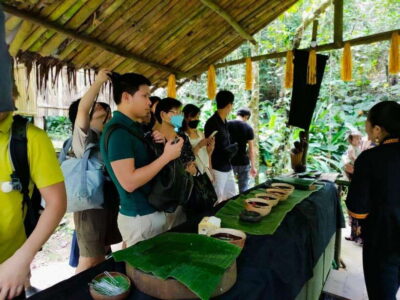
Sabah: Mari-Mari Cultural Village Visit + Lunch + transfer
Read our review →
Kinabalu Park With Rumah Terbalik & Desa Cow Farm
Read our review →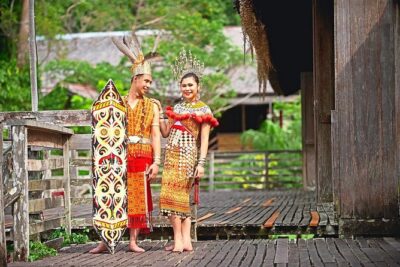
Browse the lists this tour appears in