
Reviewed · FOOD & DRINK
Penang Island: Street Food Walking Tour
Penang’s best food story begins in a market, not a restaurant. This 210-minute walk starts at Chowrasta Market, where Malay, Chinese and Indian communities have traded since the 1890s, then threads through George Town’s Heritage Zone for coffee, pickles, popiah, Asam Laksa and Nyonya sweets.
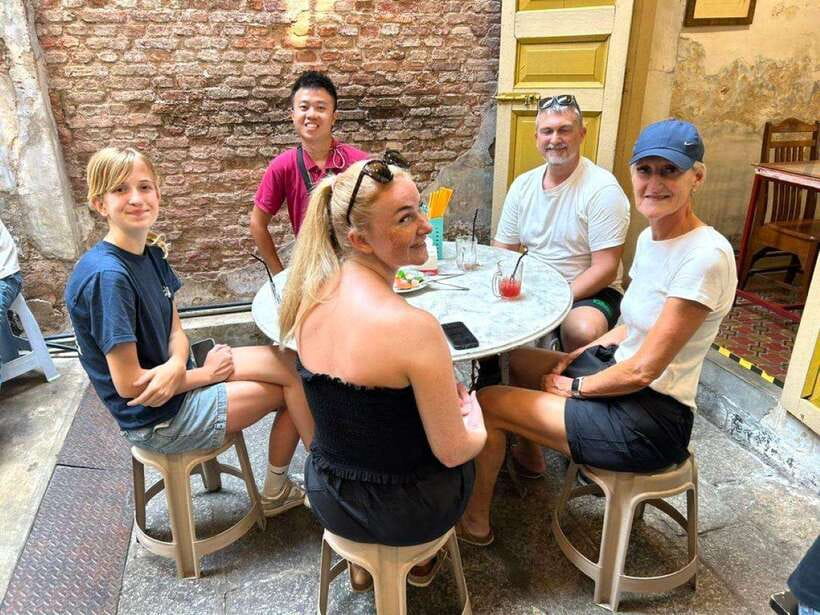
I like two things right away: the small group of no more than nine keeps the food stops manageable, and the guide connects each bite to real family businesses rather than handing you a simple list of dishes. The chance to watch a popiah maker whose family has worked by hand for 50 years is especially valuable.
The main consideration is the pace. This is a walking tour with several food stops, so comfortable shoes and breathable clothing matter. The activity is listed as wheelchair accessible, yet it is also marked unsuitable for people with mobility impairments. I would confirm the route and walking conditions before booking if that affects you.
Key points to know before booking
- Chowrasta Market dates to the 1890s: Begin where George Town’s food trade brought Malay, Chinese and Indian communities together.
- Try unusual local specialties: Ngor Ka Sai mixes local coffee with Milo, while nutmeg jeruk and durian dodol offer two very different Penang flavors.
- See handmade popiah production: A family tradition going back 50 years gives this stop real value beyond the tasting itself.
- Moh Teng Pheow adds Nyonya context: Learn about Baba and Nyonya food culture while sampling kuey made from recipes unchanged since 1933.
- Taste Penang-style Asam Laksa: The sweet, sour and savory balance differs from the version commonly found in Kuala Lumpur.
- Keep the group intimate: With a maximum of nine people, the guide can adjust portions to your appetite and avoid unnecessary food waste.
Starting with George Town’s oldest market
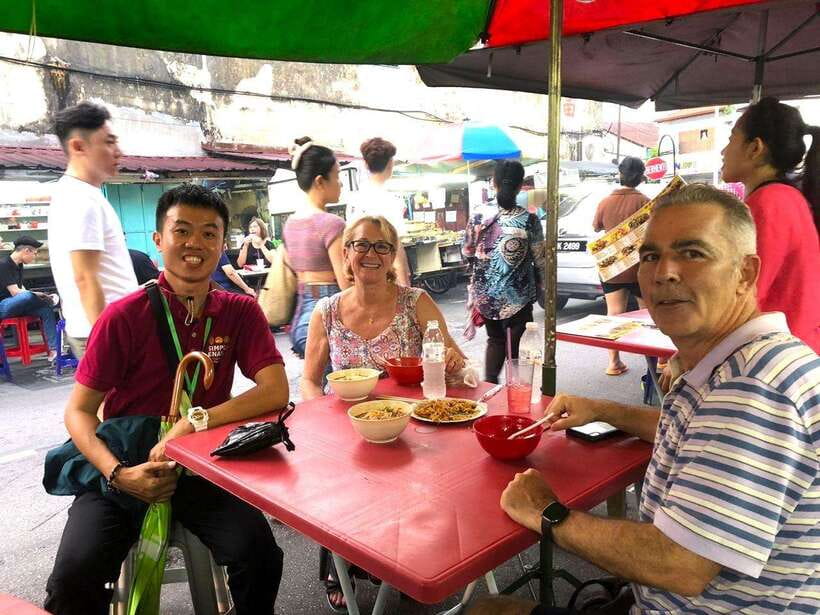
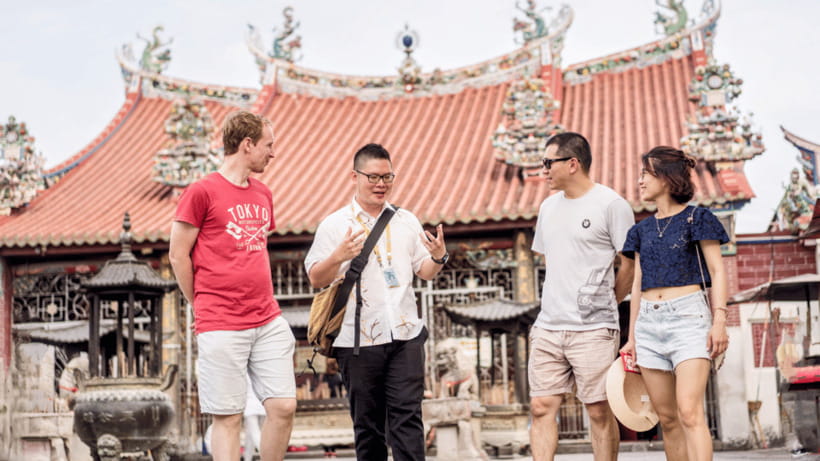
Meet 15 minutes before the start at the designated meeting point. Your guide will wear either a white polo shirt marked Simply Enak or a white batik shirt, which makes the group easier to spot in the morning crowd.
The first stop is Chowrasta Market, identified as Penang’s oldest market. Trade began here in the 1890s, and the market gives you a useful starting point for understanding why Penang food feels so layered. Malay, Chinese and Indian communities have shaped the island’s cooking, ingredients and eating habits over generations.
You will hear vendors speaking a mix of Hokkien, Malay and Tamil. That detail matters because Penang’s food culture is not one neat tradition. It is the result of communities living, trading and cooking alongside one another.
This is also where you get your first look at daily market life. Do not expect a polished food hall or a formal sit-down meal. The appeal is the working market atmosphere, the family businesses and the chance to see where local food habits begin.
More Food Tours in Penang
- Penang Plates Food Tour with 15+ Tastings
★ 4.9 · 734 reviews - Good Morning Penang Food Tour with 15+ Tastings
★ 5.0 · 148 reviews - Penang: Trishaw Ride and Hawker Center Food Tour
★ 4.3 · 20 reviews
Kopitiam coffee with a Penang twist
The tour introduces you to kopitiam culture, the traditional coffee shop life found across Malaysia. One tasting is Ngor Ka Sai, a local coffee mixed with Milo.
The combination sounds odd until you remember how kopitiam drinks often favor bold sweetness and strong flavor. Coffee brings bitterness, while Milo adds a chocolate-malt note. It is a small drink with a useful lesson: Penang food is often playful, practical and shaped by local habits rather than strict culinary rules.
Because extra drinks are not included beyond those shared during the tour, you should not count on ordering additional beverages as part of the price. If you want another coffee, ask your guide about the cost at the stop.
The coffee tasting also breaks up the walking. That is welcome in George Town’s warm climate, especially if you visit in clothing that does not breathe well. Bring water, an umbrella and comfortable shoes, as recommended for the activity.
Nutmeg jeruk and durian dodol
Two early tastings show how broad Penang’s snack traditions can be.
Nutmeg jeruk is a pickled nutmeg preparation with a sharp, awakening flavor. It is not a mild nibble designed to please everyone. The sour and spiced character wakes up your appetite, which makes sense before a longer food walk.
Durian dodol takes you in the opposite direction. Dodol is a sticky, sweet confection, and the durian version carries the fruit’s strong identity in a dense, chewy form. If you are unsure about durian, this is a more measured way to try it than committing to a whole fresh fruit.
The tasting is valuable because both foods connect to local traditions without requiring a full meal. Still, strong flavors can divide a group. Nutmeg pickle and durian are not safe choices for someone who wants only familiar food. The guide can help explain what you are tasting, but you should arrive open to sour, fermented and intensely sweet flavors.
Watching a 50-year popiah craft
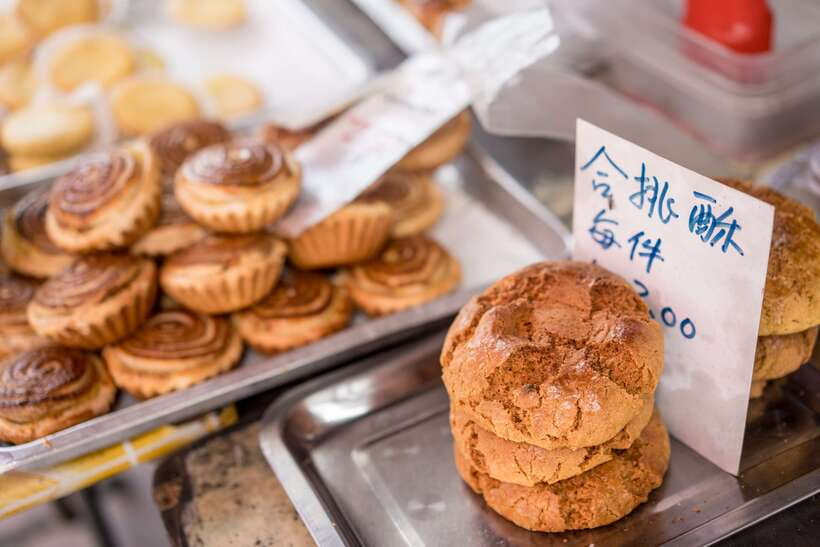
One of the most worthwhile stops is the handmade popiah demonstration. You will watch a master whose family has been making popiah skins by hand for 50 years.
Popiah is often treated as a quick snack, but the wrapper itself tells a larger story. A thin handmade skin requires skill, repetition and a technique passed down within the family. Seeing that process helps you notice the labor behind a food that might otherwise disappear in a single bite.
This is where the tour moves beyond eating. You are not simply being taken from stall to stall. You are shown a working tradition that may become less common as older methods fade.
The tour provider emphasizes long relationships with the vendors. Its guides have visited these businesses for years, and that matters in a small food walk. A family-run stall is more likely to share a process or story when the guide already knows the people behind the counter.
More Food Tours in George Town Malaysia:
- Penang Local Food Hunting
★ 5.0 · 10 reviews - George Town: Authentic Food Tour with 12+ Tastings
★ 4.7 · 7 reviews - George Town: Heritage Walking Tour with Street Food Tasting
★ 4.7 · 6 reviews - Sambal Streets Kuala Lumpur Food Tour with 15+ Tastings
★ 5.0 · 2,438 reviews
Moh Teng Pheow and the Nyonya kitchen
Moh Teng Pheow Nyonya Koay gives the walk a clear cultural center. The cafe is Michelin-listed and is known for a wide range of Nyonya kuey, including cakes, dumplings, puddings and pastries.
You will learn how Baba and Nyonya communities developed through Chinese-Malay cultural fusion. The food reflects that meeting point, with Chinese techniques and ingredients shaped by Malay tastes and local traditions.
Recipes at Moh Teng Pheow have remained unchanged since 1933, according to the tour information. That does not mean every dish will suit every palate. Nyonya sweets and snacks can use textures and flavors unfamiliar to visitors who expect Western cakes or simple pastries. But that difference is exactly why this stop earns its place.
The term kuey covers more than one style of food. You may see soft, sticky, steamed or filled items rather than a single signature dessert. The guide’s explanation helps you understand the range instead of reducing Nyonya cuisine to a colorful snack plate.
This is also a good stop for people who want cultural context with their food. If you only want the largest possible number of tastings, another tour might feel more direct. Here, the point is to understand why the food exists and who kept it going.
Asam Laksa in the Heritage Zone
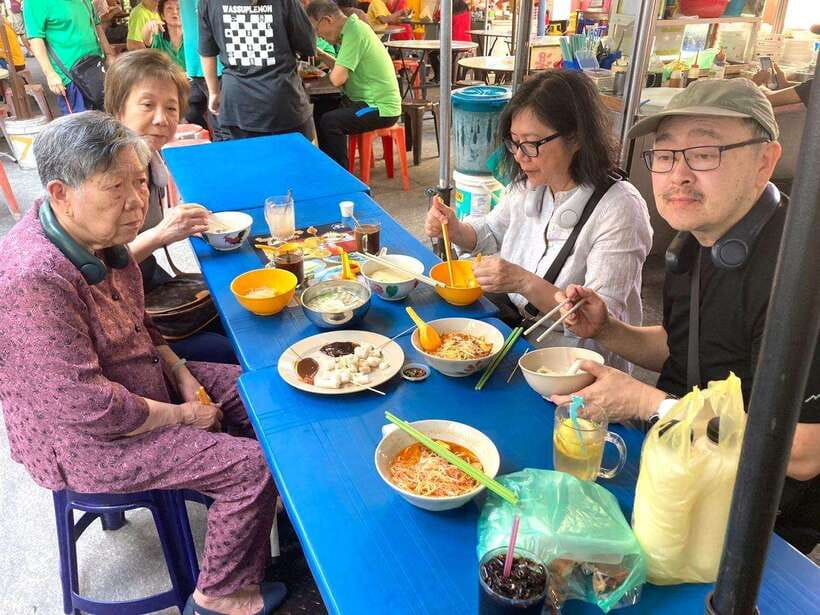
As you walk through George Town’s Heritage Zone, you will taste Penang Asam Laksa. The dish balances sweet, sour and savory flavors, and the Penang version differs from the style commonly associated with Kuala Lumpur.
That contrast gives you a useful reference point. Malaysian food changes from region to region, and a dish name alone does not tell you what will arrive in the bowl. Penang’s Asam Laksa has its own local identity, so this stop helps explain why the island is such an important food destination.
The portion size is managed according to the group’s appetite. That is a practical advantage on a walking food tour. Too much food early in the day can make later tastings a chore, and the provider specifically aims to avoid waste.
You should still plan for several savory and sweet samples over three and a half hours. If you have dietary restrictions, ask about them before booking. The supplied information does not list vegetarian, vegan, halal or allergy arrangements, so do not assume every stop can be changed.
Harmony Street, murals and George Town’s shared streets
Between food stops, the route passes temples, mosques and churches on Harmony Street. This part of the walk explains the social setting that allowed Penang’s food traditions to develop side by side.
The point is not just to collect photos of religious buildings. You will see how different communities occupy the same historic area, and how that proximity shaped the food served in markets and coffee shops.
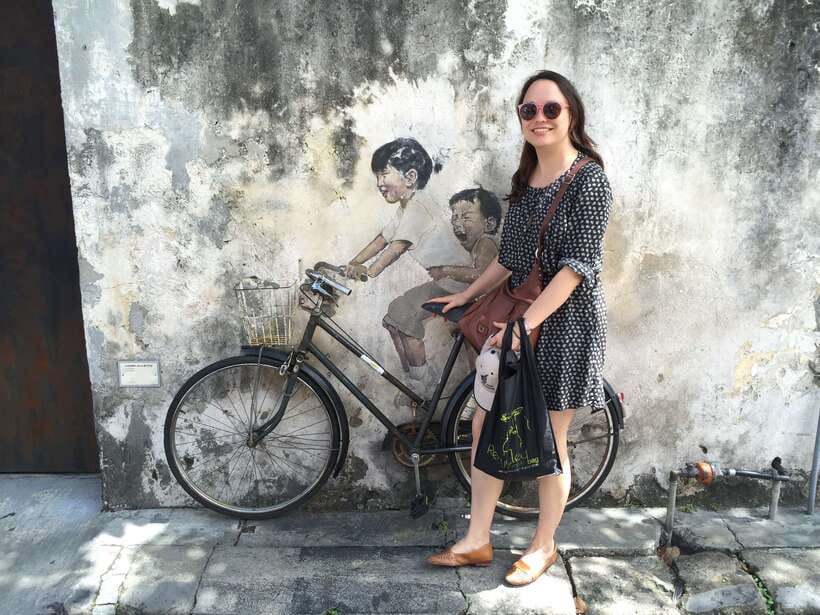
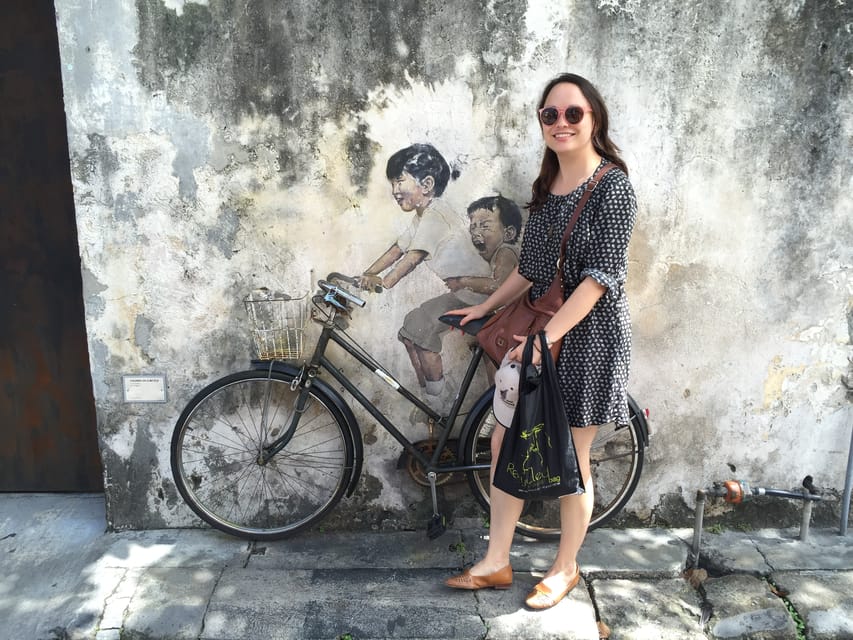
The walk also passes Ernest Zacharevic’s famous street art murals and iron-rod sculptures by local artists. These details add visual variety between tastings and help you read George Town as both a historic district and a living city.
You will also pass the oldest fire station in town. It is a brief landmark rather than a separate attraction, but these small details make the route feel connected to the wider city instead of confined to food counters.
The art and architecture are supporting features, not the main reason to book. If your top priority is a dedicated street-art tour, you should choose an activity focused on murals. Here, the art works best as part of the walk between meals.
What the $75 price really covers
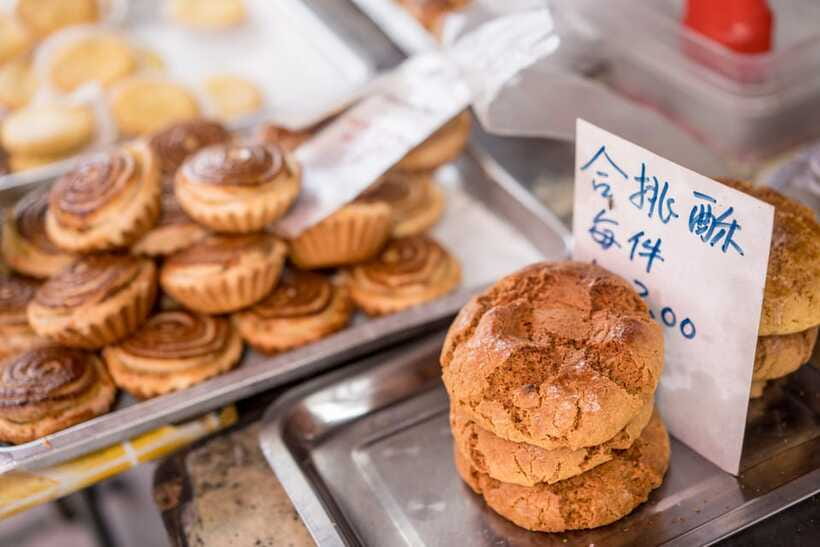
At $75 per person, this is not the cheapest way to eat in Penang. Local snacks and drinks can cost far less when bought on your own.
The value comes from the structure. Your fee includes a licensed English-speaking guide, food and shared drinks at selected family-run stalls, and the cultural explanation that links the dishes together. You are paying for access to a planned route, vendor relationships and a manageable tasting schedule.
The maximum of nine people is important. A large group can crowd small stalls and make it hard to hear explanations. With fewer people, the guide can watch your appetite, answer questions and keep the food portions sensible.
I would consider the price worthwhile if you have limited time in George Town, want a clear introduction to Penang food, or prefer not to work out the route yourself. It is less compelling if you already know the city’s food stalls and are comfortable ordering on your own.
The activity has a five out of five rating from three reviews, including a verified April 2025 booking from Germany. The specific praise focuses on trying traditional Penang food, seeing many George Town dishes and enjoying the small group. That fits the tour’s strongest features, though the sample is small, so I would treat the rating as encouraging rather than conclusive.
Timing, clothing and practical limits
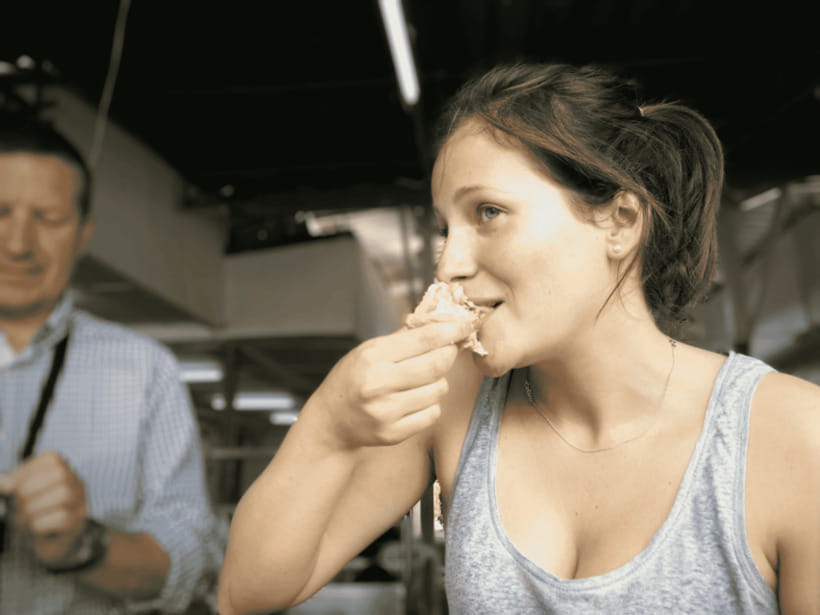
The tour lasts 210 minutes, or three and a half hours. Starting times vary, so check availability for your chosen date.
Wear comfortable shoes and breathable clothing. Bring water and an umbrella. George Town’s weather can change quickly, and the walk includes outdoor movement between food stops.
Large bags and luggage are not allowed. Arrive 15 minutes early, and look for the guide’s white Simply Enak polo shirt or white batik shirt.
The activity is conducted in English, and all guides are licensed. No guide names are supplied, so you should identify the person by clothing at the meeting point rather than by name.
The tour is described as wheelchair accessible, but it is also marked as unsuitable for people with mobility impairments. Those statements do not provide enough detail about the exact route, surfaces or amount of walking. If you use a wheelchair or have limited mobility, contact Simply Enak before paying so you can confirm what accessible means for this particular walk.
People with a cold should not join. That is sensible for a food activity involving shared spaces and close contact with vendors.
Free cancellation is available up to 24 hours before the start for a full refund. You can also reserve now and pay later, which helps if your George Town schedule is still changing.
Who will get the most from this walk
This tour suits you if you want food, history and local personalities in one outing. It is especially useful during your first visit to Penang because it gives you a foundation for later meals. After tasting Asam Laksa, Nyonya kuey and kopitiam drinks with explanations, you will have a better sense of what to order elsewhere.
It also suits people who prefer smaller groups and family-run businesses. The guide’s long connections with vendors are a key part of the experience, not a minor extra.
It may not suit you if you dislike strong flavors, have a very restricted diet, dislike walking in warm weather or want a formal restaurant meal. It is also not the right choice for anyone carrying luggage or a large bag.
Should you book the Penang food walk?
I would book this tour if you want a guided introduction to George Town’s food culture rather than a simple checklist of snacks. The strongest stops are the 50-year handmade popiah tradition, Moh Teng Pheow’s Nyonya sweets, the 1890s market setting and the small-group format.
The $75 price makes sense when you value the guide’s vendor connections and cultural explanations. It makes less sense if your goal is the lowest possible food cost.
Bring an appetite, but not an enormous one. The tour is built around variety, and the guide adjusts portions to avoid leaving you overloaded. If that mix of tasting, walking and local context sounds right, this is a useful first food day in Penang.
FAQ
How long does the Penang street food walking tour last?
The tour lasts 210 minutes, or three and a half hours.
What language is the tour conducted in?
The live guide speaks English.
How many people can join the tour?
The group is limited to nine participants.
Where does the tour begin?
It begins at Chowrasta Market, the oldest market in Penang.
What food and drinks are included?
The price includes food and selected shared drinks at family-run stalls. Extra drinks beyond those shared are not included.
What should I bring?
Bring comfortable shoes, an umbrella, water and breathable clothing. Large bags and luggage are not allowed.
Can I cancel the tour for a refund?
Yes. You can cancel up to 24 hours before the activity for a full refund. You can also reserve now and pay later.
More Walking Tours in George Town Malaysia
- Kuala Lumpur Local Street Food Private Walking Tour by Night
★ 4.5 · 224 reviews - 2d1n Mount Kinabalu Via Ferrata – Walk The Torq
★ 5.0 · 90 reviews - Kinabalu Park & Poring Hot Spring & Canopy Walk
★ 4.5 · 80 reviews - 2d1n Kinabalu Park & Poring Canopy Walk & Desa Cow Farm Tour
★ 5.0 · 35 reviews
Just added around George Town Malaysia
- Penang: Wonderfood Museum Entry Ticket★ 4.8 · 7 reviews
- Penang: Trishaw Ride and Hawker Center Food Tour★ 4.3 · 20 reviews
- Penang: Private Customized Flexible Tour with Tourist Guide★ 5.0 · 19 reviews
- Penang: Private Highlights Tour with Temples, Hill & Gardens★ 5.0 · 5 reviews
- Penang Local Food Hunting★ 5.0 · 10 reviews
- Penang: ATV Ride in Balik Pulau with Snacks and Transfers★ 4.6 · 13 reviews
- George Town: Authentic Food Tour with 12+ Tastings★ 4.7 · 7 reviews
- George Town: Heritage Walking Tour with Street Food Tasting★ 4.7 · 6 reviews
Food & Drink, compared.
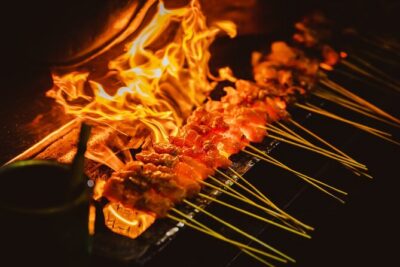
Sambal Streets Kuala Lumpur Food Tour with 15+ Tastings
Read our review →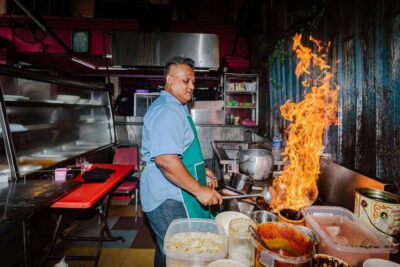
The 10 Tastings of Kuala Lumpur With Locals: Private Street Food Tour
Read our review →
Kuala Lumpur Local Street Food Private Walking Tour by Night
Read our review →
Eat Like a Local: Kuala Lumpur Hawker Center and Street Food Tour by Night
Read our review →
Good Morning Penang Food Tour with 15+ Tastings
Read our review →Browse the lists this tour appears in