Reviewed · KUALA LUMPUR TOURS
Kuala Lumpur: 4-Hour Authentic Local Markets & Event Tour
Kuala Lumpur changes character after sunset, and this tour puts you among mosque worshippers, food stalls, shoppers, and street traders during Ramadan. You begin around Masjid Jamek, built in 1909, then work through Jalan Masjid, Chinatown, Merdeka Square, and Central Market.
I like the local food tasting and the chance to see Ramadan customs up close. I also like the private format, since guides such as Sathia, Ruben Raj, Nathan, and Janar have been praised for explaining food, neighborhoods, history, and culture in a personal way.
The main concern is timing. Kuala Lumpur traffic can be severe, and one poorly coordinated evening turned into a late pickup, closed markets, and too much time searching for the driver. Confirm your pickup time and meeting point before you set out.
Key points to know before booking
- Masjid Jamek sets the cultural tone: You can observe Muslim worship and Ramadan customs at one of Kuala Lumpur’s oldest mosques.
- Food is part of the experience: Tastings may include hawker food, fruit, drinks, or a local meal, but the exact food stop can vary.
- Chinatown is the bargain stop: Expect cheap souvenirs, crowded lanes, and plenty of room to negotiate.
- Central Market is better for crafts: Prices may be firmer than in Chinatown, but the goods give you a clearer look at Malaysian art and tradition.
- Private groups allow flexibility: Your guide can give you time to browse, eat, and ask questions, subject to the four-hour schedule.
- Traffic can reshape the evening: The tour is strongest when pickup is prompt and the markets are still open.
What this four-hour evening actually offers
This is not a polished sightseeing circuit with a single big attraction. It is a short evening among Kuala Lumpur’s working streets, religious sites, food sellers, and shopping areas.
You are paying $31 per person for an English-speaking driver-guide, hotel pickup and drop-off, food tasting, and about four hours on the road and on foot. For a private group, that can be a fair price, especially if you are new to Kuala Lumpur and want one evening to connect several central areas.
The value depends heavily on execution. A good guide can explain why a mosque matters, help you order food, point out local products, and keep the evening moving. A late start can have the opposite effect. Markets close, traffic eats into the schedule, and the tour loses its strongest feature: being outside among ordinary evening activity.
The advertised start is 6:00 p.m. You should be ready in your hotel lobby, but the instructions also mention meeting near the ticketing counter at Masjid Jamek Kelana Jaya LRT Station and warn you not to wait at Ampang or Santul stations. Those directions do not perfectly match the hotel pickup promise, so confirm the exact arrangement before departure.
A few more Kuala Lumpur half-days to weigh up
- Kuala Lumpur: Batu Caves Half-Day Tour with Pick-Up Option
★ 4.5 · 4,288 reviews - Private Half-Day Batu Caves and Cutural Tour in Kuala Lumpur
★ 5.0 · 3,107 reviews - Sambal Streets Kuala Lumpur Food Tour with 15+ Tastings
★ 5.0 · 2,438 reviews
Masjid Jamek and Ramadan after sunset
Masjid Jamek is the most meaningful stop on the route. Built in 1909, it is one of Kuala Lumpur’s oldest mosques and sits at the start of the city’s modern story.
During Ramadan, you can observe Muslims carrying out evening religious customs and making offerings as they seek forgiveness. This is not simply a photo stop. You are watching a living practice, so dress with care and keep your behavior quiet and respectful.
The clothing rule is clear: shoulders and knees should be covered. Comfortable walking shoes also matter, since the evening includes narrow lanes, market walks, and time standing near stalls.
Your guide’s explanation is important here. Without context, you may see a historic mosque and move on. With a good guide, the stop can help you understand why Ramadan shapes the rhythm of the city, especially at night when families gather for food and worship.
Do not expect a long religious tour inside the mosque. The supplied schedule gives Masjid Jamek about 20 minutes. That is enough for a brief visit and explanation, not an extended architectural study.
Jalan Masjid and the Ramadan market streets
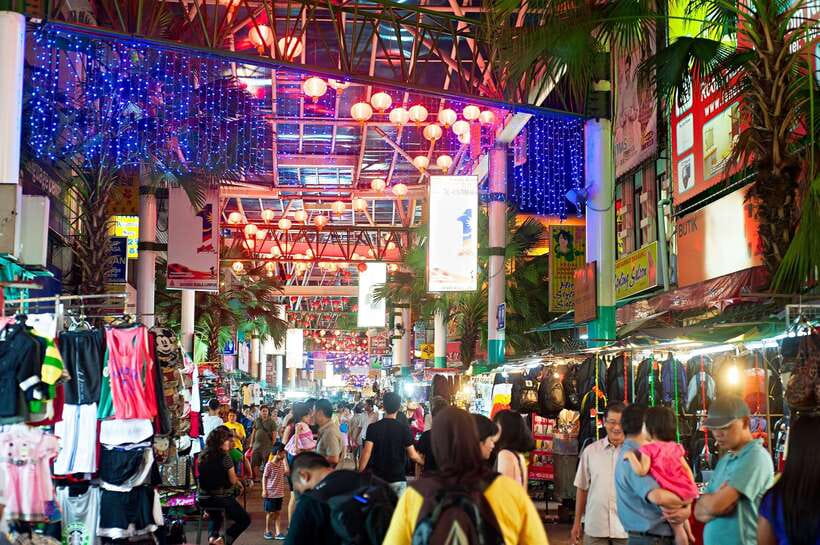
After the mosque, the tour moves into Jalan Masjid and nearby market streets. This is where the evening should feel most active: hawkers, shoppers, temporary stalls, local products, fruit, drinks, and food being prepared for the night.
The best approach is to let your guide lead you through the choices. Malaysian street food can be unfamiliar, and a guide can explain what you are seeing and help you decide what to taste. The experience includes food tasting, but the exact number and type of samples are not fixed.
This point matters because the food portion has varied in quality. One strong evening included several food experiences and ended with a local Malay meal. Another evening offered only a visit to an Indian restaurant, with little market tasting. You should see the food element as part of the tour, not as a guaranteed full dinner or fixed tasting menu.
I would ask your guide at the start what is planned for the food stop. If you have dietary restrictions, state them clearly before ordering. The activity does not promise a special diet menu, and alcoholic drinks are not included.
The streets are also a good place to buy typical local products. You can look, ask questions, bargain, and watch the way residents shop. Bring small notes if you plan to buy inexpensive items, though the supplied details do not promise any particular product or price.
Chinatown: bargains, narrow lanes, and a second food stop
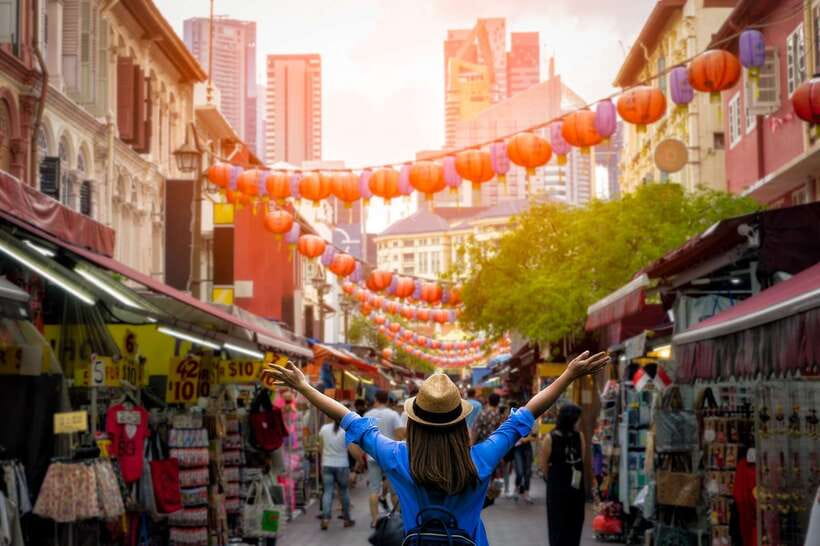
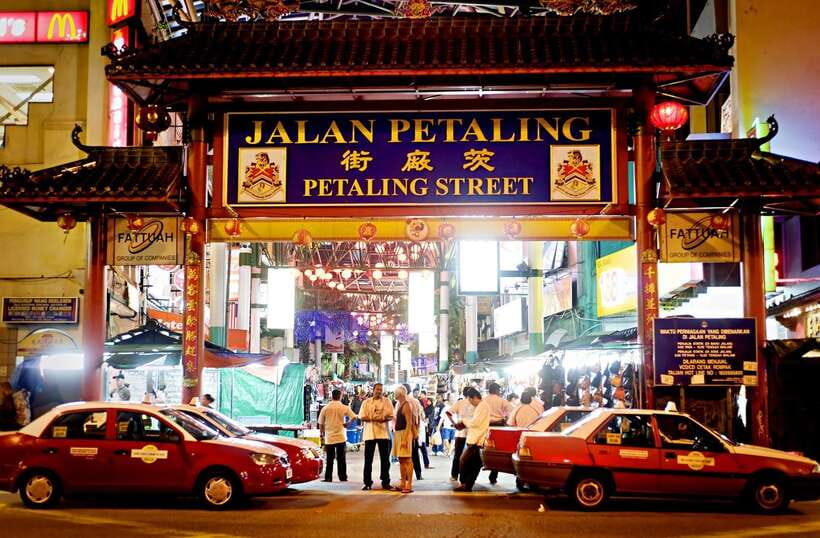
Chinatown is scheduled for about an hour. It is the tour’s most obvious shopping stop, with crowded lanes, souvenirs, and stalls where bargaining is expected.
This is the place to practice your negotiating skills. Prices may begin higher than what the seller will accept, but keep the exchange friendly. The point is not to win every bargain. It is to browse, compare, and decide if an item is worth carrying home.
You may also get a second round of Chinese food here. Again, the exact food depends on the guide and the evening schedule. The tour description promises a chance to enjoy Chinese food, but it does not list a set dish or restaurant.
Chinatown’s weakness is that some goods may feel generic. If you want handmade Malaysian crafts, save some shopping time for Central Market. Chinatown is better for low-cost souvenirs and the pleasure of bargaining than for a carefully selected cultural purchase.
Timing is crucial. If the tour begins late, Chinatown may be closing by the time you arrive. One poorly timed evening left too little time to explore, and the guide was temporarily unavailable while the group tried to find him. That is not a minor nuisance when you have only four hours. Confirm who you should contact if you become separated and agree on a clear meeting point before walking off.
Same base, a completely different kind of day:
- Kuala Lumpur: Sambal Street Food Tour with 15+ Tastings
★ 4.9 · 1,657 reviews - From Kuala Lumpur: Batu Caves Cultural Temple Tour
★ 4.7 · 1,453 reviews - Kuala Lumpur: Petronas Twin Towers Entry E-Ticket
★ 4.6 · 1,229 reviews - Private Tour Kuala Lumpur with Petronas Twin Towers Observation Deck & Batu Cave
★ 5.0 · 1,029 reviews
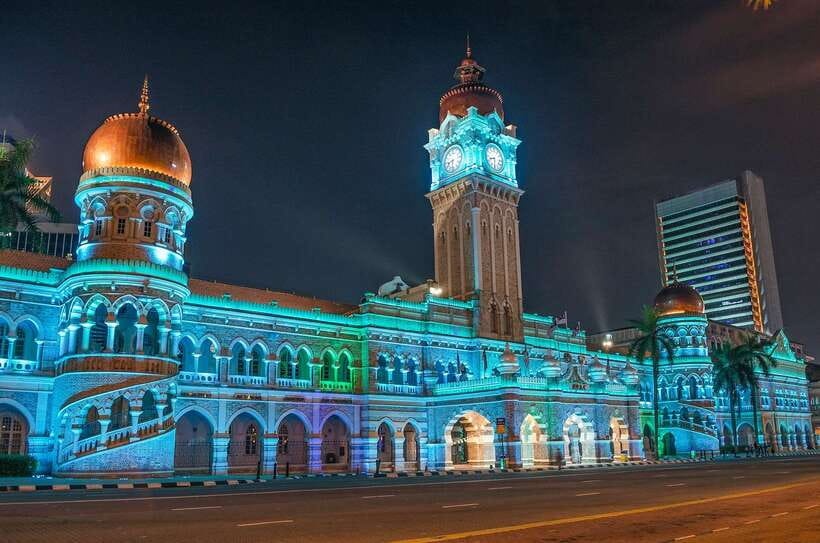
Merdeka Square and Kuala Lumpur’s civic center
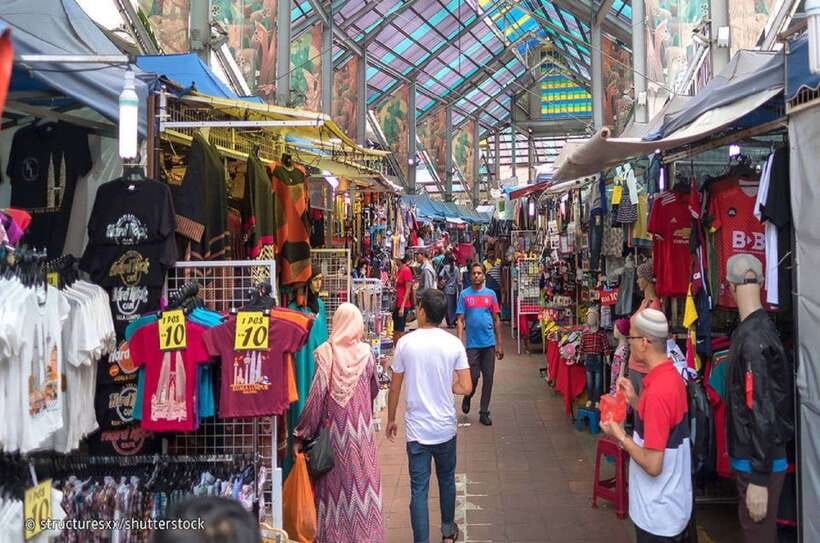
Merdeka Square provides a change of pace from market lanes. You get a brief chance to walk around a major civic space and take in Kuala Lumpur’s public center.
The schedule lists a 20-hour visit, but that cannot fit inside a four-hour tour and is almost certainly a timing error for 20 minutes. Treat this as a short sightseeing stop, not a lengthy visit. Ask the guide how much time is available on your evening.
A short stop can still be useful. After food stalls and crowded shopping streets, Merdeka Square gives you room to pause and connect the city’s streets with its national identity. You may be asked to walk around independently and return to a set meeting point, so pay attention to the instructions and location.
This is another reason to wear good shoes and keep your phone charged. The tour includes several stops, and the evening can become confusing if you are tired, unfamiliar with the area, or separated from the vehicle.
Central Market and Malaysian handicrafts

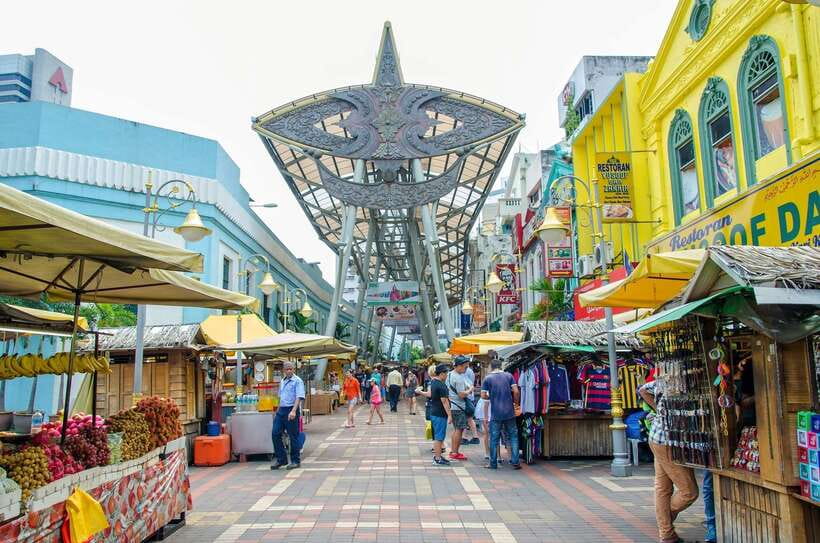
Central Market is the final major stop and is described as a center for local traditional handicrafts. Compared with Chinatown, it is the better place to look for items that help explain Malaysian culture.
You may find crafts, souvenirs, and products tied to local traditions. The market is still a place to bargain, but discounts are usually smaller than in Chinatown. That can mean higher prices, but it may also make the shopping feel less like a hunt for the cheapest item and more like a search for something with cultural meaning.
The planned visit is about an hour. That gives you enough time to browse if the tour is running on schedule. If traffic or a late pickup has cut into the evening, Central Market may be closing when you arrive. For this reason, I would ask whether Central Market will be visited before Chinatown if your start is delayed.
The order matters less than the available time. Central Market is most useful when you can stop, compare items, ask your guide what is locally made, and decide without rushing.
The guides can make or break the evening
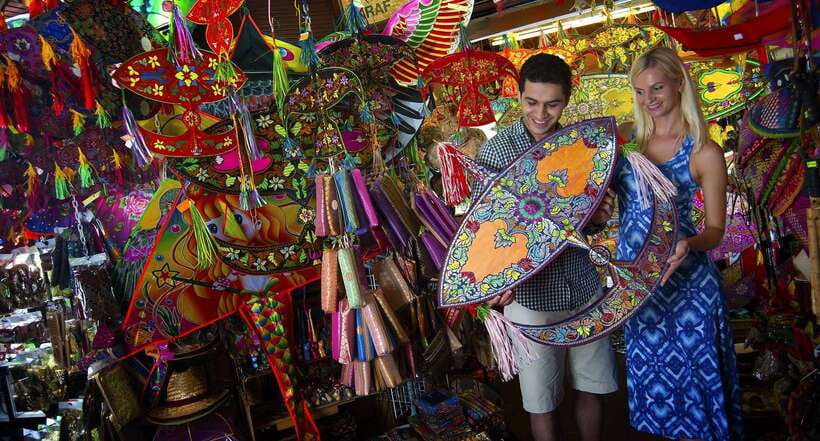
The strongest part of this experience is the human element. Guides named Sathia, Ruben Raj, Nathan, and Janar have been praised for their warmth, clear English, cultural explanations, and personal attention.
Sathia, in particular, has been described as sharing insight into Little India, her home neighborhood, arranging food, and ending the evening with local Malay dishes. Ruben Raj has been praised for his friendly manner and understanding of food, history, and culture. Nathan has been described as giving visitors enough time to explore on their own, while Janar has been praised for clear English and useful explanations.
These details point to the right expectation. This is not only transportation between markets. With the right guide, you get help reading the city: what people are eating, how to behave near the mosque, where bargaining fits, and why the neighborhoods feel different.
Still, guide quality and organization can vary. The driver-guide role may be filled at short notice, and one evening suffered from a late replacement, delayed pickup, traffic, closed markets, and poor communication. That does not mean every departure will go that way, but you should not ignore the practical risk.
Food: treat it as a flexible tasting experience
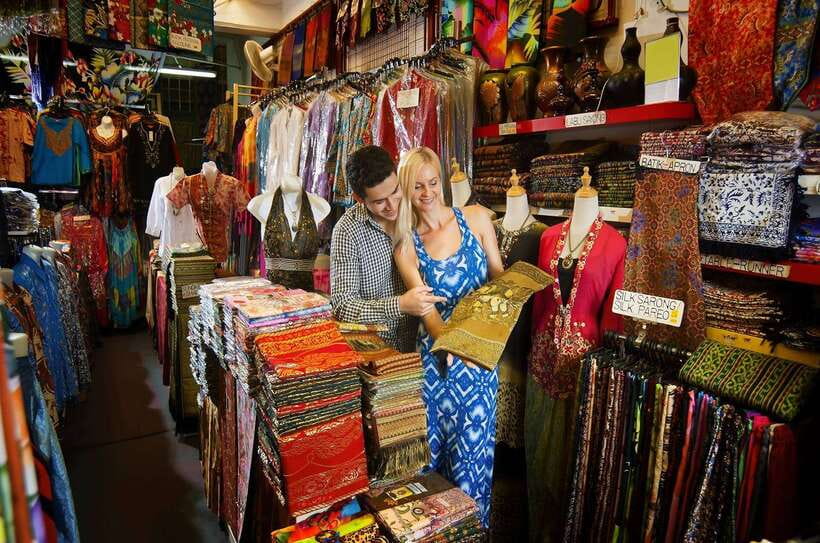
Food is one of the main reasons to choose this tour. You can expect an introduction to street hawker food, local fruit, drinks, and possibly Indian, Chinese, and Malay dishes as the route changes neighborhoods.
The tour is especially useful if you want help getting started with Malaysian food. You can ask the guide what is popular, what is mild or spicy, and how a dish is normally eaten. The evening may also include a full local meal, but this is not promised as a fixed part of the schedule.
Do not book this solely for a specific menu. Book it if you like the idea of tasting what is available that night, with a guide helping you make sense of it. Alcohol is not included.
Timing, transport, and the value of $31
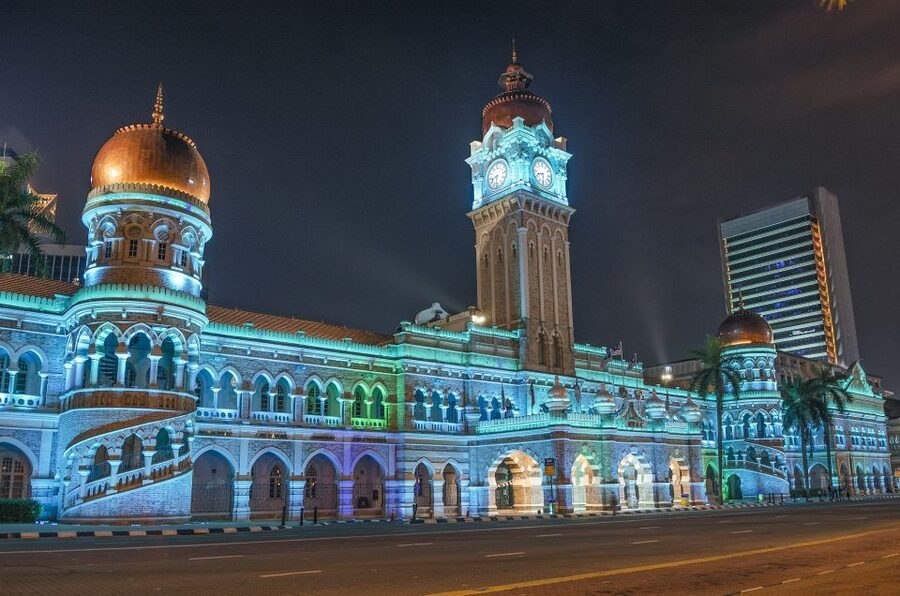
At $31 per person, the price is reasonable when the tour delivers its full mix: private transport, hotel pickup and drop-off, a guide, food tasting, and several central locations.
It is less attractive if your main goal is serious market shopping. You can reach Chinatown and Central Market independently, and a delayed tour may leave you with less time than planned. The price earns its keep through explanation, food guidance, and the convenience of connecting several places in one evening.
Traffic is the central practical issue. Kuala Lumpur roads can be slow, especially during evening hours. A prompt 6:00 p.m. start gives the tour a chance to visit the markets while they are open. A start at 7:00 or 7:30 p.m. can change the whole experience.
You receive free cancellation up to 24 hours before departure, and you can reserve now and pay later. Those policies are useful if your schedule is still shifting, but they do not solve a late pickup on the day itself. Confirm the time, vehicle, guide name, and meeting point in advance.
Who should book this Kuala Lumpur evening tour
I would choose this tour if you are visiting Kuala Lumpur for the first time, want a quick introduction to several central areas, and prefer having a local guide explain what you are seeing.
It suits couples, families, and small private groups who want a flexible evening rather than a formal lecture. It can also work well on your first night, since you get a broad look at the city and can return later to the places you liked most.
Families with teenagers may appreciate the mix of food, shopping, photos, and short walks. Older visitors should note that the tour involves walking and standing in crowded areas, and the changing market surfaces make comfortable shoes important.
I would be cautious if you need a strict timetable, a guaranteed restaurant meal, or a fixed list of dishes. I would also think twice if you dislike bargaining, crowded lanes, or plans that may shift with traffic.
Should you book it?
Book this experience if your priority is local context in a short evening. Masjid Jamek, Ramadan customs, hawker food, Chinatown, Merdeka Square, and Central Market give you a useful cross-section of Kuala Lumpur.
Before paying, send a message to confirm the 6:00 p.m. pickup, the exact hotel arrangement, the Masjid Jamek meeting instructions, and the planned food stop. If the guide is Sathia, Ruben Raj, Nathan, or Janar, you may be in especially good hands, but the tour’s organization still matters.
At $31, it is good value when the guide is engaged and the route runs on time. It is not the best choice for a guaranteed culinary tour or a relaxed craft-shopping session. Go for the mix of culture, food, and street life, and keep your expectations flexible.
FAQ
How long is the tour?
The tour lasts four hours.
What time does the tour start?
The stated start time is 6:00 p.m. Check availability for the exact departure time and confirm the pickup time before the tour.
Is hotel pickup and drop-off included?
Yes. Hotel pickup and drop-off in Kuala Lumpur are included.
Is the tour private?
Yes. It is offered as a private group experience.
What language does the guide speak?
The live guide speaks English.
Which mosque does the tour visit?
The tour visits Masjid Jamek of Kuala Lumpur, built in 1909.
What should I wear?
You should wear full attire with your shoulders and knees covered. Comfortable walking shoes are recommended.
Does the tour include food?
Yes. Food tasting is included. The route may include hawker food, fruit, drinks, and local dishes, but the exact food is not specified.
Are alcoholic drinks included?
No. Alcoholic drinks are not included.
Where should I meet the guide?
The instructions say to reach Masjid Jamek Kelana Jaya LRT Station near the ticketing counter and not to wait at Ampang or Santul LRT Stations. Since hotel pickup is also included, confirm the exact meeting arrangement before departure.
Just added around Kuala Lumpur
- Walk & Discover KL’s Architectural and Heritage Gems★ 5.0 · 7 reviews
- Private Transfer: Kuala Lumpur International Airport to or from Hotel★ 4.5 · 14 reviews
- Transit Tour Private Tour (Ex Port Klang Cruise Centre/KLIA 1 &2)★ 5.0 · 10 reviews
- Private Port Klang Cruise to Kuala Lumpur City Tour★ 5.0 · 3 reviews
- Private Kuala Lumpur Shore Excursions★ 4.5 · 22 reviews
- Kuala Lumpur City & Batu Caves Temple Private Tour★ 4.5 · 3 reviews
- Kuala Lumpur International Airport Transfers★ 5.0 · 4 reviews
- Kuala Lumpur International Airport Layover Tour★ 4.0 · 12 reviews
Kuala Lumpur Tours, compared.
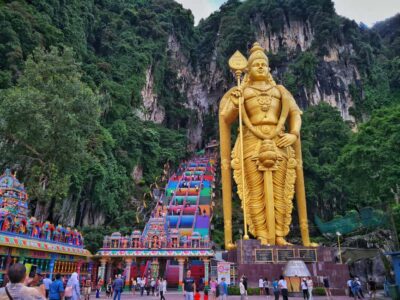
Private Half-Day Batu Caves and Cutural Tour in Kuala Lumpur
Read our review →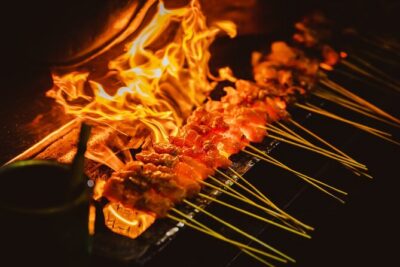
Sambal Streets Kuala Lumpur Food Tour with 15+ Tastings
Read our review →
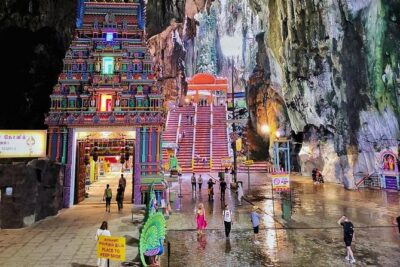
Private Tour Kuala Lumpur with Petronas Twin Towers Observation Deck & Batu Cave
Read our review →