
Reviewed · FOOD & DRINK
Culinary Journey Through Chinatown with All Type of Delicacies
Kuala Lumpur’s best food lessons often come in small portions, shared at ordinary shops rather than served on a formal plate. This three-hour walk takes you from Central Market through Petaling Street and Chinatown, with stops for bakkwa, apam balik, tofu fa, teh tarik, roti canai, fruit, and Hokkien mee.
I like the wide range of Malaysian flavors packed into one evening, and I like the personal touch of a small group capped at 15 people. Guide Rayhan Raj Naidu has earned especially warm praise for his friendly service and useful advice beyond the meal itself.
The main drawback is the price: $104.80 per person is a serious sum for a walking food tour in Kuala Lumpur. You also need to reach Central Market yourself, and a solo booking may offer less chance to share dishes with a group.
Key points before you book
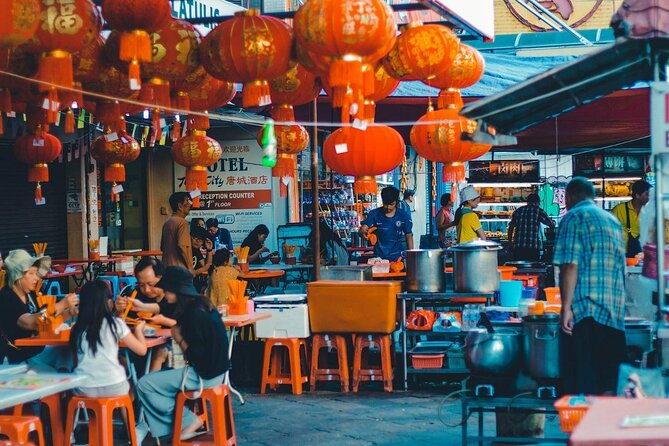
- Seven distinct tasting stops: Try Chinese, Malay, and Indian Muslim specialties in one compact route.
- A proper evening walk: Expect about 2 to 3 kilometers on foot, with stops to eat and rest.
- Rayhan Raj Naidu may be your host: His friendly approach and practical Malaysia tips are a big part of the experience.
- Dietary requests are possible: Halal and vegetarian choices are available when you give notice at booking.
- Central Market is the meeting point: You arrange your own taxi, Grab, or public transport to the information counter.
- Come hungry: The tour includes food, drinks, dessert tastings, and bottled water, but extra drinks cost more.
Starting at Central Market at 4 p.m.
The tour begins near the information counter at Central Market Kuala Lumpur. This is a sensible meeting place because it is easy to identify and close to Chinatown, Petaling Street, and public transport.
You should plan your route before the start time. Hotel pickup and drop-off are not included, so you need to make your own way there by taxi, Grab, or public transport. Give yourself a little extra time, since the tour begins at 4 p.m. and the group will move on once introductions are finished.
The opening meet-and-greet lasts about 15 minutes. This is when you can tell the host about allergies, religious food rules, or a vegetarian diet. That conversation matters here because several tastings may contain meat, dairy, soy, or other ingredients that are not obvious at first glance.
Central Market also gives you a useful first look at Kuala Lumpur’s mix of cultures. The food walk is not simply a series of restaurant visits. It connects several communities and cooking traditions within a short distance.
More Food Tours in Kuala Lumpur
- Sambal Streets Kuala Lumpur Food Tour with 15+ Tastings
★ 5.0 · 2,438 reviews - Kuala Lumpur: Sambal Street Food Tour with 15+ Tastings
★ 4.9 · 1,657 reviews - The 10 Tastings of Kuala Lumpur With Locals: Private Street Food Tour
★ 5.0 · 249 reviews
Petaling Street brings the city into focus
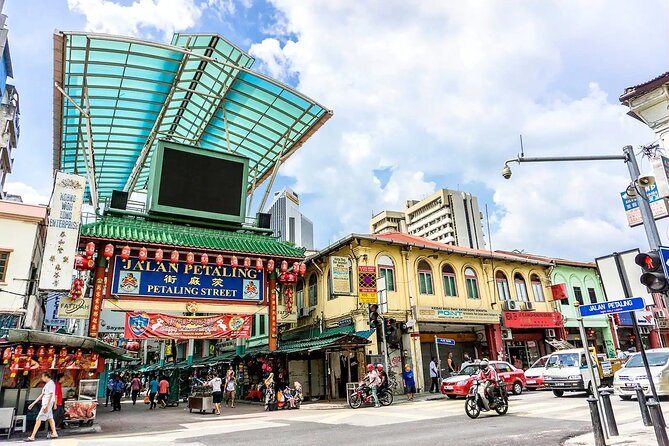
From Central Market, you walk toward Petaling Street, the main commercial heart of Chinatown. The route includes time to look at shops, street stalls, and the surrounding streets before the food sampling begins in earnest.
This part of the walk helps you understand the setting for the meal. Petaling Street is not a quiet heritage display. It is a working shopping area where food, souvenirs, local commerce, and daily city life sit side by side.
You get about 15 minutes here, so do not expect a long shopping stop. The point is to get your bearings and see the area with a local host before settling into the tasting route. If you want to buy souvenirs, you may need to return later, since the food schedule keeps moving.
Bakkwa offers a sweet and smoky first bite
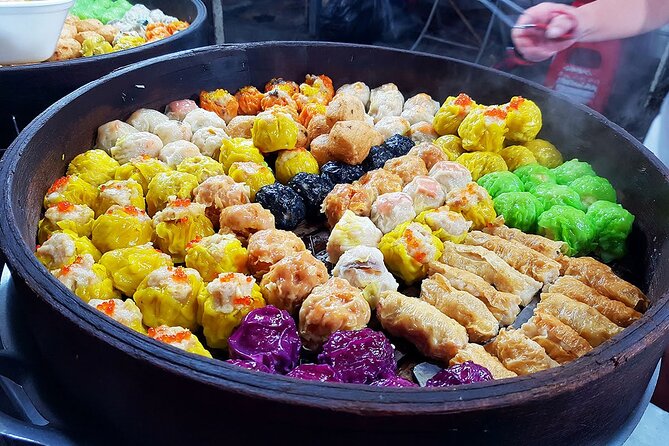
One of the early tastings is bakkwa, Chinese-style dried meat prepared in a Malaysian fashion. You sample two types of meat and get a chance to compare their flavor and texture.
Bakkwa is a useful introduction to the local Chinese food tradition because it is both familiar and distinct. It resembles barbecue meat, but the drying and grilling process gives it a dense bite and a sweet, smoky taste.
The portion is a tasting rather than a full meal, which is important. You have several more stops ahead, so the small serving lets you try the food without filling up too early. If you do not eat meat, tell the host in advance so an alternative can be arranged.
Apam balik combines crunch and softness
Next comes apam balik, a Malaysian-style pancake. The middle is soft and fluffy, while the outer edges provide a crisp contrast. Sugar and other fillings give it a sweet finish.
This is the sort of stop that makes a food walk useful. You are not just eating a famous dish. You are noticing how texture matters in Malaysian snacks, where a soft center and crunchy edge can be part of the appeal.
The pancake is also a reminder to pace yourself. The tour includes sweet food, drinks, fruit, and savory dishes, so taking a few bites and saving room is wiser than treating each stop as a full serving.
Same base, a completely different kind of day:
- Kuala Lumpur: Batu Caves Half-Day Tour with Pick-Up Option
★ 4.5 · 4,288 reviews - Private Half-Day Batu Caves and Cutural Tour in Kuala Lumpur
★ 5.0 · 3,107 reviews - From Kuala Lumpur: Batu Caves Cultural Temple Tour
★ 4.7 · 1,453 reviews - Kuala Lumpur: Petronas Twin Towers Entry E-Ticket
★ 4.6 · 1,229 reviews
Tofu fa and tropical fruit cool the route
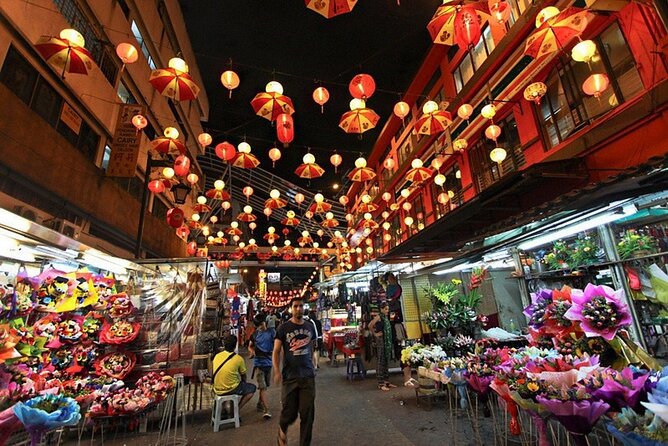
After the first food tastings, the group pauses for a soy-based drink. You may have it hot or cold. The hot version comes with tofu fa, a soft, jelly-like tofu dessert.
Tofu fa has a delicate texture and a much milder character than the bakkwa or pancake. It gives the route some balance and shows another side of Chinese food in Malaysia. If you have not tried it before, focus on the texture as much as the flavor.
You also sample local tropical fruit during the walk. The exact fruit is not specified, so the selection may change. That flexibility is normal for a street-food route, where availability affects what is served on a particular day.
Bottled water is included, which is welcome during a walking tour in Kuala Lumpur. Other drinks, especially alcoholic beverages, are not included.
Teh tarik and roti canai make the Indian Muslim stop essential
The route then moves to a local Indian Muslim restaurant for two of Malaysia’s most recognizable comfort foods: teh tarik and roti canai.
Teh tarik is Malaysia’s famous pulled tea. The drink is poured between containers to create a foamy top, and it usually has a sweet, milky taste. The preparation is part of its appeal, but the bigger value is cultural. This is a drink tied to everyday meals, tea breaks, and casual conversation.
Roti canai is a flaky flatbread often served as a breakfast or tea-time food. It is simple on paper, but the texture is the reason to try it fresh. One traveler on the tour called it the best roti of the trip, which gives you a useful clue about where this experience may deliver most clearly.
The restaurant stop also broadens the food story. You move from Chinese snacks to Indian Muslim cooking without leaving the Chinatown area, a good example of how Kuala Lumpur’s food culture crosses community lines.
Hokkien mee closes the meal with something savory
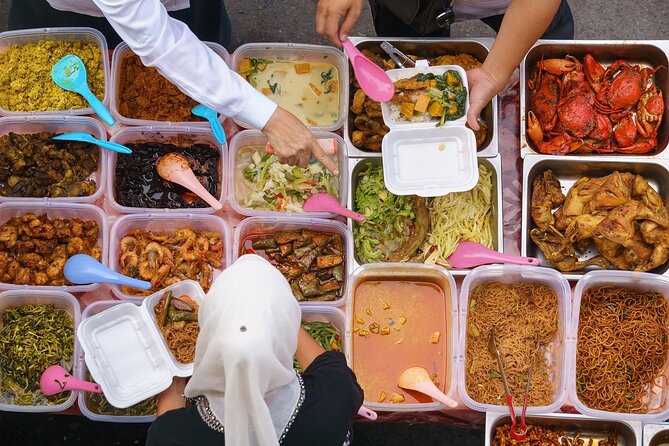
The final food stop takes you to a Chinese restaurant for Hokkien mee. This is a distinctive noodle dish and a more substantial savory finish after the sweets, fruit, and tea.
Hokkien mee gives the tour a proper final course rather than ending on dessert. It also lets you compare the restaurant preparation with the smaller snack portions earlier in the walk.
The exact style and serving details are not specified, so you should expect the host to explain what makes that restaurant’s version distinctive. The street-food location can also change if a particular stall is unavailable. The operator says the same type of authentic food experience will be provided, but the exact shop is not guaranteed.
What the three-hour format really gives you
The tour lasts about three hours, with each listed stop taking around 15 minutes. That means the experience is paced as a series of short introductions rather than a slow meal at one table.
I like this format for a first evening in Kuala Lumpur. You see several parts of Chinatown, try foods from different traditions, and get enough context to decide what you want to eat again later.
The tradeoff is that you should not expect long conversations at every shop. The group needs to keep moving, and some tastings will be quick. If you want an extended restaurant meal, this is not the right format.
The walking distance is roughly 2 to 3 kilometers. It is not presented as a strenuous hike, but you should still wear comfortable shoes and expect time on your feet. The schedule includes stops where you can relax and eat, which keeps the pace manageable for most people with moderate physical fitness.
A small group can make the food more personal
The maximum group size is 15 people. That is large enough for some social energy but small enough for a host to answer questions and monitor dietary needs.
Rayhan Raj Naidu is specifically praised for being friendly and for offering useful suggestions about traveling around Malaysia after the tour. That matters if you want more than a food checklist. A good host can explain what you are eating, help you order similar dishes later, and point you toward other places in the country.
Still, the group size can affect the feel of the experience. A full group may make tight food stalls and small restaurants feel less relaxed. A solo booking can also feel different from joining several other people, especially when portions are designed for sampling and sharing.
The tour has an average rating of 4.8 from six reviews, with particularly strong praise for the food variety and Rayhan’s service. That is a positive sign, but the review pool is small, so I would treat it as helpful evidence rather than a guarantee.
Is $104.80 good value?
At $104.80 per person, this is not a bargain food crawl. Kuala Lumpur has many inexpensive dishes, and you could spend much less by choosing your own stalls.
The price makes more sense if you value the guide, the planning, and the range of tastings. You are paying for seven food-focused stops, an English-speaking host, drinks and dessert tastings, bottled water, and a route that links Chinese, Malay, and Indian Muslim food traditions.
I would compare it with the cost of getting lost, ordering unfamiliar dishes without help, and missing the cultural connections between them. If you already know Kuala Lumpur well, speak confidently with vendors, and enjoy planning your own meals, the price may feel high.
For a first visit, the value is stronger. You get a structured introduction in one evening and can use the host’s suggestions to plan later meals. Just remember that hotel transport, alcohol, and additional beverages are extra.
Food rules, clothing, and practical details
Tell the operator about dietary requirements when booking. Halal and vegetarian options are available, but the host needs advance notice. If you have a serious allergy, explain it clearly before the tour starts and repeat it during the meet-and-greet.
The listed activity notes also mention clothing requirements for visiting a Hindu temple. Shoulders should be covered, and trousers or skirts should reach at least the knees. Shoes must be removed at the entrance, where lockers are available. The supplied route details do not clearly identify a temple stop, so dress modestly if that possibility concerns you.
The experience is available by mobile ticket, and booking confirmation is sent at the time of booking. You should provide a mobile number and the names of all participants so the host can contact you on the day.
Weather and safety rules can affect the timing. The street-food site may also change based on availability, though the same type of local food experience is promised.
Free cancellation is available if you cancel at least 24 hours before the 4 p.m. start time. Changes or cancellations made later are not accepted for a refund.
Who should book this Chinatown food walk?
I would recommend it to first-time visitors who want a guided introduction to Kuala Lumpur’s food culture without committing to a full-day activity. It suits people who enjoy tasting small portions, walking between stops, and hearing the story behind everyday dishes.
It also works well for solo visitors who want a planned evening and a local contact. Rayhan’s follow-up travel suggestions could be useful if you are continuing around Malaysia.
Families and older participants should consider the 2 to 3 kilometers of walking and the need to reach Central Market independently. Most people with moderate fitness should manage the route, but the format is not ideal for anyone who needs frequent seated breaks or has trouble walking on city streets.
Vegetarians and people following halal food rules can join if they provide notice. People with severe allergies should ask detailed questions before booking, since the experience includes several different food shops and shared culinary environments.
Should you book it?
Book this tour if you want a guided sampler of Chinatown and value local direction more than low-cost eating. The mix of bakkwa, apam balik, tofu fa, fruit, teh tarik, roti canai, and Hokkien mee gives you a broad introduction in three hours.
Skip it if you prefer choosing every dish yourself, want a long sit-down dinner, or consider $104.80 too much for tasting portions. For the best fit, arrive hungry, wear comfortable clothes and shoes, notify the host about dietary needs, and treat the walk as an orientation to Kuala Lumpur food rather than your only Chinatown meal.
FAQ
Where does the Chinatown food tour begin?
It begins at the entrance of Central Market Kuala Lumpur, near the information counter.
What time does the tour start?
The tour starts at 4 p.m. and lasts approximately three hours.
Where does the tour finish?
It finishes back at the original meeting point near Central Market.
How much walking is involved?
You should expect approximately 2 to 3 kilometers of walking, with stops to relax and eat.
What food and drinks are included?
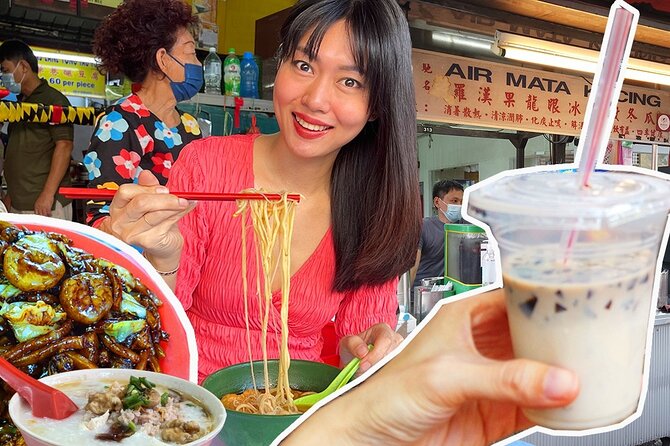
Included tastings feature bakkwa, Malaysian-style pancake, tofu fa, tropical fruit, teh tarik, roti canai, and Hokkien mee. Bottled water is also included.
Are halal and vegetarian options available?
Yes. Halal and vegetarian options are available, but you should advise the operator of your needs when booking.
Is hotel pickup included?
No. You need to arrange your own transport to Central Market. You can use a taxi, Grab, or public transport.
Just added around Kuala Lumpur
- Walk & Discover KL’s Architectural and Heritage Gems★ 5.0 · 7 reviews
- Private Transfer: Kuala Lumpur International Airport to or from Hotel★ 4.5 · 14 reviews
- Transit Tour Private Tour (Ex Port Klang Cruise Centre/KLIA 1 &2)★ 5.0 · 10 reviews
- Private Port Klang Cruise to Kuala Lumpur City Tour★ 5.0 · 3 reviews
- Private Kuala Lumpur Shore Excursions★ 4.5 · 22 reviews
- Kuala Lumpur City & Batu Caves Temple Private Tour★ 4.5 · 3 reviews
- Kuala Lumpur International Airport Transfers★ 5.0 · 4 reviews
- Kuala Lumpur Airport Transit Tour (4 hours)★ 5.0 · 12 reviews
Food & Drink, compared.
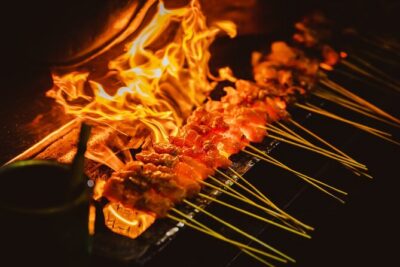
Sambal Streets Kuala Lumpur Food Tour with 15+ Tastings
Read our review →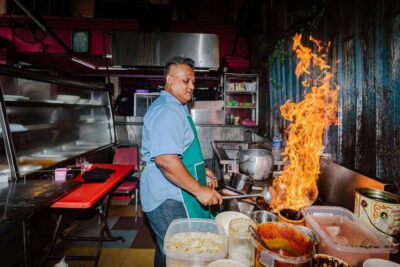
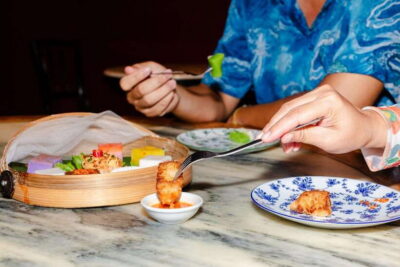
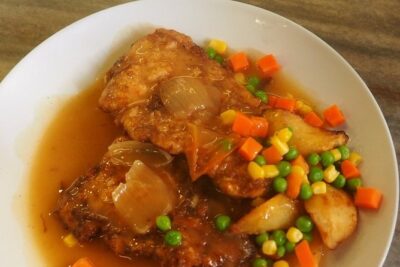
The 10 Tastings of Kuala Lumpur With Locals: Private Street Food Tour
Read our review →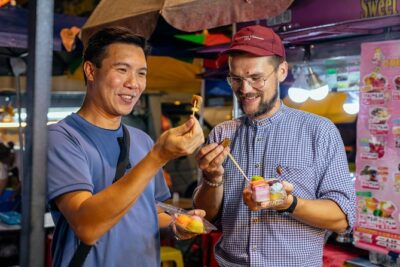
Kuala Lumpur Local Street Food Private Walking Tour by Night
Read our review →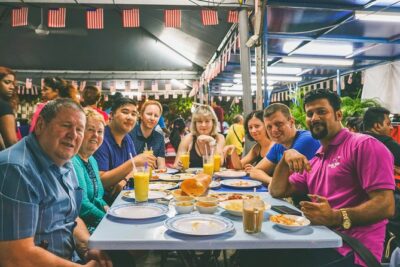
Eat Like a Local: Kuala Lumpur Hawker Center and Street Food Tour by Night
Read our review →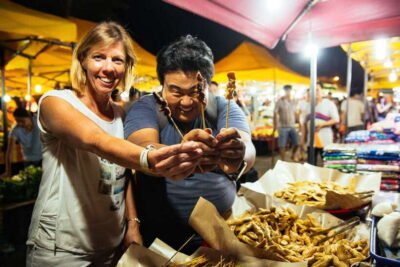
Good Morning Penang Food Tour with 15+ Tastings
Read our review →Browse the lists this tour appears in