
Reviewed · FOOD & DRINK
Sambal Streets Kuala Lumpur Food Tour with 15+ Tastings
Kuala Lumpur’s best food often appears in humble places, not polished tourist restaurants. This evening tour takes you through Chow Kit Market and the backstreets of old Kuala Lumpur, where you taste more than 15 Malaysian foods, drinks, and snacks with a local guide.
I like the maximum group size of eight, which keeps the walk personal, and I like the generous amount of food for the price. Guides such as Stephen, Jay, Kiran, and Taj are praised for explaining ingredients, customs, and history as they go.
The main catch is simple: come very hungry. The pace is steady, the tastings add up quickly, and the route uses ordinary city streets that can be awkward in rain. This tour also is not a good fit for vegetarians or anyone with a severe food allergy.
Key points to know before you book
- More than 15 tastings: Expect a broad sample of Malaysian food rather than one large restaurant meal.
- Chow Kit after dark: The tour focuses on local markets, neighborhood eateries, and less-visited parts of Kuala Lumpur.
- Small group of eight: You get more room to ask questions and more direct help from your guide.
- Guides who explain the food: Stephen, Jay, Kiran, Karin, and Taj are among the guides praised for their clear food and cultural explanations.
- Four hours, ending by the Petronas Towers: The route begins near Chow Kit and finishes close to the towers, making it easy to continue your evening.
- Halal food with limits for special diets: Alcohol is not included, and vegetarians, pescatarians, and people with serious allergies need to think carefully before booking.
Starting near Chow Kit Market
The tour begins at the Hilton Garden Inn Kuala Lumpur Jalan Tuanku Abdul Rahman South in Chow Kit. You do not receive hotel pickup, so you need to make your own way to the start point. The location is near public transportation, which helps, but the return trip is also your responsibility.
This is a useful starting area for a food tour because Chow Kit feels like a working part of Kuala Lumpur rather than a purpose-built visitor zone. The route takes you into older streets and local food spots, giving you a look at how people eat when they are choosing food for everyday life.
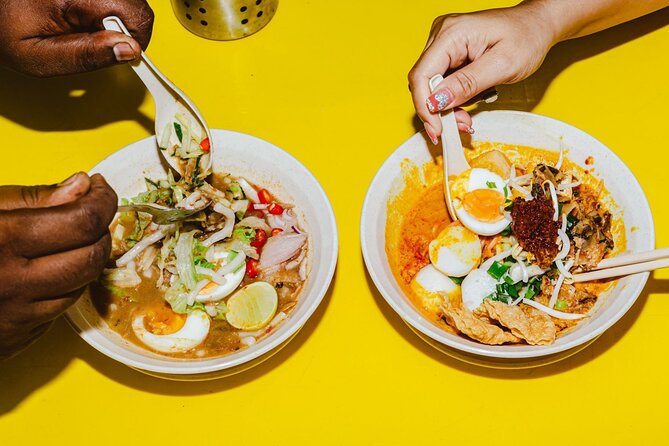
The exact menu can change. That is normal for a street food tour, especially one built around small vendors and market stalls. You may encounter grilled chicken satay with peanut sauce, fresh tropical fruit, local drinks, nasi lemak, grilled fish, roti, and other Malaysian dishes. Some tours have included durian, mangosteen, pineapple, mango smoothies, tea, and char-grilled mackerel.
That variety is one of the strongest reasons to book. Malaysian cooking draws from Malay, Indian, and Chinese traditions, and the food can shift sharply from one stop to the next. You might move from smoky grilled meat to coconut rice, then to a sweet fruit or a spicy dish. A food tour lets you sample across that range without having to guess what to order.
More Food Tours in Kuala Lumpur
- Kuala Lumpur: Sambal Street Food Tour with 15+ Tastings
★ 4.9 · 1,657 reviews - The 10 Tastings of Kuala Lumpur With Locals: Private Street Food Tour
★ 5.0 · 249 reviews - Kuala Lumpur Local Street Food Private Walking Tour by Night
★ 4.5 · 224 reviews
The first hour: getting into the food
The opening hour is spent around Kuala Lumpur’s older streets, with the guide setting the pace and introducing the first foods. This early section matters because it gives you a framework for the rest of the meal. Instead of simply handing you a plate, the guide can explain what you are eating, how it is prepared, and where it fits into Malaysian food culture.
Guides named in the tour feedback include Stephen, Jay, Kiran, Karin, and Taj. Their styles may differ, but the strongest pattern is clear: this tour depends heavily on the guide. You are not just following a route from one snack to another. You are getting explanations about ingredients, traditions, local history, and the social role of food.
Stephen is praised for being entertaining and for connecting dishes with Malaysian culture. Jay is noted for checking spice tolerance and helping with dietary needs where possible. Kiran and Karin are praised for their enthusiasm and detailed explanations. Taj is described as a strong host who keeps the food coming. Your own guide will determine the rhythm, but the small group gives you a good chance to ask questions.
The first part also helps you judge your appetite. The food is not served as a formal sequence of courses. You may receive small portions at several locations, with walking between stops. Even so, the total amount can be substantial. One reported tour reached about 19 tastings, and the tour can run longer than the advertised four hours.
Chow Kit Market and the local food stops
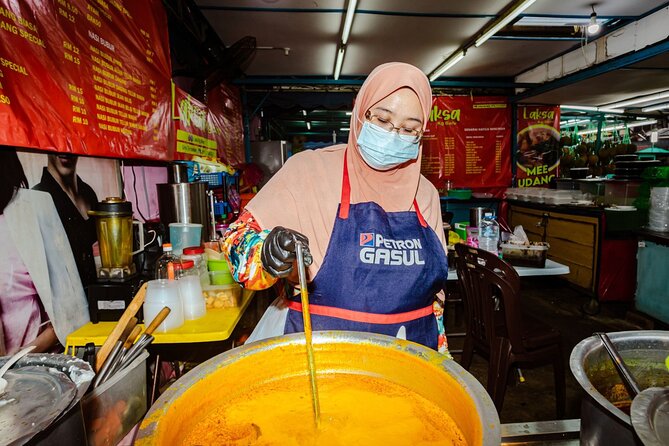
The central two hours take place around Chow Kit Market and nearby eateries. This is the heart of the experience. You get the market atmosphere, the movement of people shopping and eating, and the chance to see food being served in places that are part of the neighborhood’s normal routine.
The tour mixes market stops with sit-down food locations. That balance is important. Markets offer a quick look at ingredients and prepared foods, while restaurant stops give you a place to pause, eat properly, and hear more from the guide.
You should expect food to be served in tasting portions, but do not confuse small portions with a light meal. Fifteen or more samples can fill you quickly, especially when the group reaches heavier foods such as rice, bread, grilled meat, or fried items. Several people have needed to share dishes halfway through the tour. I would eat very little beforehand and bring water, even though bottled water and local soft drinks are included.
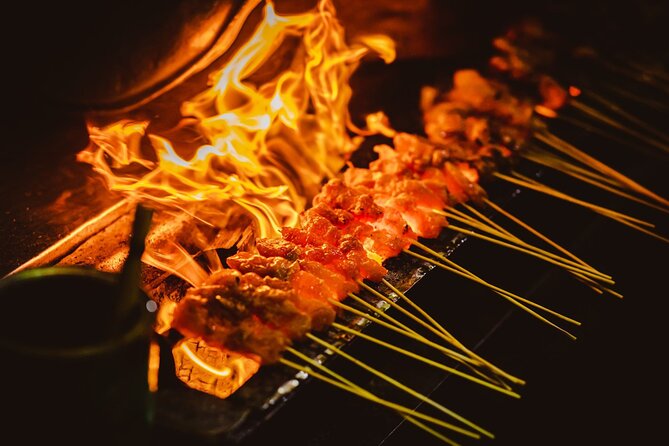
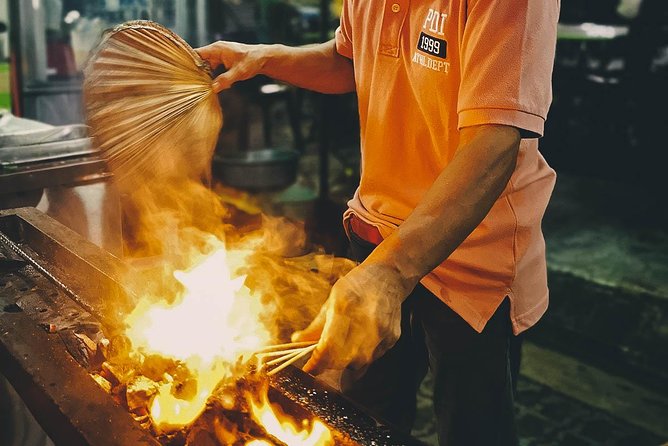
A likely highlight is grilled chicken satay, cooked over a flame and served with peanut sauce. Satay is familiar to many people, but it tastes different when eaten fresh and hot rather than ordered as a generic starter. Other possible highlights include char-grilled mackerel, nasi lemak, and roti prepared fresh on a griddle.
The roti stop can be especially fun because the food is not only placed in front of you. You may have a chance to take part in making it. The dish is simple, but watching the dough being handled and eating it fresh gives the stop more character than another prepared sample would.
The fruit tastings add a welcome change of pace. Mangosteen, pineapple, and durian have all featured in accounts of the tour. Durian is the food most likely to divide the group. If you have never tried it, this is a low-risk way to do so, since you can taste a portion rather than buy a whole fruit.
The drinks matter too. Local soft drinks are included, and tastings have included tea and mango smoothies. These give you a break from the savory food, though the amount of tea or other drinks can make the meal feel even larger.
What the walking is really like
This is a walking food tour, not a bus tour with occasional stops. You move between eateries, stalls, and market areas, and the route can include uneven or difficult streets. Comfortable shoes are a must.
The walking is useful because it gives you time to let some of the food settle. It also puts the stops into context. You are not being taken from one isolated restaurant to another; you are moving through parts of Kuala Lumpur that many first-time visitors might skip.
Still, do not expect a smooth sightseeing walk. Rain can make the streets less comfortable, and the tour operates in all weather. Kuala Lumpur’s rainy season is a good time to carry an umbrella or light rain jacket. One person who forgot both was caught in the rain but still found the outing worthwhile. I would not leave that choice to luck.
The route is not described as strenuous, and most people can participate. But four hours on your feet, combined with a large amount of food, can feel tiring. If you have limited mobility, ask the provider for current route details before booking rather than assuming every stop will be easy to reach.
Same base, a completely different kind of day:
- Kuala Lumpur: Batu Caves Half-Day Tour with Pick-Up Option
★ 4.5 · 4,288 reviews - Private Half-Day Batu Caves and Cutural Tour in Kuala Lumpur
★ 5.0 · 3,107 reviews - From Kuala Lumpur: Batu Caves Cultural Temple Tour
★ 4.7 · 1,453 reviews - Kuala Lumpur: Petronas Twin Towers Entry E-Ticket
★ 4.6 · 1,229 reviews
Ending near the Petronas Twin Towers
The final hour brings you back toward central Kuala Lumpur and ends near NZ Curry House on Jalan Ampang, close to the Petronas Twin Towers. This is a smart finish. You end in one of the city’s most recognizable areas, with the towers in view and plenty of options for continuing your evening.
The ending also solves one common problem with neighborhood food tours. You begin in Chow Kit, but you do not finish stranded there. The guide can help you arrange transport back to your hotel, although that transport is not included.
Depending on the pace and group, the tour may finish later than four hours. A 5:30 p.m. start has ended around 9:45 p.m. for some groups. Keep your evening open and do not book a fixed dinner reservation immediately afterward.
Is the $55 price good value?
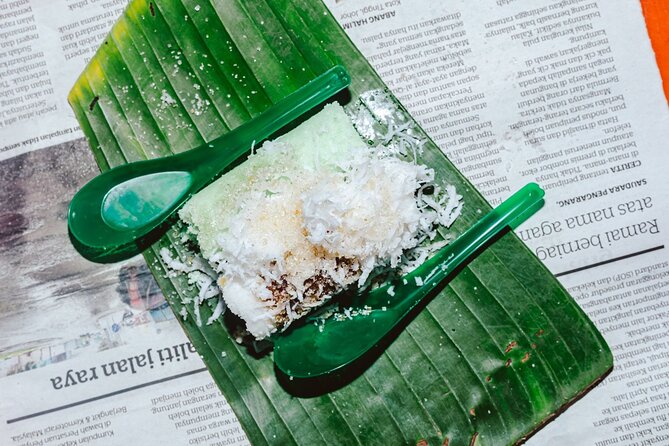
At $55 per person, this is not the cheapest way to eat in Kuala Lumpur. You can buy individual street foods for very little money. The value here comes from the range of tastings, the guide, the route, and the confidence of knowing what you are eating.
If you tried to order 15 or more foods on your own, you would face several problems. You would need to know where to go, decide what to order, manage portion sizes, and understand how the dishes differ. You might also miss neighborhood stops because you stayed near the main tourist areas.
The tour includes more than 15 food tastings, bottled water, and local soft drinks. Alcohol costs extra and is not included. When you count the quantity of food, the four-hour duration, and the small group, the price is fair for someone who wants a guided introduction rather than a cheap meal.
The value is weaker if you are a confident Kuala Lumpur eater who already knows the city’s food districts. It is also weaker if you do not eat much, dislike trying unfamiliar foods, or need to avoid many ingredients. You pay for breadth, so the experience works best when you want to sample widely.
Dietary limits you should take seriously
The tour is fully halal, which is useful for guests who require halal food. It is not suitable for vegetarians because the street vendors offer limited meat-free choices.
Pescatarians may need to skip one or two tastings. Other dietary restrictions can also mean missing dishes. The guide may be able to adjust some choices, but you should not expect a fully customized menu.
Severe food allergies are a serious concern. The tour takes place around street food vendors, where ingredients, preparation surfaces, and traces may be difficult to control. The experience can work for some gluten intolerances if traces are acceptable, but it is not appropriate if even small traces create a health risk.
Tell the provider about dietary needs when you book, then remind your guide at the start. If you have a strict allergy, I would choose a tour built around controlled restaurant kitchens instead.
Who will enjoy this Kuala Lumpur food tour?
I would choose this tour if you want to learn through eating and prefer local neighborhoods to a polished restaurant setting. It suits first-time visitors who want a fast introduction to Malaysian food, especially if you are unsure what to order on your own.
It is also a good choice for couples, solo visitors, and small groups who enjoy meeting other people. With no more than eight people, it is large enough for conversation but small enough for the guide to keep track of everyone.
Families with older children may enjoy it, though the food volume and walking time are worth considering. People who need a quiet, slow meal may find the four-hour sequence too busy.
You should also book this only if you are comfortable with unfamiliar tastes. The menu can include foods such as durian and strong local flavors. Not every sample will be your favorite, and that is part of the point. The tour gives you a chance to try rather than requiring you to commit to a full serving.
Small details that make the evening better
Wear comfortable walking shoes. The streets can be rough, and you will be on your feet for much of the evening.
Bring an umbrella or rain jacket during the wet season. The tour runs in poor weather, and rain may affect the walking even if it does not ruin the food.
Arrive hungry, but not dehydrated. There is plenty to eat, and water is included, yet a full meal before the tour will work against you.
Keep your schedule flexible. Four hours is the estimate, but some outings have lasted longer. The tour begins at 5:30 p.m. for at least some departures and can finish close to 10 p.m.
Think of the tour as a guided tasting route, not a promise of 15 exact dishes. Vendors and menus can change, so the food list is likely to vary.
Free cancellation is available if you cancel at least 24 hours before the start time. Changes or cancellations inside that window are not accepted for a refund.
Should you book it?
Book this tour if you want a large, varied meal with cultural context, and you are happy to walk through ordinary Kuala Lumpur streets after dark. The combination of Chow Kit Market, local eateries, more than 15 tastings, and a maximum of eight people gives you much more direction than wandering alone.
Skip it if you are vegetarian, have a severe allergy, dislike shared tasting portions, or want a short and gentle evening. Also think twice if you already know Kuala Lumpur’s food scene well.
For most curious eaters, the $55 price is reasonable because you are paying for access, explanation, and a route that would be hard to arrange efficiently on your own. Bring an umbrella, leave room in your stomach, and expect to finish near the Petronas Towers full, informed, and probably still thinking about the fruit.
FAQ
How long does the Sambal Streets Kuala Lumpur Food Tour last?
The tour lasts approximately four hours, although some outings may run longer than that.
How many food tastings are included?
More than 15 tastings are included. One reported selection contained 19 tastings, but the exact menu can vary.
Where does the tour begin?
The meeting point is the Hilton Garden Inn Kuala Lumpur Jalan Tuanku Abdul Rahman South at 452, Jalan Tuanku Abdul Rahman, Chow Kit, Kuala Lumpur.
Where does the tour end?
The tour ends near NZ Curry House on Jalan Ampang, close to the Petronas Twin Towers.
What is the maximum group size?
The tour is limited to a maximum of eight people.
Are drinks included?
Bottled water and local soft drinks are included. Alcoholic drinks are not included.
Is the tour suitable for vegetarians?
No. The tour is not suitable for vegetarians because street vendors offer limited vegetarian choices.
Is the food halal?
Yes. The tour is fully halal.
What happens if it rains?
The tour operates in all weather conditions. You should dress appropriately and bring an umbrella or rain jacket during the rainy season.
Just added around Kuala Lumpur
- Walk & Discover KL’s Architectural and Heritage Gems★ 5.0 · 7 reviews
- Private Transfer: Kuala Lumpur International Airport to or from Hotel★ 4.5 · 14 reviews
- Transit Tour Private Tour (Ex Port Klang Cruise Centre/KLIA 1 &2)★ 5.0 · 10 reviews
- Kuala Lumpur City & Batu Caves Temple Private Tour★ 4.5 · 3 reviews
- Private Port Klang Cruise to Kuala Lumpur City Tour★ 5.0 · 3 reviews
- Private Kuala Lumpur Shore Excursions★ 4.5 · 22 reviews
- Kuala Lumpur International Airport Transfers★ 5.0 · 4 reviews
- Kuala Lumpur International Airport Layover Tour★ 4.0 · 12 reviews
Food & Drink, compared.
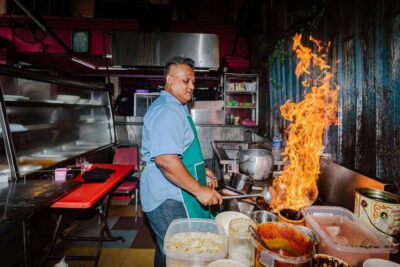
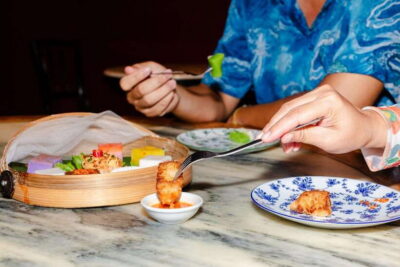
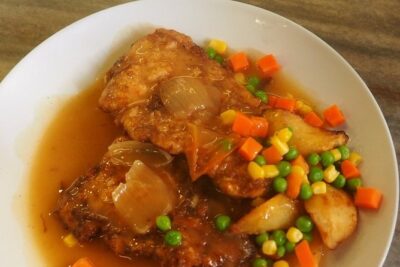
The 10 Tastings of Kuala Lumpur With Locals: Private Street Food Tour
Read our review →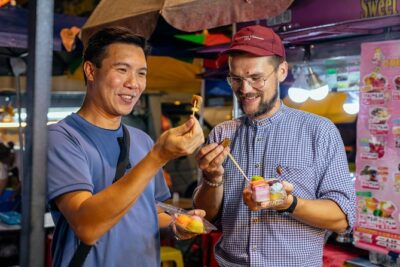
Kuala Lumpur Local Street Food Private Walking Tour by Night
Read our review →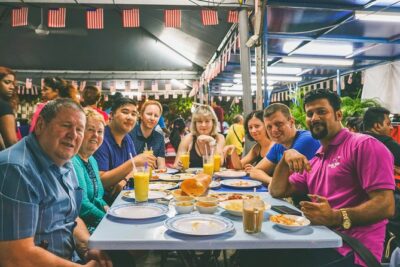
Eat Like a Local: Kuala Lumpur Hawker Center and Street Food Tour by Night
Read our review →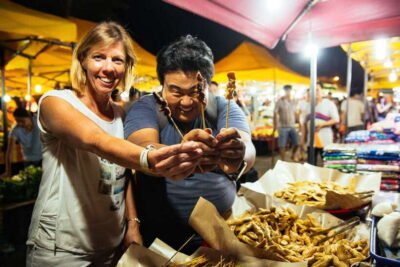
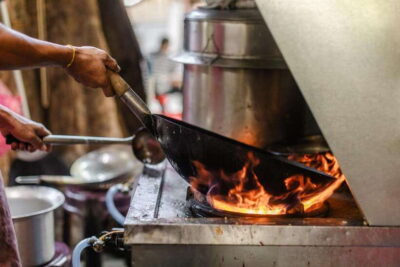
Good Morning Penang Food Tour with 15+ Tastings
Read our review →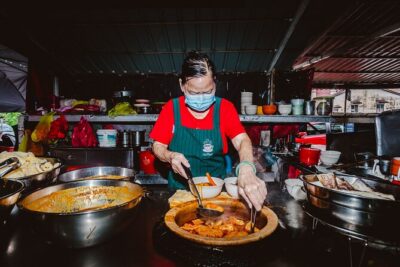
Laksa Lanes Kuala Lumpur Food Tour with 14+ Tastings
Read our review →Browse the lists this tour appears in