
Reviewed · IPOH & PERAK TOURS
Ipoh Cave Temples Tours
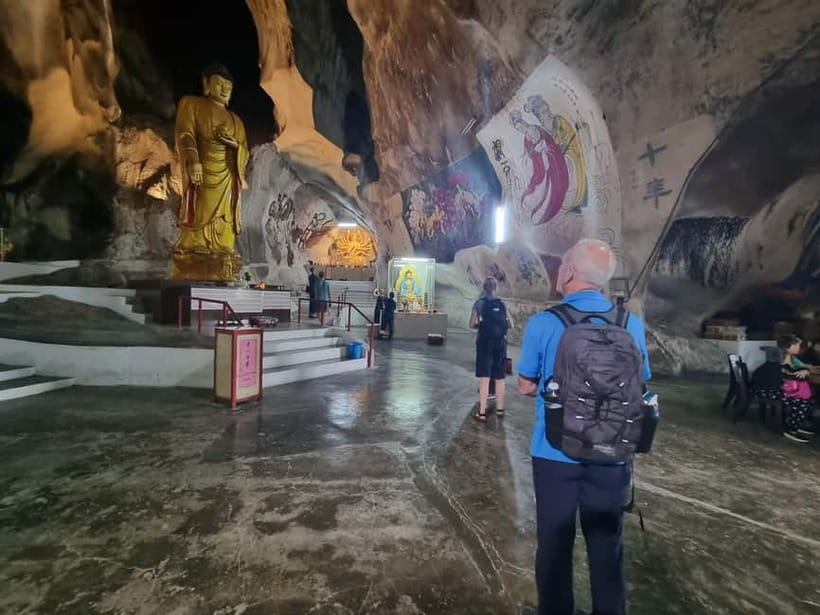
Ipoh’s cave temples are not three versions of the same stop. One gives you a 450-step climb and broad views, another keeps its stalactites and stalagmites close to nature, and the oldest has details more often associated with China. I like that contrast, along with the relaxed pace that lets you look around instead of being hurried from one photo stop to the next.
I also like the practical touches: hotel pickup, small bottles of water, and local breakfast when your accommodation does not provide one. Guide Fazly, also spelled Fazli in some feedback, is a big part of the experience, especially if you enjoy food tips, jokes, and clear answers. The main drawback is that some cave areas can look worn and untidy, and the 450 steps require a fair bit of effort.
Key points at a glance
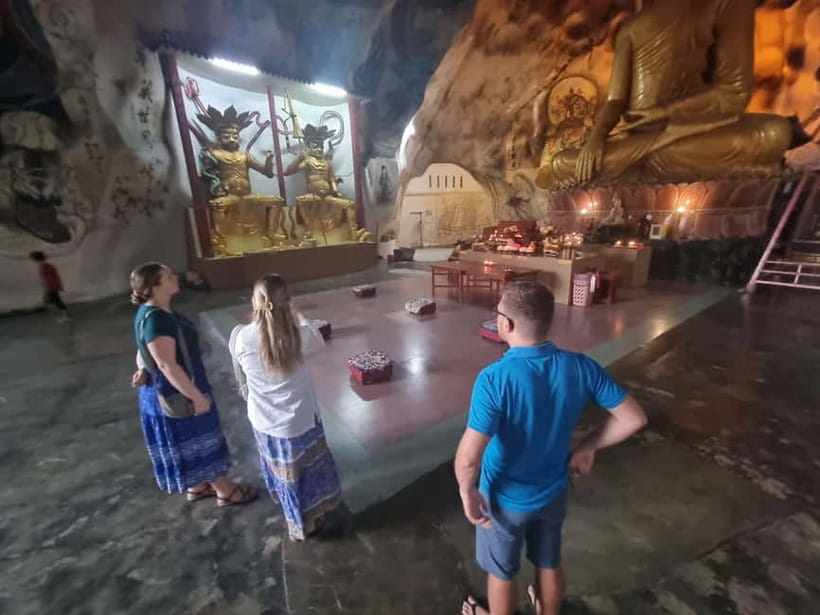
- Three very different cave temples: See a hilltop shrine, natural cave formations, and an older temple with strongly Chinese-style details.
- A 450-step viewpoint: Climb to the top for views across Ipoh, with time to take photographs.
- A patient English-speaking guide: Fazly is known for humor, local knowledge, and helping families and solo visitors alike.
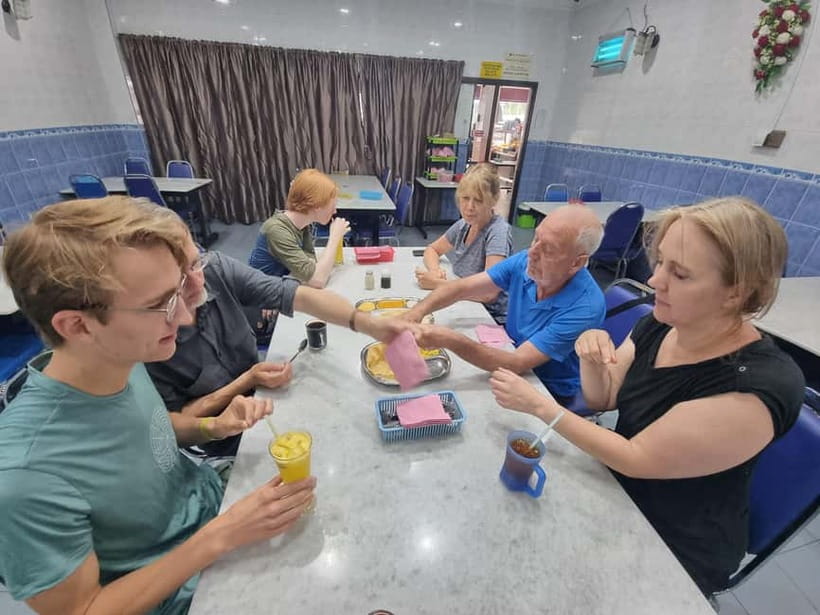
- Local food along the way: Breakfast, snacks, white coffee, and other local tastes may form part of the day.
- Mirror Lake adds a quiet finish: Pay RM30 at the counter for entry, with a possible boat ride and café stop.
- A flexible pace: You get time to explore the caves, take pictures, and notice details without being rushed.
Why Ipoh’s cave temples make a strong half-day plan
Ipoh is well known for limestone hills, and its cave temples make use of those natural chambers in very different ways. This tour brings three of the city’s key examples into one outing, so you do not have to sort out separate transport or work out how to connect distant stops.
The appeal is variety. You may begin in a large temple space filled with religious images, move on to a cave where rock formations are the main attraction, then finish at an older site whose architecture has a distinctly Chinese character. The result feels more worthwhile than visiting several temples that all offer the same view.
I particularly like the unhurried approach. You are encouraged to take photographs and appreciate the cave surroundings at your own speed. That matters here because the temples are not just quick postcard stops. Light, rock shapes, stairways, statues, and painted details all reward a few extra minutes.
The outing also gives you a local guide rather than only a driver. Fazly has been praised for being funny, friendly, and easy to talk with. He can explain what you are seeing, answer questions about local culture, and offer useful advice for the rest of your time in Malaysia.
A few more Ipoh & Perak half-days to weigh up
- Ipoh Gua Tempurung, Caves Temples, Mirror Lake and Castle Tours
★ 5.0 · 57 reviews - Private Tour: Ipoh Secrets Full Day Heritage Tour from Ipoh
★ 5.0 · 43 reviews - Ipoh Heritage & Orang Utan Island Day Tour from Kuala Lumpur
★ 4.0 · 32 reviews
Perak Tong and the 450-step climb
Perak Tong is one of the most memorable stops because it combines a cave temple with a physical climb. You will have time to look around the temple before tackling roughly 450 steps toward the top.
That climb is not a tiny staircase for a quick photo. It is a genuine workout, especially in warm weather. Still, it is described as doable, and the reward is a high view over Ipoh and the surrounding area. Wear proper shoes, take your time, and do not treat the steps as a race.
I like the way this stop gives the tour a sense of progress. You start among the cave interiors, then work your way upward into open air. The change in setting helps you understand how the temples relate to the limestone hills rather than seeing them as buildings placed beside a road.
The viewpoint is also one of the best reasons to bring a camera. You will have a different angle on Ipoh than you get from street level, and the climb itself gives you changing views as you rise.
The practical warning is simple: the steps may not suit everyone. If you have trouble with long stairways, ask Fazly about the pace and what you can see without completing the climb. The tour information does not promise an alternative route to the top, so it is sensible to plan around your own comfort.
A cave kept close to its natural form
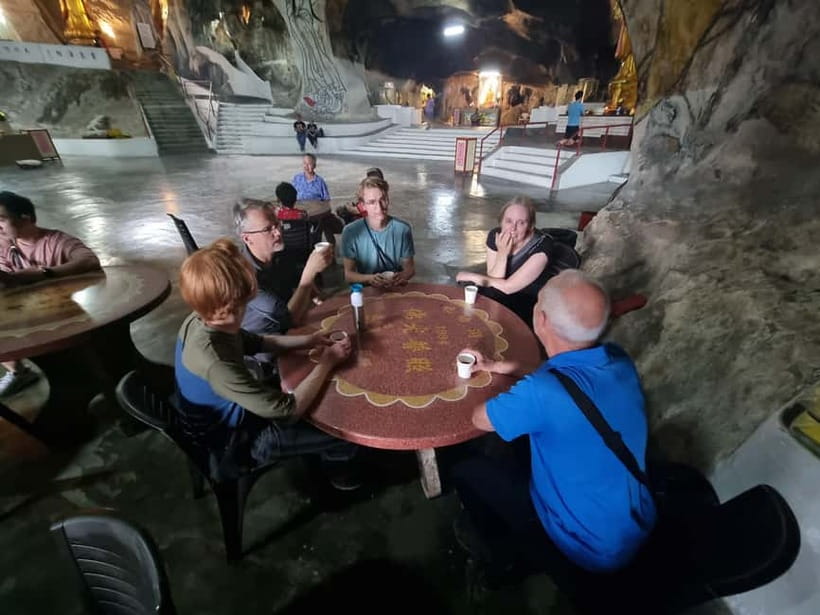
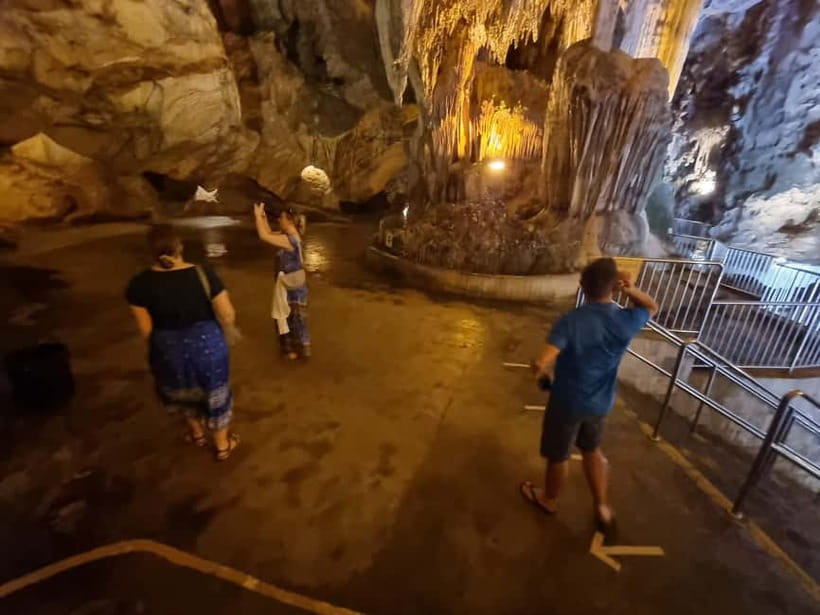
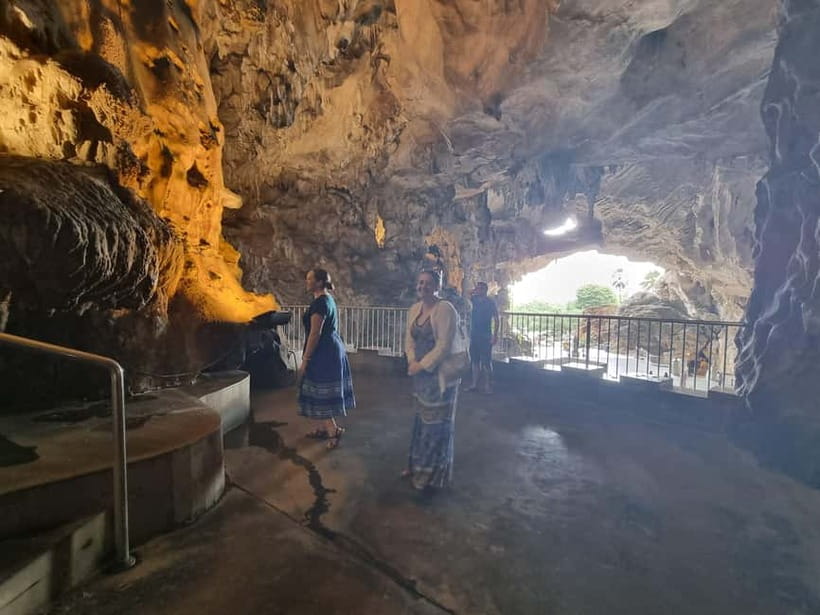
The second temple offers a different mood. Here, stalactites and stalagmites are a key part of the setting, and the cave has been kept in a more natural state.
That makes this stop less about a climb and more about looking carefully. Rock formations can be easy to miss when you rush through a cave, especially when there are religious decorations and other visual details competing for attention. A guide helps point out what matters, but the slow pace gives you room to form your own impression.
The temple may feel less polished than a purpose-built attraction. That is part of the trade-off. Some people will appreciate the rougher, more natural character, while others may find the cave areas a little worn. If you prefer highly restored sites, keep your expectations realistic.
I like that the three-stop plan includes this sort of contrast. You are not only seeing religious art or architecture. You are also seeing how nature shapes the space and how a place of worship works around the cave rather than replacing it.
The oldest temple and its Chinese-style details
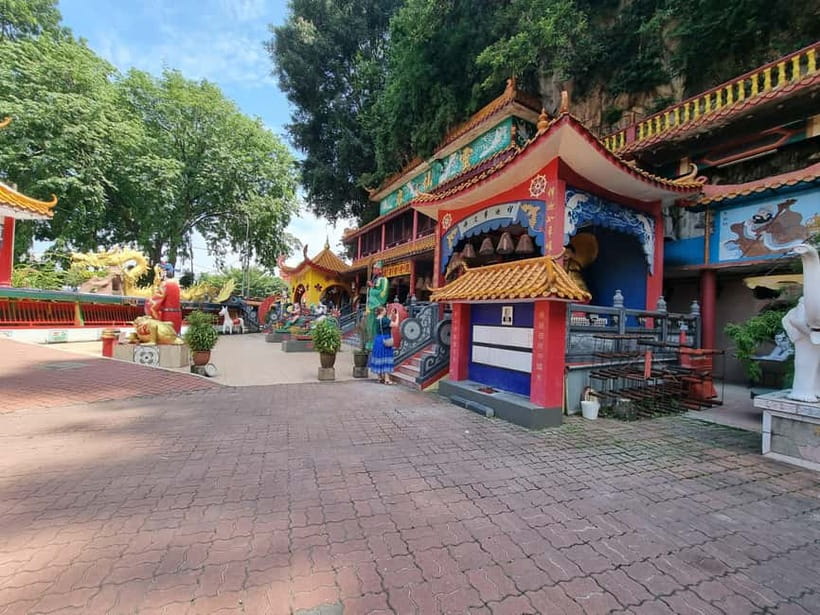
The final cave temple is described as the oldest of the three in Ipoh. Its structure includes features associated more strongly with China, making it a useful stop for understanding the cultural roots behind these places of worship.
This is the temple to examine slowly. Look at the layout, carved or painted details, and the way the building fits into the cave. The point is not simply that it is old. Its value comes from the combination of age, religious use, and architectural character.
The three sites are different enough that you should avoid comparing them only by size or decoration. One is strongest for the climb and view, one for cave formations, and one for its older Chinese-style structure. Together, they give you a broader picture of Ipoh’s temple tradition.
Some parts may look garish to visitors used to restrained European church interiors. That is not a flaw so much as a difference in visual language. Bright colors, religious figures, and busy decoration are part of the experience. Go with curiosity, and remember that these are active cultural places, not just photo sets.
Same base, a completely different kind of day:
- From Kuala Lumpur: Full-Day Tour to Ipoh
★ 4.4 · 25 reviews - Ipoh Private Day Trip from Kuala Lumpur with Lunch
★ 4.5 · 16 reviews - Ipoh Historical & Food Day Tour from Kuala Lumpur (Private Tour)
★ 4.5 · 14 reviews - Full Day Private Ipoh Tour
★ 5.0 · 12 reviews
Mirror Lake is a calm extra stop
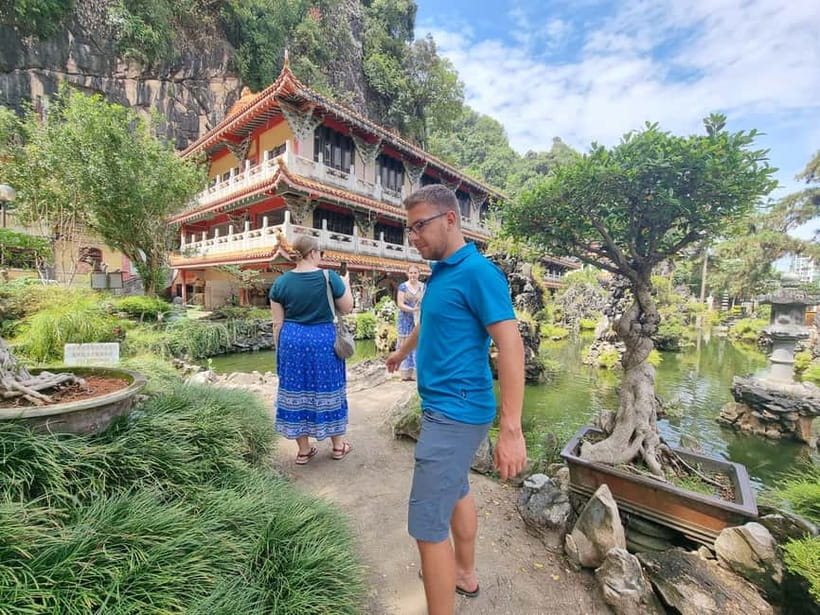
Mirror Lake is included as part of the day, but its entry ticket is separate. The stated cost is RM30 per person, paid at the counter.
That extra fee is worth considering when you compare tour costs. You are not paying the guide for another temple alone. You are adding a quieter nature stop, and the experience can include a boat ride across the lake. The water and surrounding rock create a peaceful change after the temples and the 450-step climb.
A café beside the lake is another useful part of the stop. White coffee is a local favorite, and this is a good place to try it with food rather than treating it as a quick drink between attractions.
The reviews also point to the café’s food as a highlight. I would plan to sit down if time allows, especially if you have been climbing or have started early. The lake gives the day a softer ending, with a chance to rest instead of moving straight from one temple to the next.
Keep in mind that the supplied details do not give a full schedule for the boat ride or specify exactly how long you stay at Mirror Lake. Treat it as an included visit with an additional entry cost, not as a guaranteed long boat excursion.
Breakfast, snacks, fish, and local food
Pickup is provided from your hotel or accommodation. If your stay does not include breakfast, the tour can include a local-style breakfast, which is a useful detail for an early start.
Food is not presented as a formal cooking tour, but it appears to be an important part of the day. Fazly has been praised for bringing out snacks and introducing local foods along the route. You may also have the chance to feed fish and turtles, adding a simple hands-on moment for families.
One account also includes a visit to a pomelo farm. Since the main tour description does not list this as a fixed stop, I would ask when booking if it matters to you. It may depend on the day, timing, or the guide’s route.
This food element helps the outing feel connected to Ipoh rather than reduced to a checklist of temples. You get the major sights, but you may also taste something local and hear practical suggestions for eating elsewhere in the city.
What Fazly adds to the day
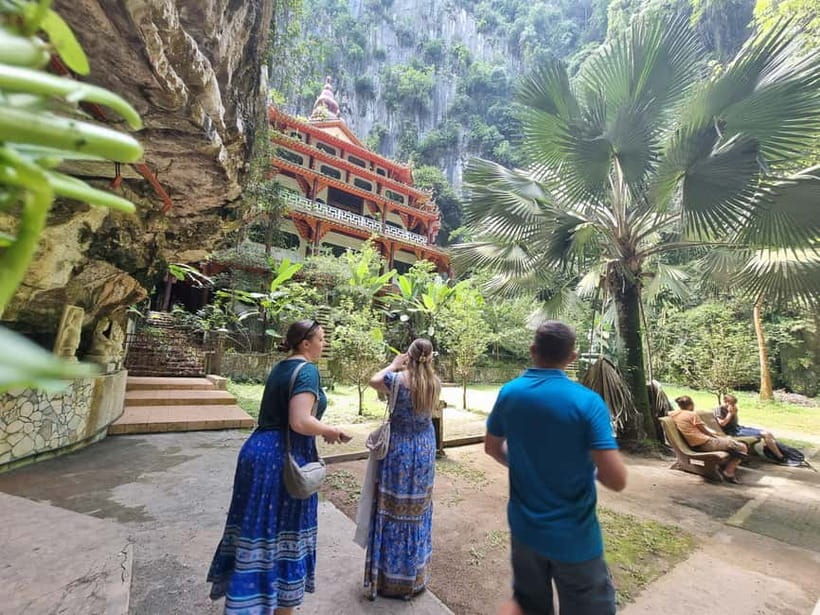
The strongest thread running through the feedback is the guide. Fazly is repeatedly described as friendly, funny, professional, and accommodating. He has also helped with onward travel tips, which can be valuable if Ipoh is only one part of your Malaysia trip.
His style seems especially suited to people who want explanation without a lecture. He can walk with you, answer questions, point out details, and give you time to explore alone. Families may appreciate the attention to children, including snacks and chances to feed animals.
A guide cannot remove every rough edge from the temples. Rubbish and worn areas may still be visible, and some decoration may not suit every taste. What a good guide can do is place those details in context and keep the day comfortable.
If you want a completely private, silent visit with no conversation, this may not be the best match. If you want company, local food suggestions, cultural background, and a flexible pace, Fazly’s approach fits well.
Who should book this experience
I would recommend this tour to first-time visitors to Ipoh who want to see the main cave temples without arranging several separate trips. It also suits anyone who enjoys a mix of culture, nature, light exercise, and food.
Families can benefit from the hotel pickup, included water, relaxed timing, and small activities such as feeding fish and turtles. The 450-step climb is the main point to think about. Children and adults who are comfortable with stairs should find it manageable at a steady pace, but nobody needs to prove anything at the viewpoint.
Photographers will enjoy the changing settings: dark cave interiors, colorful temple details, rock formations, stairways, and the open view above Ipoh. Bring comfortable shoes and clothes rather than dressing for a formal city outing.
The tour is less suited to visitors who want immaculate restoration, a tightly timed luxury itinerary, or no stair climbing at all. The caves have real-world wear, and the experience is better when you accept that these are working religious sites with uneven visual appeal.
Value, cost, and practical planning
The tour price itself is not provided, so I cannot judge the full cost in ringgit. The value comes from what is bundled: hotel pickup, an English-speaking guide, local breakfast when needed, water, three cave temple visits, and Mirror Lake.
You should add RM30 per person for Mirror Lake entry. That is the one clearly stated extra fee. The possible boat ride, café stop, local food, and guide support make the extra visit more than a quick photo stop, but you should still budget for your own food and any additional purchases.
Book with comfortable walking shoes. The stairs, cave floors, and general sightseeing are easier when your feet are supported. Light, comfortable clothes will also make the climb and warm conditions more pleasant.
You can reserve now and pay later, which helps if your route through Malaysia is still changing. Cancellation is allowed up to 24 hours in advance for a full refund, giving you a little breathing room when plans shift.
My verdict: a good choice for a personal look at Ipoh
Book this tour if you want the main cave temples explained by a warm local guide, with enough time for photographs and a few food-based surprises. Fazly’s humor, patience, and practical help appear to be the strongest part of the experience.
The three temples are worth seeing because they are not interchangeable. You get the 450-step view at Perak Tong, natural cave formations at another stop, and older Chinese-style structure at the third. Mirror Lake then gives you a quieter finish, though you should remember the separate RM30 ticket.
Skip it if you dislike stairs, prefer polished attractions, or want a strict itinerary with every stop guaranteed in minute-by-minute detail. For most visitors with a morning or day to spare in Ipoh, the mix of caves, culture, food, and local company offers good value.
FAQ
Which cave temples are included?
The experience visits three of Ipoh’s main cave temples. Perak Tong is specifically associated with the 450-step climb, while the other two feature natural stalactites and stalagmites and older Chinese-style temple details.
Is Mirror Lake included?
Mirror Lake is included in the visit, but its entry ticket is extra. The stated fee is RM30 per person, paid at the counter.
Is hotel pickup provided?
Yes. Pickup is provided from your hotel or accommodation.
Is breakfast included?
If your accommodation does not provide breakfast, the tour includes a local-style breakfast.
How difficult is the 450-step climb?
One temple requires about 450 steps to reach the top and view Ipoh. Comfortable shoes and clothes are recommended, and you should take the climb at your own pace.
What language does the guide speak?
The tour is conducted in English. The guide is Fazly, whose role includes explaining the temples and helping you make the most of the visit.
Just added around Ipoh & Perak
- Ipoh Private Day Trip from Kuala Lumpur with Lunch★ 4.5 · 16 reviews
- Orang Utan Island and Perak Tong Cave Temple Day Tour from Kuala Lumpur★ 4.5 · 11 reviews
- Orang Utan Island Day Tour (Bukit Merah)★ 4.0 · 5 reviews
- Orang Utan Island Day Tour (Private)★ 4.5 · 4 reviews
- Ipoh Day Trip From Kuala Lumpur★ 5.0 · 5 reviews
- Ipoh Historical & Food Day Tour from Kuala Lumpur (Private Tour)★ 4.5 · 14 reviews
- Ipoh Caves, Heritage And Cave Temple Tour From Kuala Lumpur★ 4.0 · 7 reviews
- Private Tour: Ipoh Secrets Taiping Heritage & Orang Utan Island★ 4.5 · 6 reviews
Ipoh & Perak Tours, compared.
Ipoh Gua Tempurung, Caves Temples, Mirror Lake and Castle Tours
Read our review →
Private Tour: Ipoh Secrets Full Day Heritage Tour from Ipoh
Read our review →
Ipoh Heritage & Orang Utan Island Day Tour from Kuala Lumpur
Read our review →
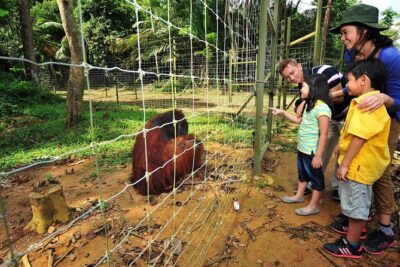
Ipoh Private Day Trip from Kuala Lumpur with Lunch
Read our review →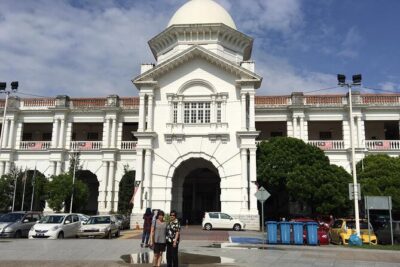
Ipoh Historical & Food Day Tour from Kuala Lumpur (Private Tour)
Read our review →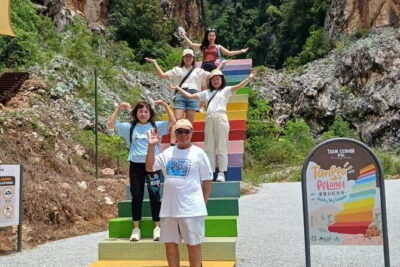
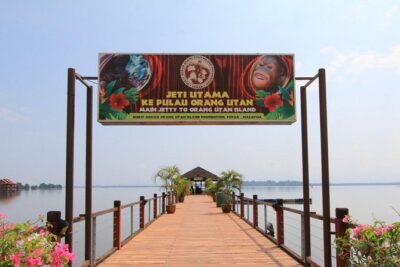
Orang Utan Island and Perak Tong Cave From Kuala Lumpur
Read our review →Browse the lists this tour appears in