
Reviewed · MUSEUMS
Penang: Wonderfood Museum Entry Ticket
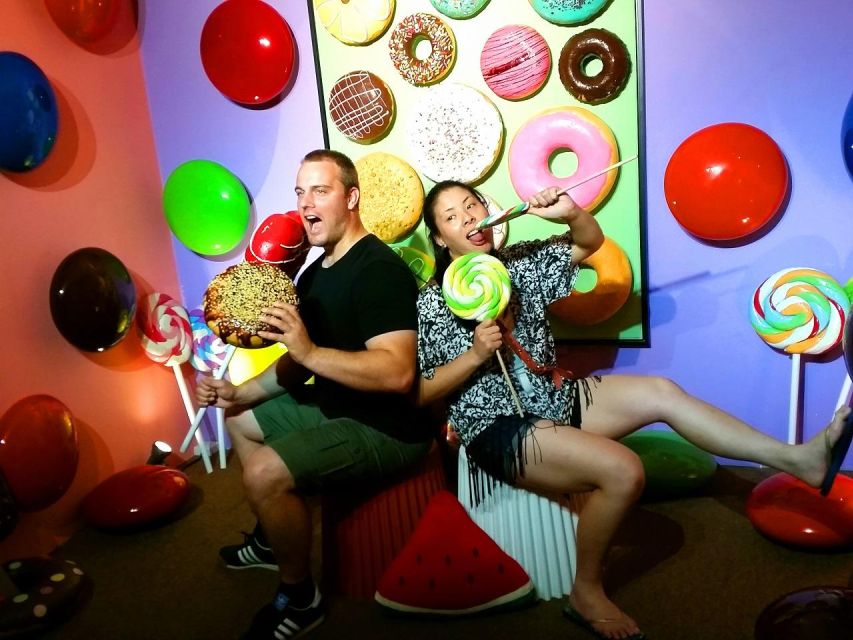
Penang Wonderfood Museum turns food into a visual show, with giant bowls, plates, and local dishes built large enough to inspect from every angle. Inside a 1940s colonial building in Georgetown, you get a playful introduction to the food traditions that make Penang such a rewarding place to eat.
I like the three-gallery layout, which lets you move from basic information to big visual displays and then to food education. I also like that the exhibits cover more than tourist favorites, showing Malaysian dishes from several cultural traditions. The main thing to keep in mind is that this is a museum of replicas, not a tasting tour, so you come to look and learn rather than eat.
- More than 100 oversized dishes turn familiar Malaysian food into bold, easy-to-study exhibits.
- The Info, Wow, and Educational Zones give the visit a clear order without forcing you into a guided group.
- Sean Lao’s Japanese replication techniques create detailed food models with a surprisingly lifelike finish.
- Penang’s multicultural food traditions receive attention alongside famous street food.
- A self-paced visit lets you stop for photos and read the information at your own speed.
- A low $5 admission price makes this an easy add-on to a day in Georgetown.
A food museum in Georgetown’s old colonial quarter
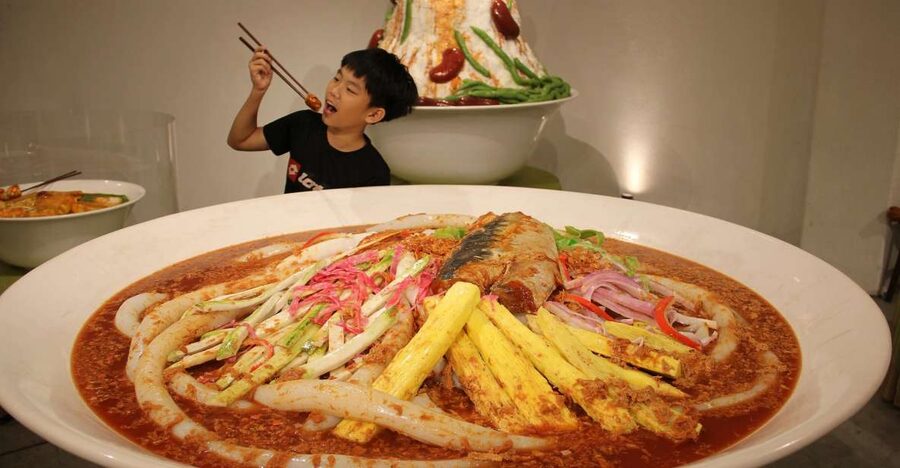
The museum sits in Georgetown, Penang, inside a 1940s colonial building. That setting matters. You are not entering a modern food court or a restaurant attraction. You are stepping into an older part of the city to look at a carefully arranged display about the dishes found across Penang.
The museum’s subject is broad. Penang food reflects Malay, Chinese, Indian, and other cultural influences, and the exhibits present that mix through recognizable dishes and cooking traditions. You will not get a meal here, but you will get visual context for the food you may see elsewhere in the city.
For a first visit to Penang, this can help you recognize what is on a hawker stall menu or restaurant table. For food lovers, it offers a closer look at the shape, color, and presentation of dishes that are often eaten quickly and casually.
Start with the Info Zone
The Info Zone is the sensible place to begin. It sets up the food story before the museum shifts into its larger, more theatrical displays.
Expect information about Penang’s food heritage and the different culinary traditions represented in the museum. The exact amount of time you spend here depends on how much you read, but this section is useful if you want more than a series of funny photographs with giant food.
I would take a little time here before rushing to the oversized models. The information gives the later displays more meaning. You begin to see the dishes not just as colorful objects, but as part of the everyday food culture of Penang.
The layout also suits independent visitors. You are not tied to a guide’s schedule, and you can pause at the panels that interest you. One useful habit is to read first, then return to the related display for a closer look.
More Attraction Tickets in Penang
- Penang: The Habitat Penang Hill Entry Ticket
★ 4.5 · 111 reviews - George Town: The Top Penang Entry Ticket
★ 4.0 · 86 reviews - Straits and Oriental Museum Ticket
★ 5.0 · 128 reviews
The Wow Zone goes big on Malaysian food
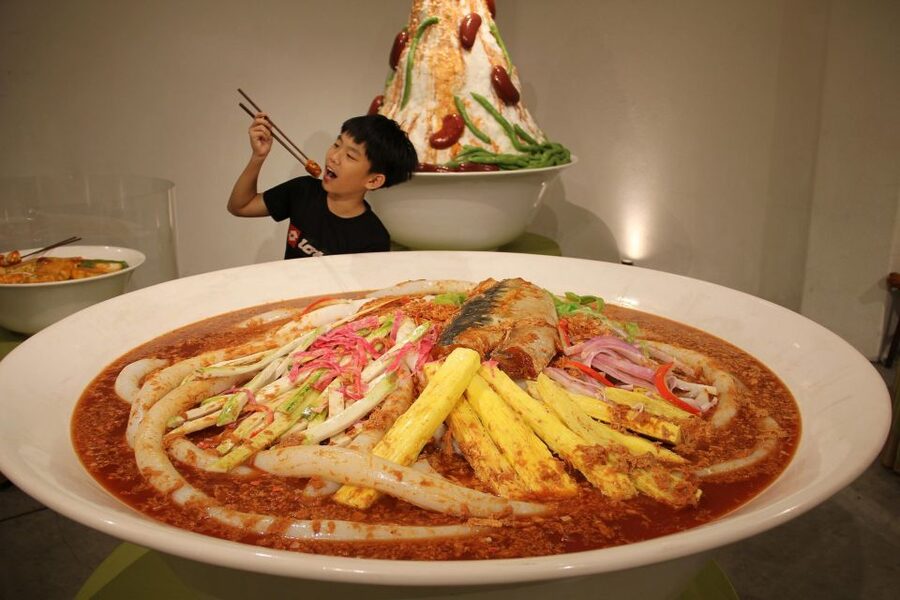
The Wow Zone is the museum’s most immediately striking section. Here, familiar dishes appear in oversized form, often large enough to make an ordinary bowl or plate look like a stage prop.
The scale is the point. A dish that might disappear in front of you at a hawker center becomes a main subject. You can inspect the ingredients, colors, textures, and arrangement in a way that is hard to do during a normal meal.
The displays cover beloved street foods and traditional Malaysian dishes. The food is not presented as a random collection of giant objects. It is arranged in sections that show different parts of Penang’s food culture, giving the visit a loose sense of order.
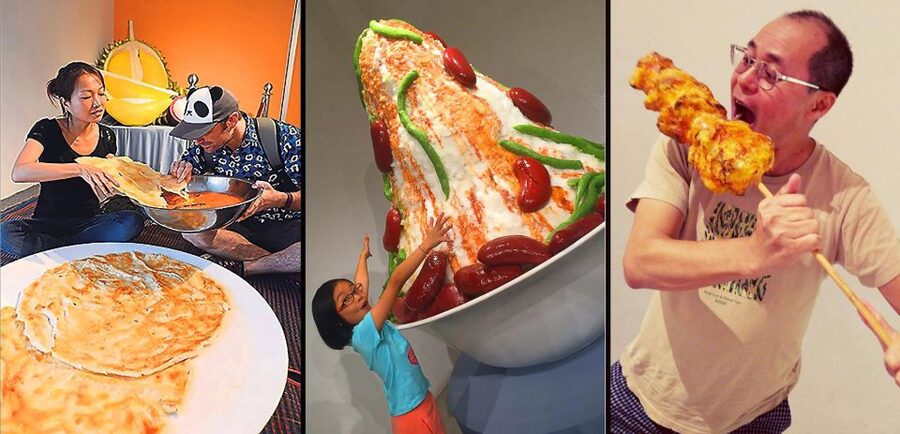
This is also the section most likely to appeal to children and anyone who enjoys taking photos. The museum has a light, slightly kooky tone, and the scale makes the exhibits easy to understand even if you know little about Malaysian cuisine.
Still, the Wow Zone is not only a photo stop. The large models give you a chance to study dishes that may be unfamiliar. If you are planning to eat around Penang afterward, use this section as a visual primer. You may remember the shape of a dish here when you see it on a menu later.
The Educational Zone adds context to the spectacle
The Educational Zone brings the visit back toward explanation. After seeing food presented as oversized art, you get a chance to think about its place in Penang’s daily life and cultural traditions.
This section is valuable because the museum could easily rely only on novelty. Instead, it tries to connect the visual displays with Penang’s culinary heritage. You learn that food is not just a list of ingredients. It can show migration, family customs, local taste, and the way different communities share a city.
The educational material also makes the museum more useful for adults. Children may remember the giant dishes, while older visitors can spend more time with the cultural details. You can choose your own balance between entertainment and information.
There is no need to rush through this zone. The visit is valid for one day, so you have flexibility, although most people will likely treat it as a short museum stop rather than spend an entire day inside. The ticket gives you room to move at your own speed instead of pushing you through a fixed schedule.
How the food replicas are made
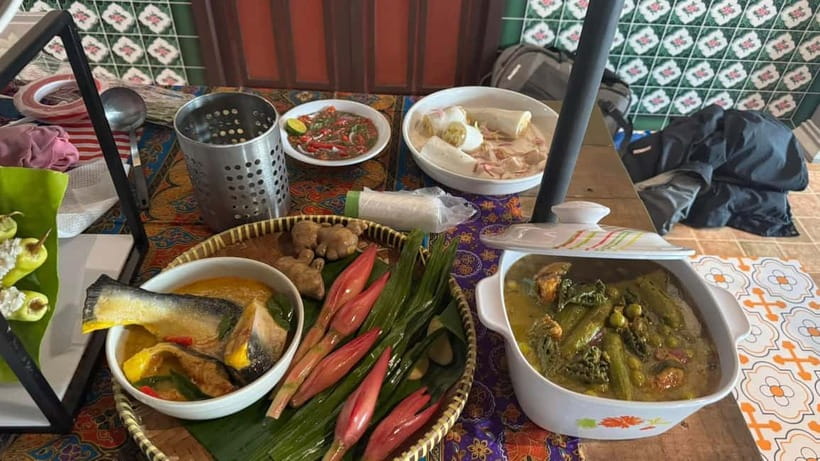
The displays were handcrafted by the museum’s owner, Sean Lao, using Japanese food replication techniques. That detail explains why the models are more than simple oversized decorations.
Japanese food replicas are known for their careful attention to form and appearance. Applied here to Malaysian dishes, the technique produces models designed to look close to real food. The result is a strange but effective mix: the dishes are clearly artificial, yet detailed enough to make you look twice.
You can expect hyper-realistic recreations of modern food as well as traditional dishes. This range is important. The museum is not presenting Penang cuisine as something frozen in the past. It includes food that reflects both older traditions and contemporary eating habits.
The replicas also make comparison easier. A normal plate of food vanishes once it is eaten. A museum model lets you study it for as long as you like. You can examine the way ingredients are grouped, notice how a dish is presented, and compare one food tradition with another.
More museums and galleries near George Town Malaysia:
- Quirky Art Museum called Ur-Mu in Bukit Bintang, KL
★ 5.0 · 49 reviews - Best of Kuala Lumpur City Tour Including National Museum and National Monument
★ 3.0 · 23 reviews - Asia Camera Museum Admission Ticket
★ 5.0 · 18 reviews - George Town Highlights & Upside Down Museum tours (4 Hours)
★ 4.5 · 7 reviews
Interactive displays keep the visit from feeling flat
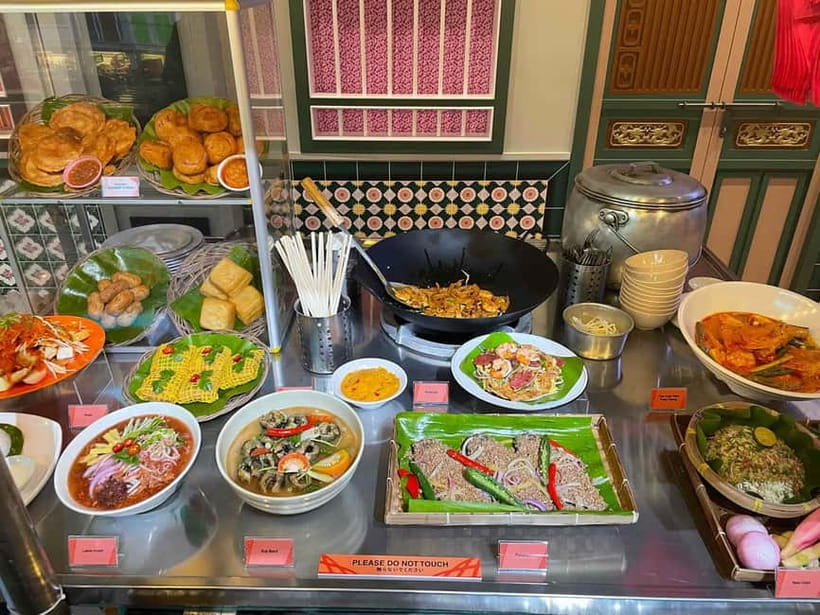
The exhibits are designed to be interactive and tempting, not simply rows of objects behind glass. That gives the museum a more playful rhythm.
You may find yourself moving around a display to see it from different angles or pausing to read details that explain what you are looking at. The interactive parts help turn food into something you investigate rather than merely pass.
This is one reason the visit works well for families. The subject is familiar, the models are large, and the information can be taken in small pieces. Adults who enjoy food culture also have enough detail to make the stop worthwhile.
The museum’s tone is not formal. If you prefer quiet galleries and traditional art, the large replicas may feel more like a themed attraction than a serious museum. That is a fair criticism. The value here comes from the combination of humor, craft, and cultural information, not from a conventional museum collection.
Plan your visit around the Georgetown day
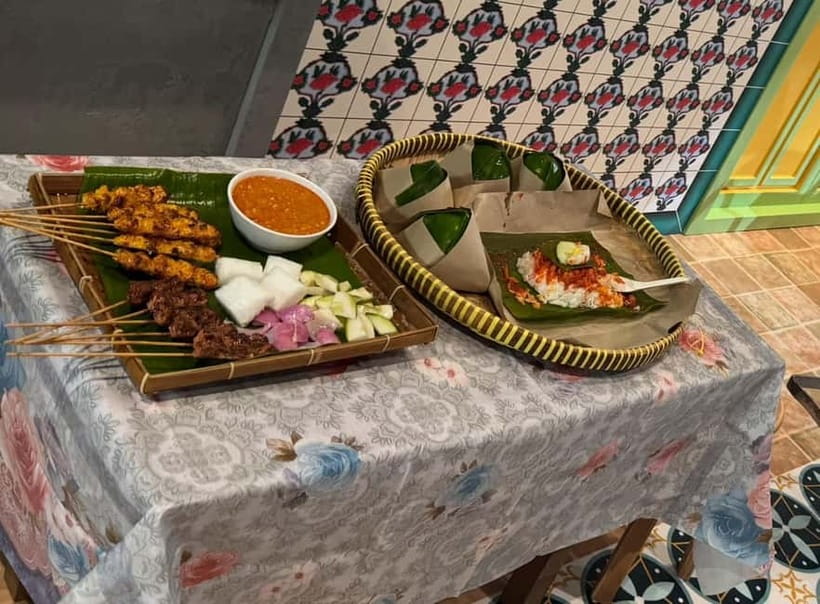
The ticket is valid for one day, and the museum is open daily from 9:00 AM to 6:00 PM. You proceed directly to Wonderfood Museum for entry, with no hotel pickup or drop-off included.
That makes the museum easy to combine with other Georgetown activities. It can work as a morning stop before lunch, a midday break from walking, or an afternoon visit when you want something indoors. Since the displays are self-paced, you do not need to build the rest of your day around a tour departure.
I would avoid treating the ticket as a full-day attraction. The supplied details confirm one-day validity, but the museum is best understood as a flexible stop within a Georgetown itinerary. Give yourself enough time to read the information, study the models, and take photos without turning the visit into a sprint.
The museum is wheelchair accessible, which is useful for visitors who need step-free access. Families should note the age bands: infants aged 0 to 2 enter free, child tickets apply from ages 3 to 12, adult tickets cover ages 13 to 59, and senior tickets begin at age 60.
Is the $5 ticket good value?
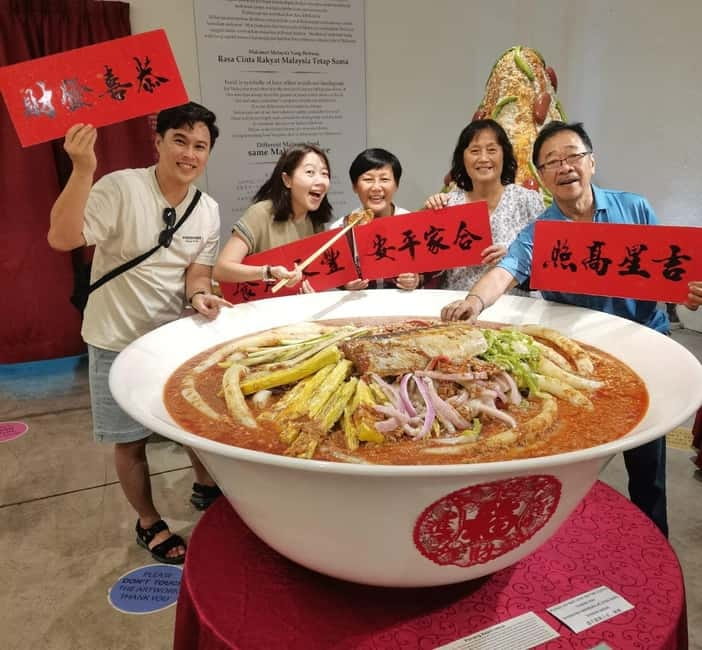
At $5 per person, this is an inexpensive attraction by sightseeing standards. The value is strongest if you enjoy food, photography, or unusual museums and want a short activity that adds context to your time in Penang.
You are paying for more than a quick display of giant dishes. The ticket includes admission to all three galleries, with information, oversized replicas, and educational material in one location. The museum also gives you a useful visual introduction before you sample Penang’s food for yourself.
The limitation is just as clear. Your ticket does not include food, a guide, transport, or hotel pickup. If you are expecting a cooking class, tasting session, or market tour, this is the wrong choice.
For a family, the low price makes the decision easier. For a solo visitor with little interest in food, the value depends on your curiosity about visual attractions. The museum is not a must for every sightseeing style, but it is a sensible low-cost addition to a Georgetown day.
What I like most about the experience
The best feature is the freedom to move at your own pace. You can read the different information panels without worrying about holding up a group, and you can spend extra time with the displays that catch your eye.
I also like the museum’s balance between famous food and broader cultural coverage. Penang is often reduced to a few well-known dishes, but the three zones aim to show a wider range of local and traditional food.
The craftsmanship is another strong point. Sean Lao’s use of Japanese food replication methods gives the models a level of detail that makes them worth examining closely. The replicas are funny because of their size, but they are also carefully made.
The experience has earned a strong overall rating of 4.8 from seven ratings, and the clearest practical takeaway is that people enjoy the displays and the relaxed format. You can walk around, read, and take in the galleries without being hurried.
Points to consider before booking
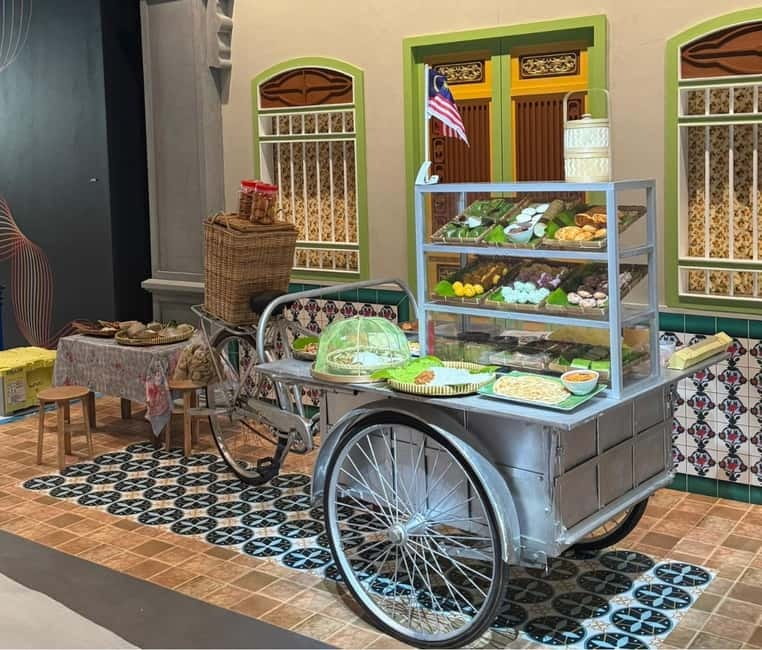
Do not book this if your main goal is to taste Penang food. You will see food replicas, not real dishes, and admission does not include a meal.
The museum may also feel too playful if you want a formal account of Malaysian culinary history. It presents information, but it does so through oversized models and interactive scenes. The tone is fun first, with learning built into the experience.
On the other hand, that playful style is exactly why it works for many visitors. The large exhibits make the subject approachable, and the three-zone format gives the visit enough structure to feel purposeful.
Cancellation is flexible, with a full refund available if you cancel at least 24 hours in advance. You can also reserve now and pay later, which helps if your Georgetown plans are not fixed yet.
Who should book Wonderfood Museum?
I would recommend it to families, food-focused visitors, photographers, and anyone who wants a light cultural stop in Georgetown. It is especially useful early in a Penang visit, before you spend more time eating around the city.
It also suits people who prefer independent sightseeing. There is no guide name to remember or group timetable to follow, though Sean Lao’s role as the creator of the replicas gives the displays a clear personal touch.
You may want to skip it if you are looking only for live cooking, food tastings, or a serious historical museum. Those are not part of the admission.
Should you book it?
Book the Penang Wonderfood Museum if you want an affordable, unusual stop that explains Penang food through huge, highly detailed replicas. The three galleries offer more than photo opportunities, and the self-paced design lets you focus on the dishes and information that interest you.
Skip it if you need a meal or a guided culinary tour. For $5, though, the risk is small. If you already plan to explore Georgetown and care even a little about Malaysian food, this is an easy activity to add.
FAQ
Where is Penang Wonderfood Museum located?
It is located in Georgetown, Penang, inside a 1940s colonial building.
What does admission include?
Admission includes entry to Wonderfood Museum Penang and its three galleries: the Info Zone, Wow Zone, and Educational Zone.
How much does the ticket cost?
The listed price is $5 per person.
How long is the ticket valid?
The ticket is valid for one day.
What are the museum’s opening hours?
The museum is open daily from 9:00 AM to 6:00 PM.
Are children and infants charged the same price as adults?
Infants aged 0 to 2 can enter free. Child tickets apply to ages 3 to 12, adult tickets to ages 13 to 59, and senior tickets to people aged 60 and older.
Can I cancel or change my booking?
You can cancel up to 24 hours in advance for a full refund. A reserve-now-and-pay-later option is also available.
Just added around George Town Malaysia
- Penang: Trishaw Ride and Hawker Center Food Tour★ 4.3 · 20 reviews
- Penang: Private Customized Flexible Tour with Tourist Guide★ 5.0 · 19 reviews
- Penang: Private Highlights Tour with Temples, Hill & Gardens★ 5.0 · 5 reviews
- Penang Island: Street Food Walking Tour★ 5.0 · 3 reviews
- Penang Local Food Hunting★ 5.0 · 10 reviews
- Penang: ATV Ride in Balik Pulau with Snacks and Transfers★ 4.6 · 13 reviews
- George Town: Authentic Food Tour with 12+ Tastings★ 4.7 · 7 reviews
- George Town: Heritage Walking Tour with Street Food Tasting★ 4.7 · 6 reviews
Museums, compared.
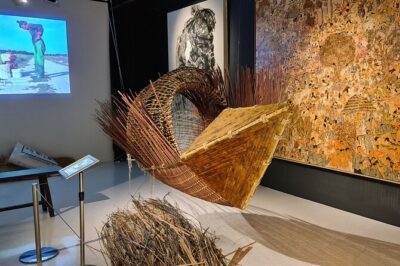
Quirky Art Museum called Ur-Mu in Bukit Bintang, KL
Read our review →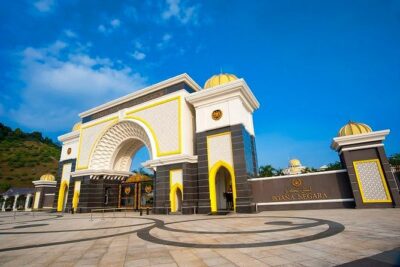
Best of Kuala Lumpur City Tour Including National Museum and National Monument
Read our review →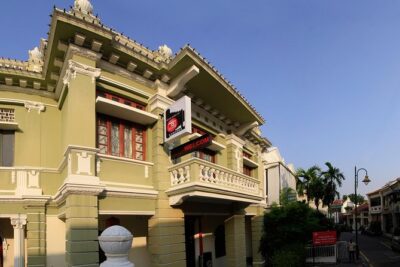
George Town Highlights & Upside Down Museum tours (4 Hours)
Read our review →
Treasures Of The Far East-Malacca, Museum, Trishaw Ride(Private)
Read our review →
Islamic Arts Museum Admission with Kuala Lumpur Famous Landmarks
Read our review →Browse the lists this tour appears in