
Reviewed · WALKING TOURS
Kuching: Walking Tour with Sampan Boat Ride and Lunch
Kuching reveals itself best at walking speed, with a short sampan crossing adding a welcome change of pace. You’ll trace the Brooke family’s White Rajah story, cross the hornbill-inspired Darul Hana Bridge, and sample local food in a hawker center.
I like the mix of river views and old streets, and I like that lunch is part of the four-hour plan rather than an extra cost. The main consideration is the walking: this is not suitable for wheelchair users, and Kuching’s heat makes water, a hat, and sunscreen useful.
Key points to know before you book
- A traditional Malay sampan ride gives you a simple, close-to-the-water view of Kuching and the Sarawak River.
- The White Rajahs and colonial buildings add political and architectural context to the city walk.
- Gambier Street brings you close to spices, market activity, and everyday Kuching life.
- Lunch at a hawker center makes the $26 price easier to justify, especially if you want an introduction to local food.
- The walk ends at the Chinese Heritage Museum, so you finish with Kuching’s multicultural story rather than returning to the starting point.
- Small groups are limited to 15 people, and the English speaking guide can help shape the walk around your questions.
Why this Kuching walk works so well
This is a compact introduction to Kuching’s central sights. In four hours, you get a river crossing, a guided city walk, historic buildings, market streets, lunch, and a museum finish. It is not a specialist food tour or a long historical lecture. It is a broad first look at the city, with enough variety to keep the morning or afternoon moving.
The tour starts at the colorful Kuching Word Sign on Jalan Tunku Abdul Rahman. The location is easy to recognize and gives you an immediate view toward the Sarawak River. It also works as a practical meeting point because you begin beside one of the city’s main visual landmarks rather than searching for an obscure shop or hotel entrance.
From there, the tour quickly puts Kuching’s river at the center of the story. That matters because the Sarawak River is not just scenery. It helps explain the city’s position as a trading and cultural meeting point, and it gives you a clear sense of how the modern center relates to older riverside areas.
More Walking Tours in Kuching:
- Kuala Lumpur Local Street Food Private Walking Tour by Night
★ 4.5 · 224 reviews - 2d1n Mount Kinabalu Via Ferrata – Walk The Torq
★ 5.0 · 90 reviews - Kinabalu Park & Poring Hot Spring & Canopy Walk
★ 4.5 · 80 reviews
A sampan crossing with a close view of Kuching
The traditional Malay sampan ride is one of the most appealing parts of the experience. You cross the Sarawak River in a small traditional boat rather than simply looking at the water from a bridge or promenade. The ride lasts about 30 minutes as part of the wider guided section, so it is long enough to feel like a real part of the tour, not just a quick photo opportunity.
From the water, you can watch the contrast between newer buildings and traditional riverside villages. That contrast gives the city a more useful sense of place than a string of disconnected landmarks. You see Kuching as a living river city, with old and new areas facing one another.
The boat ride should not be mistaken for a long cruise with extensive narration. Its value is the change in viewpoint and the quiet crossing itself. If you want a major sightseeing cruise, this will feel modest. If you want a simple local boat experience folded into a city walk, it fits nicely.
Bring your camera, but keep it ready before boarding. The river views, bridge, and opposite bank are among the clearest photo chances on the tour. You should also bring water, especially if your walk takes place during the warmer part of the day.
Walking through the White Rajahs’ Kuching
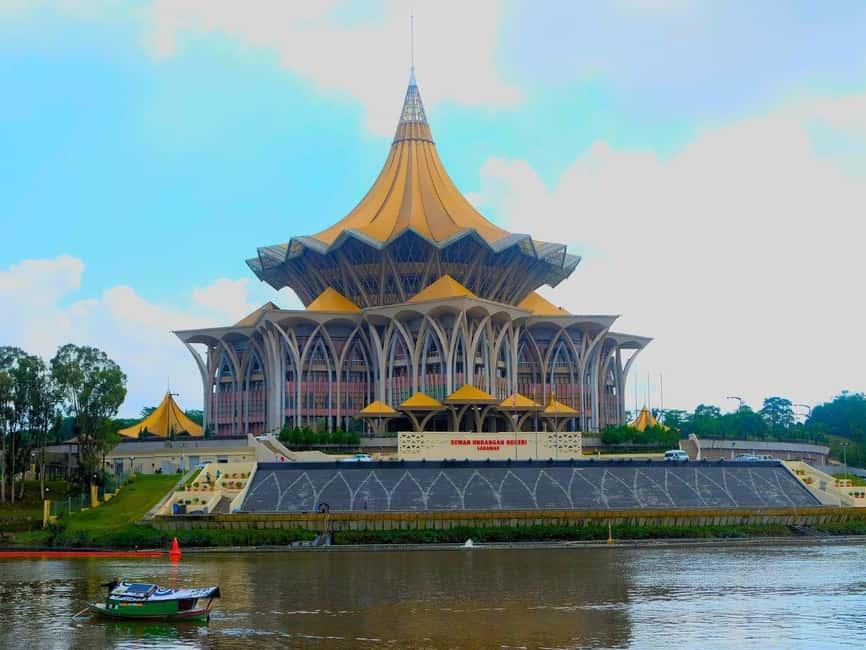
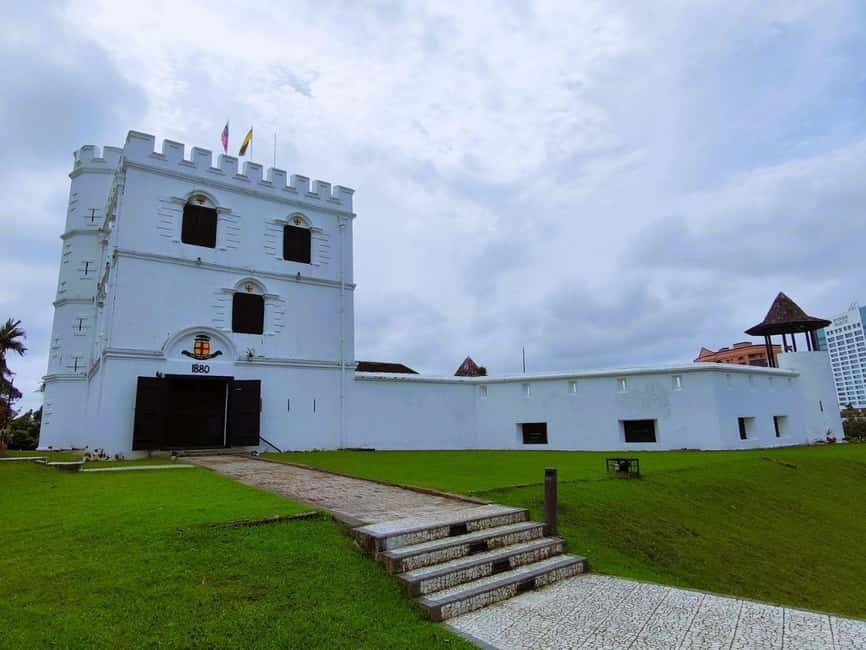
The Brooke family ruled Sarawak as the White Rajahs, and their presence still shapes Kuching’s historic center. The guide uses colonial-era buildings to explain that period, giving the architecture a purpose beyond decoration. You are not only looking at old facades. You are learning how a ruling family influenced the city’s government, identity, and built environment.
This part of the tour is most useful if you enjoy having context attached to what you see. A building can look attractive on its own, but the story of the White Rajahs helps explain why Kuching has such a distinct colonial character within Malaysia.
The tour does not list a long set of individual buildings, so you should expect a guided overview rather than a room-by-room architectural visit. That keeps the pace manageable, but it also means the depth will depend partly on your guide and the questions you ask.
The small-group format helps here. With no more than 15 people, you have a better chance of hearing the explanation clearly and asking about points that catch your attention. If Jerry is leading your walk, his relaxed style is suited to travelers who prefer conversation to a formal speech. If Drika is your guide, you can expect room for questions and personal interests. Guide assignments are not guaranteed, but both names are associated with especially friendly and flexible service.
Crossing the Darul Hana Bridge to the India Mosque
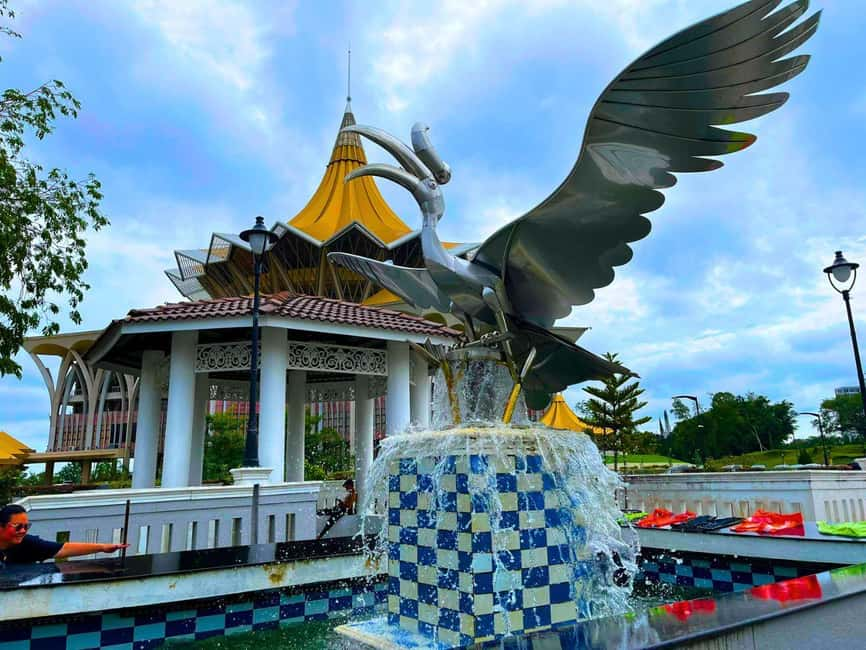
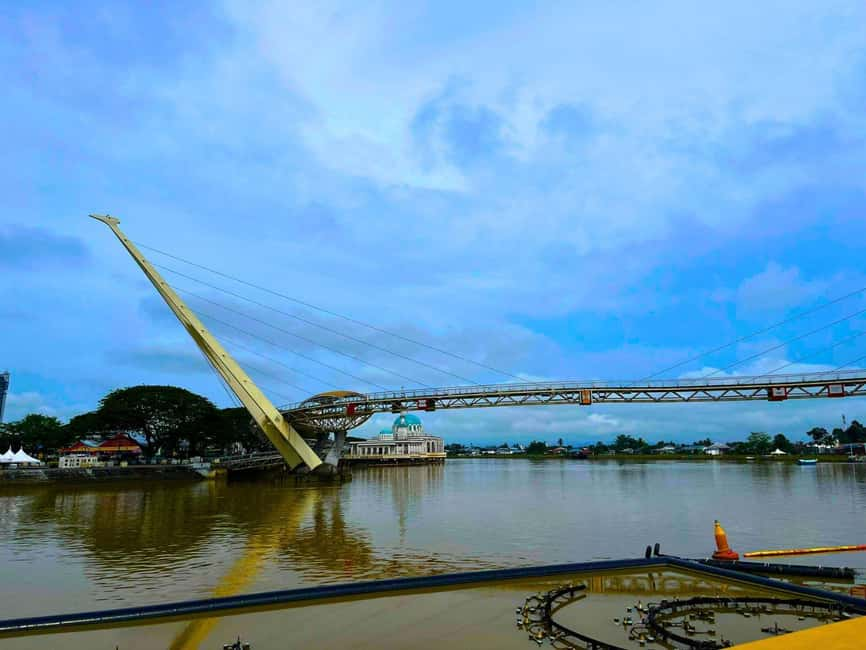
The Darul Hana Bridge is one of the tour’s strongest photo stops. Its design takes inspiration from the hornbill, a bird closely associated with Sarawak, and the bridge gives you broad views along the river. Crossing it also creates a natural break in the walking route.
The bridge is more than a crossing. It links the riverside experience with the city’s religious and commercial streets, helping you see how Kuching’s main attractions fit together. Take a moment to look back toward the river rather than rushing straight across. The changing angle gives you a different view of the water and nearby buildings.
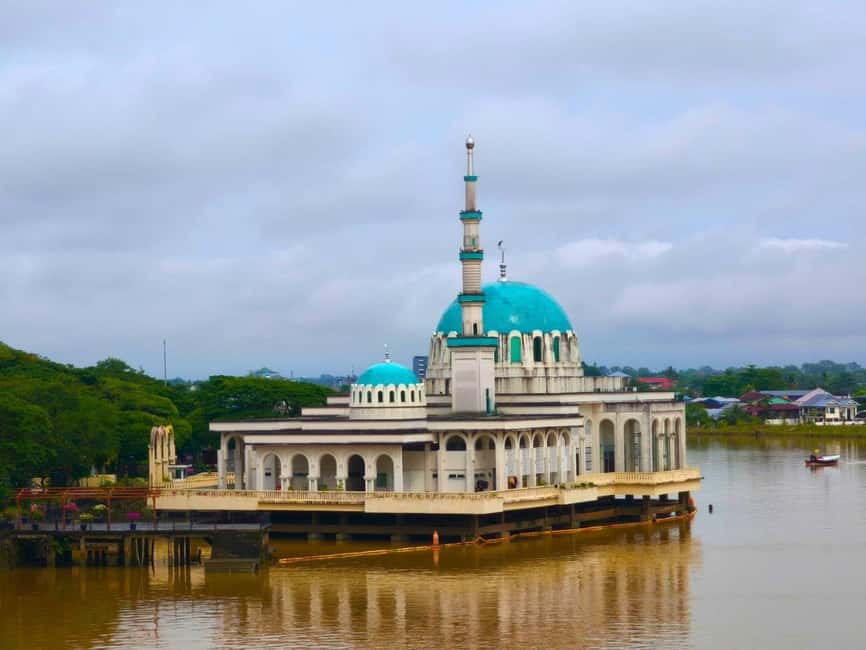
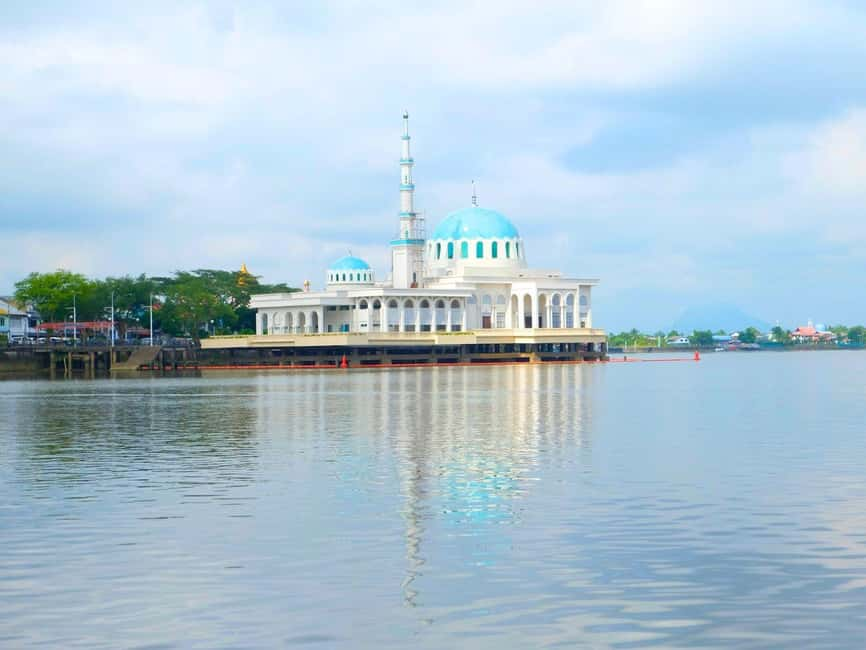
The India Mosque adds another layer to the city’s cultural story. Its striking appearance makes it an easy landmark to remember, while its place near older commercial streets reflects Kuching’s long mix of communities and trade. The visit is primarily a sightseeing and photo stop, so do not expect an extended religious tour.
As with any active place of worship, dress and behavior should be respectful. The supplied tour details do not give a specific dress code, so modest clothing is a sensible choice. The guide can provide direction during the visit.
A few more Kuching half-days to weigh up
- Half-Day Heritage Bike Tour in Kuching
★ 5.0 · 162 reviews - Night Froggy Adventure at Kubah National Park
★ 5.0 · 71 reviews - Semenggoh Orangutan Centre from Kuching
★ 4.5 · 53 reviews - Bako National Park from Kuching City
★ 4.5 · 35 reviews
Gambier Street and the smell of spices
Gambier Street brings the tour down to street level. It is known for aromatic spices and market life, giving you a more sensory look at Kuching than the formal architecture stops. You can expect the smells and colors of a working commercial area, along with time to see how the street fits into the city’s trading past.
This is one of the places where a guide adds real value. Without context, a market street can pass by as a collection of stalls and shopfronts. With an explanation of its spices and trade connections, the street becomes part of the city’s wider story.
The visit is listed as a guided walk and sightseeing stop, with about 30 minutes allotted to one of the walking sections. That is enough for an introduction, not enough to browse every stall at length. If you are hoping to shop for spices, ask your guide about timing before stopping to buy anything. The group still has lunch and later sights to reach.
The street may also feel less polished than the riverside photo spots. That is part of its appeal, but it can be a drawback if you want a purely scenic tour. I would choose this experience precisely because it includes working streets rather than only restored buildings.
Local lunch at a Kuching hawker center
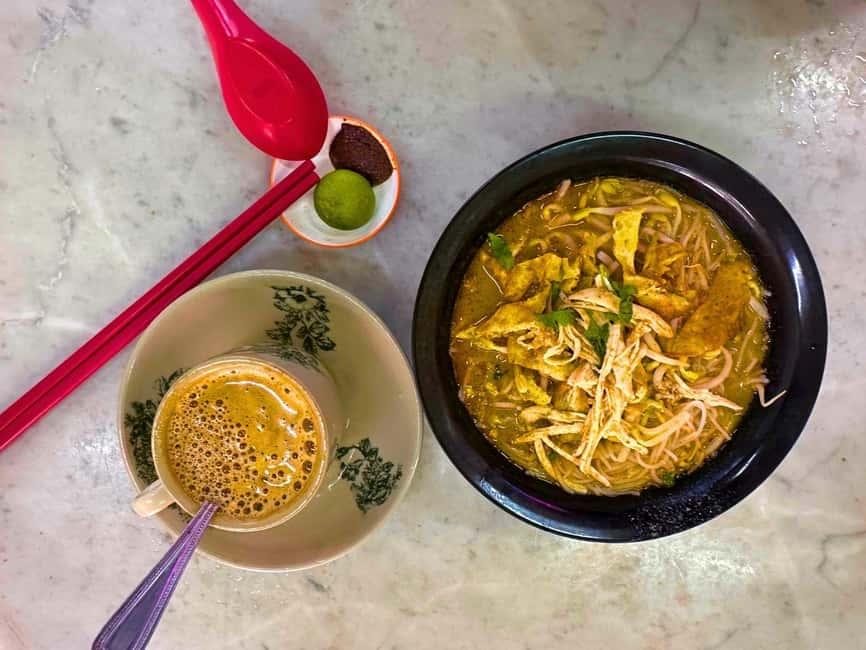
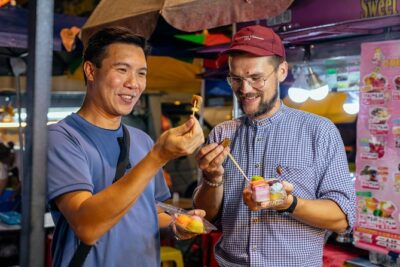
Lunch is scheduled for about an hour at a nearby hawker center. This is a useful inclusion for a $26 tour because you get both the meal and the chance to see how local food is served in an everyday setting. A hawker center is generally more informal than a restaurant, and that makes it a good place for a first taste of Kuching’s food culture.
The tour information does not specify the exact dishes, drinks, or whether you choose from several stalls. Do not book this expecting a fixed tasting menu or a detailed culinary class. Think of it as a local lunch built into the walking route.
That uncertainty is worth noting for dietary needs. Since no menu information is provided, ask the provider before booking if you have allergies, strict dietary requirements, or need a specific type of meal. The meal is included, but the exact food arrangements are not described.
The hour also gives your feet a break. After walking across the bridge, through historic streets, and around market areas, sitting down matters. For many people, this pause will be one of the practical strengths of the tour.
Old Bazaar Street and the last heritage shophouses
After lunch, the route continues to Old Bazaar Street. This area is home to some of Kuching’s last heritage shophouses, so it offers a closer look at the older commercial side of the city. The buildings help connect the earlier discussion of trade, migration, and colonial rule with the streets people use today.
Look up as you walk. Shophouse details are easy to miss if you focus only on ground-level shops and traffic. The tour gives you a chance to notice the street pattern and building fronts, while the guide fills in the background.
The route is not just a list of monuments. It moves between river views, religious buildings, market streets, lunch, and older commercial architecture. That variety is helpful if you have only a short time in Kuching and want an introduction rather than a narrow theme.
There is one practical point: the tour finishes away from the starting point. You begin at the Kuching Word Sign and end at the Chinese Heritage Museum, so plan your next stop from the finish rather than assuming you will be returned to your hotel or starting location. Hotel pickup and drop-off are not included.
Ending at the Chinese Heritage Museum
The final stop is the Chinese Heritage Museum, officially listed as Muzium Sejarah Cina, Sarawak. This gives the tour a thoughtful ending. After the White Rajahs, river trade, mosque, spices, and shophouses, you finish by considering Kuching’s Chinese community and the wider mix of cultures that shaped the city.
The museum stop is described as a place where you can reflect at your own pace. That wording matters. The tour does not promise a long guided museum lecture, and you should not expect a full museum program with extensive interpretation from the guide.
Instead, the museum acts as a final piece of the city’s cultural story. It gives you space to look back at the places you have just seen and understand Kuching as more than a colonial riverside town. The city’s character comes from several communities living and trading alongside one another over generations.
Ending here also suits people who prefer a tour with a clear finish. You are not left at a random street corner. You have a named cultural stop that can help you decide what to explore next.
The $26 price and what you receive
At $26 per person, the tour offers good value if you would otherwise pay separately for a guided walk, a boat ride, and lunch. The English speaking guide, sampan crossing, and meal are included, which keeps the cost easy to understand.
The value is strongest for first-time visitors. You get a route through several central areas without having to work out the boat crossing, find the main historic streets, or choose a place for lunch. You also get explanations that help connect the sights.
The price is less compelling if you already know Kuching well or want to explore at your own pace. The tour has a fixed four-hour structure, and the market and museum stops are introductions rather than long visits. Independent walkers may prefer to spend more time shopping, eating, or photographing one area.
Small groups are limited to 15 people. That is not a private tour, but it is a reasonable size for a city walk. You should be able to hear the guide and ask questions without needing to compete with a large crowd.
Walking conditions and useful preparation
Wear comfortable shoes. The experience includes city walking, bridge crossing, market streets, and several sightseeing stops, and the tour is not suitable for wheelchair users. The exact walking distance is not supplied, so anyone with mobility concerns should ask the provider before reserving.
Kuching can be warm, and the tour includes time outdoors. Bring water, a hat, sunscreen, and a camera. These are small items, but they make a noticeable difference during a four-hour route.
The meeting point is the Kuching Word Sign on Jalan Tunku Abdul Rahman, 93100 Kuching, Sarawak. The guide waits there, and hotel pickup is not included, so allow enough time to reach the sign before the start.
The tour is offered in English. It is also a good choice if you want a social experience without a large coach group. Past guide feedback specifically praises Jerry for being down to earth and fun, Drika for adjusting the walk to questions and interests, and another guide for being friendly, informative, and punctual. Those qualities matter on a walking tour, though your assigned guide may be different.
You can cancel up to 24 hours ahead for a full refund, and you can reserve while paying later. Those options are useful if your Kuching plans are still taking shape.
Who should book this Kuching experience?
I would recommend this tour to first-time visitors who want a clear introduction to central Kuching in half a day. It suits you if you like history in manageable portions, local food without a formal dining setting, and a mix of walking with one short boat ride.
It also works well for people who want a guide but do not want to spend a full day on a large sightseeing bus. The route has enough variety for couples, solo visitors, and small groups with different interests.
You may want a different plan if you need wheelchair access, dislike walking in the heat, or want a highly focused food tour. It is also not ideal if you prefer to linger at each museum, market, or photo stop.
Should you book the Kuching walking tour?
Book it if you want to connect Kuching’s river, colonial past, religious landmarks, market streets, food culture, and Chinese heritage in one four-hour outing. The sampan ride and included lunch give the $26 price practical value, while the small group keeps the experience more personal than a large city tour.
Skip it if you want a slow, unstructured day or a detailed museum program. For most first-time visitors, though, this is a sensible way to get your bearings and see how Kuching’s different communities and eras meet along the river.
FAQ
How long does the Kuching walking tour last?
The tour lasts four hours.
Where does the tour begin?
It begins at the Kuching Word Sign on Jalan Tunku Abdul Rahman, 93100 Kuching, Sarawak, Malaysia.
Where does the tour finish?
The tour ends at the Chinese Heritage Museum, also listed as Muzium Sejarah Cina, Sarawak.
Is lunch included?
Yes. Lunch at a nearby hawker center is included.
Is the sampan boat ride included?
Yes. The traditional Malay sampan boat ride is included in the tour price.
What language is the tour conducted in?
The live tour guide speaks English.
How large is the group?
The tour is limited to 15 participants.
Is hotel pickup and drop-off provided?
No. Hotel pickup and drop-off are not included.
Is the tour suitable for wheelchair users?
No. The tour is not suitable for wheelchair users. Comfortable shoes are recommended because the experience includes walking.
Just added around Kuching
- Semenggoh Orangutan Center & Sarawak Cultural Village★ 4.5 · 10 reviews
- Traditional Bidayuh Village Bamboo Longhouse Tour★ 3.5 · 6 reviews
- Sarawak Cultural Village Tour from Kuching★ 5.0 · 12 reviews
- Sarawak Cultural Village Tour from Kuching★ 5.0 · 13 reviews
- Semenggoh Wildlife Centre: Orangutan Discovery from Kuching★ 4.5 · 8 reviews
- Night Frogs Tour at Kubah National Park★ 5.0 · 17 reviews
- Sarawak Sunset River Cruise with Return Transfer★ 4.0 · 5 reviews
- Sarawak Cultural Village Tour★ 4.5 · 6 reviews
Walking Tours, compared.
Kuala Lumpur Local Street Food Private Walking Tour by Night
Read our review →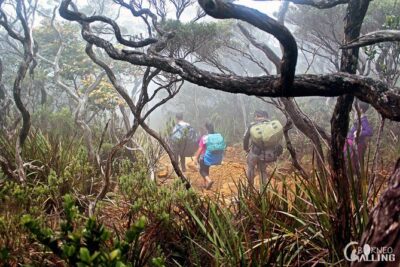
2d1n Mount Kinabalu Via Ferrata – Walk The Torq
Read our review →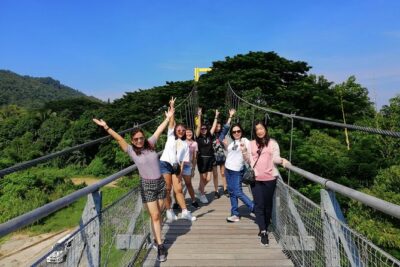
Kinabalu Park & Poring Hot Spring & Canopy Walk
Read our review →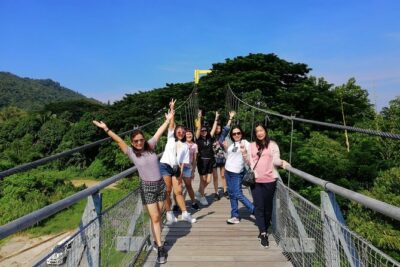
2d1n Kinabalu Park & Poring Canopy Walk & Desa Cow Farm Tour
Read our review →
Melaka UNESCO City Guided Walking Tour – Tip Based
Read our review →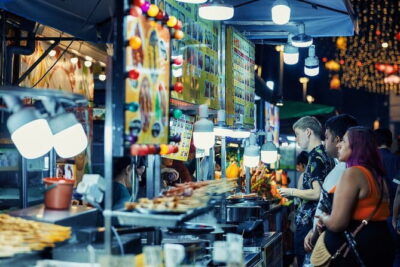
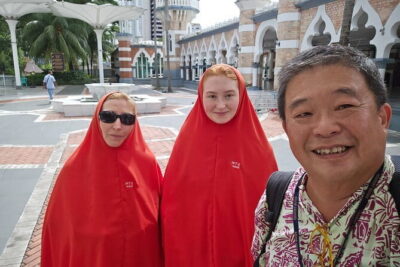
Half Day Cultural And Heritage Walking Tour in Kuala Lumpur
Read our review →
Browse the lists this tour appears in