
Reviewed · HISTORICAL TOURS
Kuala Lumpur Heritage 4-Hour Walking Tour
Kuala Lumpur’s best introduction may be found on foot, with a plate of local food in one hand and a temple ritual unfolding in front of you. This four-hour walk links Central Market, Chinatown, Sin Sze Si Ya Temple, and Sri Mahamariamman Temple while explaining how Malay, Chinese, and Indian traditions shape the city.
I like the small group of no more than eight, which gives the guide room to answer questions and help you try unfamiliar foods. I also like the practical mix of walking, tastings, and temple visits, especially the chance to learn how to behave at Chinese and Hindu shrines instead of simply taking photographs.
The main drawback is the meeting point. The Tourist Information and Interaction Centre is tucked above an art lane near Central Market, and one booking party had trouble finding it. Four hours of walking can also feel demanding in Kuala Lumpur’s heat.
Key points to know before booking
- Three cultures in one compact walk: See Chinese, Indian, and Malay traditions within Kuala Lumpur’s historic center.
- Food replaces a formal lunch: Tastings may include several local stops, with one group describing three eating opportunities and a banana leaf meal.
- Temple visits are explained, not rushed: Your guide can show you how to approach Chinese shrines and Hindu temples respectfully.
- A genuinely small group: The maximum is eight participants, with English-language guiding.
- Central Market is the starting point: Allow extra time to find the turquoise center above Art Lane.
- Good value for a full half-day: At $60 per person, the price covers the guide, bottled water, food tastings, and tax.
Why this Kuala Lumpur walk works
Kuala Lumpur can be hard to read at street level. A Chinese temple may sit close to an Indian shrine, while Malay food appears on the same route. Without explanation, the city center can look like a collection of attractive buildings and food stalls. With a guide, the connections become clearer.
This tour gives you a framework for understanding that mix. You walk through the historic center rather than viewing it from a vehicle, and the guide can point out how early Chinese and Indian settlers shaped Chinatown and the surrounding streets.
I especially like the balance between seeing places and doing things. You are not only told that a temple matters. You may be shown how to make a wish at a Chinese shrine, receive a blessing, or handle food served on a banana leaf. That turns cultural information into something you remember.
The experience is also personal by design. The small group makes it easier to ask why a ritual works a certain way, what an item is used for, or how to eat an unfamiliar dish. Guides named in past bookings include Lewis, Luis, Kristin, Farah, and Christie. The experience can vary with the guide, but the strongest reports describe guides who adjust the food stops, take photographs with permission, and explain customs patiently.
More Historical Tours in Kuala Lumpur
- Kuala Lumpur: Batu Caves & Historic Buildings Tour
★ 4.7 · 539 reviews - From Kuala Lumpur: Private Batu Caves Cultural Tour
★ 4.4 · 410 reviews - Private Half-day Batu Caves and Cultural Tour Kuala Lumpur *2026*
★ 5.0 · 165 reviews
Finding the turquoise center near Central Market
Your meeting point is the Tourist Information and Interaction Centre beside Central Market. This is not simply a matter of walking to the main market entrance and looking for a large tour desk.
Walk along Kasturi Walk, the covered walkway beside Central Market. At the end, look for an alley between Central Market and the purple building. Enter the Art Lane, walk for about 30 seconds, and find the black staircase. Go upstairs, turn right, and look for the small garden. The center is next door, with a turquoise interior.
I would arrive early. Internet access may not be dependable, and the entrance is easy to miss if you are trying to find it at the last minute. Save the directions before leaving your hotel and ask Central Market staff for Art Lane if needed.
Starting here makes sense. Central Market gives you an immediate introduction to Malaysian crafts, souvenirs, and everyday culture before the walk moves into the older streets. It also puts you close to Kasturi Walk, where the tour begins its outdoor exploration.
Kasturi Walk and the first taste of local Kuala Lumpur
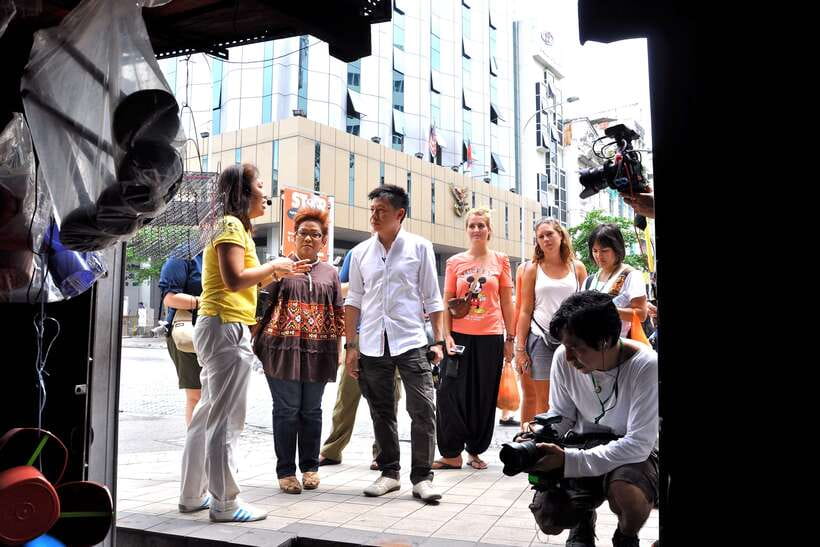
Kasturi Walk is a covered flea-market area next to Central Market. You can browse stalls while your guide explains the setting and points out details you might otherwise pass without noticing.
This section is less about major monuments and more about getting your bearings. The market connects the polished visitor side of Kuala Lumpur with the city’s street-level shopping culture. You may find small gifts, local products, and food nearby, but the value here comes from context rather than a single must-see attraction.
Food tastings are included, and the guide uses them to introduce different Malaysian traditions. The exact dishes are not listed in advance, so you should be prepared for some variety. Past experiences included several food stops, with one group eating three times during the day. Another guide, Christie, adjusted the selection to match what the group had already tried and what they wanted to sample.
That flexibility is useful if you have already eaten some familiar Malaysian dishes. It also means you should not treat the included tastings as a fixed restaurant menu. The food is part of the walking experience, not a full culinary tour with a published dish-by-dish schedule.
Chinatown and the story of early settlers
From Central Market, the route moves toward Chinatown. Here, the guide tells the story of the first Chinese settlers and shows you how Chinese culture remains part of the central city.
Chinatown is a good place for a guide-led walk because the important details are not limited to one building. Streets, shrines, food, and shopping all overlap. A guide can explain what you are seeing as you move through it, rather than leaving you to guess which details matter.
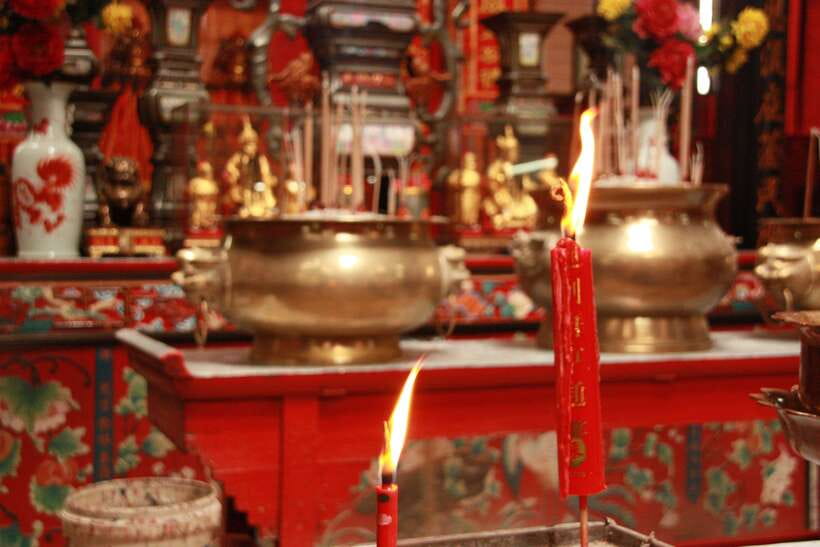
The tour then visits Sin Sze Si Ya Temple, one of the key cultural stops. The experience is not presented as a quick photograph from the pavement. Guides have helped participants approach Chinese shrines, make wishes, and understand the basic customs involved.
That kind of help matters. Religious spaces can feel intimidating when you do not know where to stand or what an object means. Your guide can offer simple instructions and explain the purpose of a ritual without turning the visit into a lecture.
The stop is also a reminder that Kuala Lumpur’s heritage is lived, not just preserved for visitors. You are seeing a place of worship within an active neighborhood. Keep your voice low, follow the guide’s instructions, and ask before taking photographs when appropriate.
More Walking Tours in Kuala Lumpur
- Kuala Lumpur Local Street Food Private Walking Tour by Night
★ 4.5 · 224 reviews - Kuala Lumpur: Nightlife Walking Tour with Local Guide
★ 5.0 · 33 reviews - Half Day Cultural And Heritage Walking Tour in Kuala Lumpur
★ 5.0 · 28 reviews - Kuala Lumpur InfoFun Walking Tour Experience
★ 5.0 · 24 reviews
Sri Mahamariamman Temple and Hindu customs
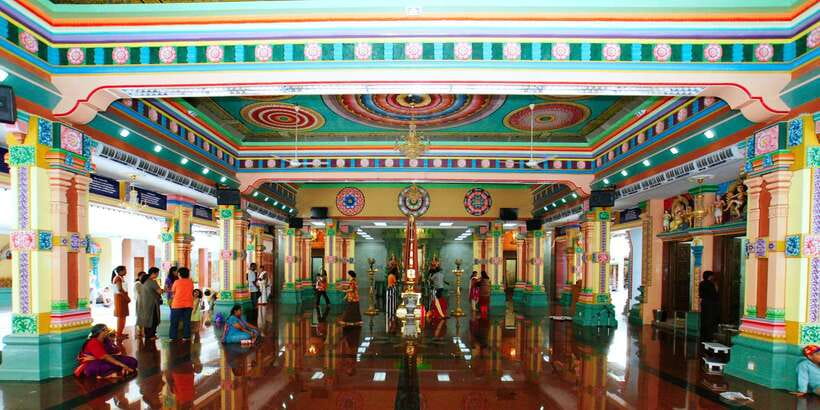
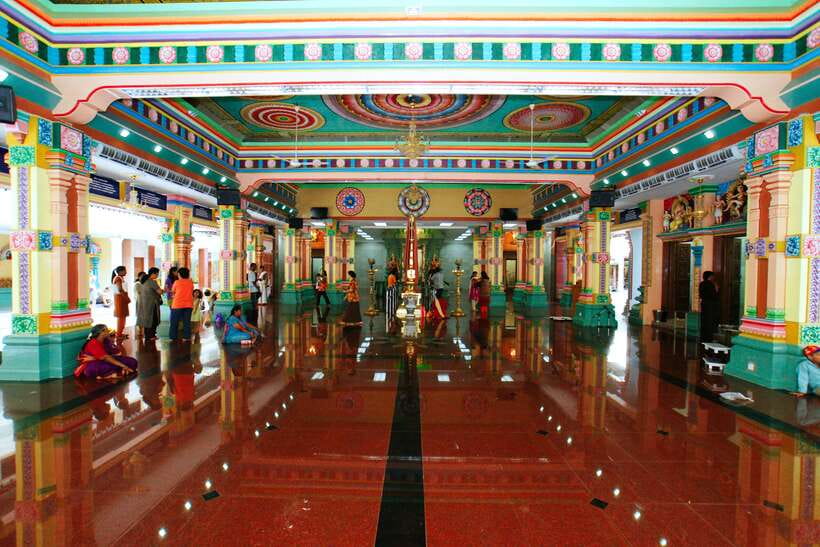
Sri Mahamariamman Temple offers a different cultural and architectural experience. The temple is important to Kuala Lumpur’s Indian community, and the guide explains Hindu customs before or during the visit.
One particularly useful detail from past tours is the preparation involved. Farah gave participants jasmine bracelets before entering the Hindu temple and explained what to do along the way. Other guides helped participants understand rituals rather than leaving them to copy what someone else was doing.
You may also be invited to take part in a blessing or another simple ritual. These moments depend on the guide and the circumstances at the temple, so they should not be treated as guaranteed performances. The important point is that the tour creates a respectful way to observe and, when appropriate, participate.
The food and temple sections work well together. After learning about a tradition, you may try food connected with Malaysia’s ethnic communities. One group received patient instruction on eating a banana leaf lunch, which is helpful if you have never used your hands for this kind of meal.
Wear clothing that feels respectful for temple visits, and be ready to follow local instructions. The supplied information does not specify a dress code, so your guide is the best person to ask on the day. Comfortable shoes matter more than fashionable ones, since the walk includes several stops and a moderate amount of time on foot.
Food tastings that turn lunch into a lesson
Food is one of the strongest reasons to choose this walk. The tour includes tastings, bottled water, and guidance from your local host. The tastings are not just a snack break. They help you compare the food traditions of Malaysia’s different ethnic groups.
The exact menu can change, but the experience may include multiple eating stops. One group was advised not to eat breakfast beforehand because the tour offered food three times. That is useful planning advice, though I would still eat a light breakfast if you need a steady start to a four-hour walk.
The banana leaf meal is a good example of the tour’s practical approach. You learn how the meal is served and how to eat it, rather than being handed a dish with no explanation. This is especially helpful if you are cautious about unfamiliar food or unsure about local table manners.
The guide can also help you try things you might otherwise skip. Kristin was praised for helping participants approach Chinese and Hindu customs and taste foods they had not encountered before. That is where a small group has an advantage. You can say what you have already eaten, mention dietary limits, and ask what a dish contains.
Still, the tour does not promise a set number of dishes or accommodate every dietary need in the information provided. If you have allergies or strict food requirements, contact the provider before booking and repeat the concern to your guide at the start.
How much walking and time to expect
The activity lasts four hours and includes walking, sightseeing, photo stops, a safety briefing, temple visits, and food breaks. The pace is not described as strenuous, but a moderate amount of walking is involved.
Kuala Lumpur’s heat can make an ordinary city walk feel harder than the distance suggests. Bring light clothing, use the included bottled water, and choose shoes with good support. The covered sections help, but you should not expect an entirely indoor activity.
The route is best suited to people who enjoy moving between several stops rather than spending a long time at one museum or monument. You will see a lot in a compact area, but some visits may be brief. One older review felt the tour could have included more places of interest, which is a fair concern if you prefer a longer list of major sights.
The tradeoff is focus. Instead of racing across Kuala Lumpur to collect distant attractions, you spend the time on a small historic core and get cultural explanation along the way.
What $60 includes and what it is worth
The price is $60 per person. It covers the guide, bottled water, food tastings, and Goods and Services Tax.
That is not the cheapest way to walk around Central Market and Chinatown. You can see parts of the area without paying for a tour. The value comes from the food, the language help, the small group, and the cultural guidance inside the temples.
I would consider the price fair if you are new to Kuala Lumpur and want one organized introduction to the city’s main cultural groups. It becomes a better deal when the group is small and the guide adapts the food stops to your interests. It is less compelling if you already know the area, have strong dietary restrictions, or prefer to explore at your own pace.
The tour is also useful early in a Kuala Lumpur visit. You can learn which foods to seek out later, understand the basic etiquette for religious sites, and get a practical orientation to Central Market, Chinatown, and the nearby train station.
Guides can shape the day
The experience depends heavily on who leads it. The named guides in past bookings include Lewis, Luis, Kristin, Farah, and Christie. Descriptions of the strongest outings point to friendly guiding, clear cultural explanations, food recommendations, and extra help at the temples.
Lewis was described as making the walk feel like exploring the city with a friend, while also taking photographs for the group after getting permission. Farah added small touches such as jasmine bracelets and help choosing materials connected with a Taoist ritual. Christie adjusted the food choices to suit the group.
These details are useful because they show what a good day can include, but they should not be read as a fixed promise for every departure. Your guide may take a different route through the same cultural area or emphasize different foods and customs.
The tour is conducted in English. If you want to ask many questions, the maximum group size of eight gives you a much better chance than a large coach tour.
Where the walk finishes
The route description points toward Masjid Jamek LRT station at the end, where your guide can direct you toward your hotel. Another part of the booking information lists the Tourist Information and Interaction Centre as the return point, so confirm the exact finishing location when you book or meet the guide.
Masjid Jamek is a useful end point because it gives you access to public transport and helps you continue exploring independently. If you have a fixed lunch reservation or another timed activity, allow a little extra flexibility around the stated four hours.
The guide can also help you understand how to get back to your hotel, but hotel transport is not included. You arrange your onward journey yourself.
Who should book this walking tour
I would recommend it most strongly to first-time visitors who want Kuala Lumpur explained through food, neighborhoods, and living religious traditions. It suits curious eaters, couples, solo visitors, and small families with children aged 11 or older.
It is also a good choice if you are nervous about entering temples or ordering unfamiliar food. The guide gives you a social and cultural bridge, which can make the city feel easier to approach.
I would think twice if you dislike walking in warm weather, need a fully fixed menu, or want a tour built around grand landmarks and long museum visits. The route is concentrated in the central heritage area, and the focus is cultural understanding rather than a checklist of Kuala Lumpur’s biggest attractions.
Free cancellation is available up to 24 hours before the tour, and you can reserve now and pay later. Those terms help if your Kuala Lumpur schedule is still changing.
Should you book the Kuala Lumpur Heritage Walking Tour?
Book it if you want to eat your way through Kuala Lumpur’s cultural center while learning how to behave in Chinese and Hindu religious spaces. The strongest part is the combination of small-group guiding, several tastings, and hands-on explanations that make the city easier to understand.
The $60 price is reasonable for a four-hour experience with food and a guide, especially if your group stays small and you value local context. Just plan for moderate walking, arrive early at the hard-to-find meeting point, and keep your schedule flexible at the end.
If you want a quick, human introduction to Central Market, Chinatown, and the city’s Chinese, Indian, and Malay traditions, this is a smart first-day choice.
FAQ
How long is the Kuala Lumpur Heritage Walking Tour?
The tour lasts four hours and includes walking, sightseeing, food tastings, photo stops, temple visits, and a safety briefing.
Where does the tour meet?
You meet at the Tourist Information and Interaction Centre near Central Market. Walk along Kasturi Walk, enter Art Lane through the alley beside Central Market, go up the black staircase, turn right, and look for the turquoise-colored center beside a small garden.
What languages are available?
The tour is conducted in English with a live guide.
What is included in the price?
The $60 price includes a guide, bottled water, food tastings, and Goods and Services Tax.
How many people are in the group?
The tour is limited to eight participants.
Is there a minimum age?
The minimum permitted age is 11 years old. A moderate amount of walking is involved.
Can I cancel the booking?
You can cancel up to 24 hours in advance for a full refund. The activity also allows you to reserve now and pay later.
Just added around Kuala Lumpur
- Walk & Discover KL’s Architectural and Heritage Gems★ 5.0 · 7 reviews
- Private Transfer: Kuala Lumpur International Airport to or from Hotel★ 4.5 · 14 reviews
- Transit Tour Private Tour (Ex Port Klang Cruise Centre/KLIA 1 &2)★ 5.0 · 10 reviews
- Private Port Klang Cruise to Kuala Lumpur City Tour★ 5.0 · 3 reviews
- Private Kuala Lumpur Shore Excursions★ 4.5 · 22 reviews
- Kuala Lumpur City & Batu Caves Temple Private Tour★ 4.5 · 3 reviews
- Kuala Lumpur International Airport Transfers★ 5.0 · 4 reviews
- Kuala Lumpur International Airport Layover Tour★ 4.0 · 12 reviews
Historical Tours, compared.
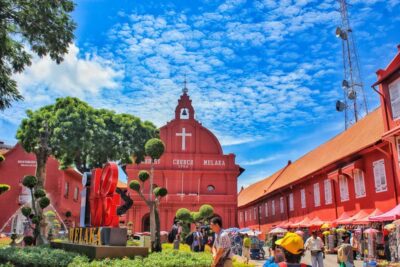
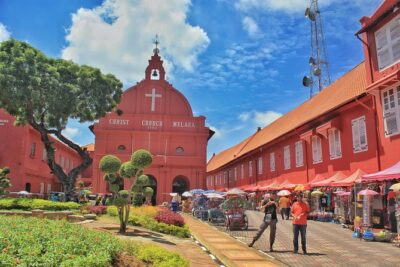
Historical Malacca Guided Day Tour (Shared Tour)
Read our review →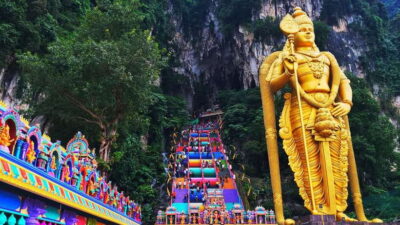
Historical Malacca Day Tour from Kuala Lumpur (Private Tour)
Read our review →
Private Half-day Batu Caves and Cultural Tour Kuala Lumpur *2026*
Read our review →
Malacca Historical Private Tour With Personal Chauffeur
Read our review →Browse the lists this tour appears in