
Reviewed · COOKING CLASSES IN KUALA LUMPUR
Malaysia Cooking Classes With Local
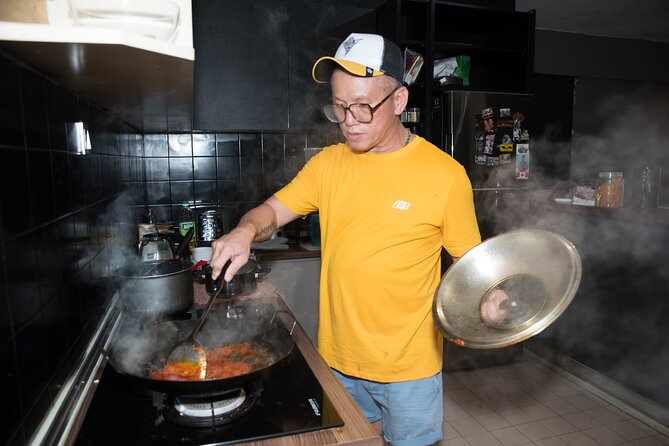
Nasi lemak is more than coconut rice with toppings. It is Malaysia on one plate, with fragrant rice, fiery sambal, crisp anchovies, peanuts, egg, and the sort of family cooking knowledge that rarely comes from a restaurant menu. In Fizah’s Kuala Lumpur home, you learn the dish by preparing it yourself, then sit down to eat what you made.
I like the small, personal setting and the fact that Fizah shares recipes passed down from her mother. I also like the flexible menu: nasi lemak and a local dessert are central, but other combinations such as laksa, mee goreng, and kuih gula Melaka may be available if arranged ahead of time.
The main consideration is that this is not a fully private cooking station for each person. You get your own area for cutting and preparation, while some cooking is shared. That suits people who enjoy conversation and teamwork, but it may disappoint anyone expecting a chef-style workstation.
Key points to know before booking
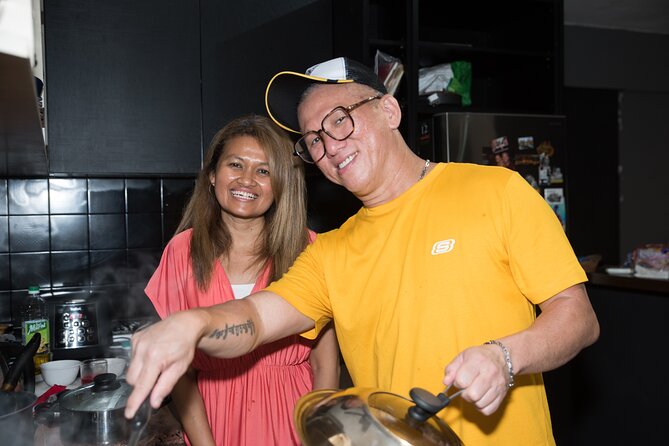
- Cook in Fizah’s home: This is a relaxed household experience rather than a formal culinary school.
- Make nasi lemak from the basics: Prepare coconut rice, sambal, peanuts, anchovies, eggs, and the final plate.
- Add a Malaysian dessert: A local sweet is included, with options such as kuih ketayap or kuih gula Melaka appearing among the available choices.
- Expect hands-on preparation: You will cut, mix, season, and help with the cooking, though some steps are shared.
- Plan for about three hours: Cooking, eating, questions, and conversation all form part of the experience.
- Best for small groups: The class is intended for private groups, with participation generally kept to around four people.
Why nasi lemak makes a good first Malaysian cooking class
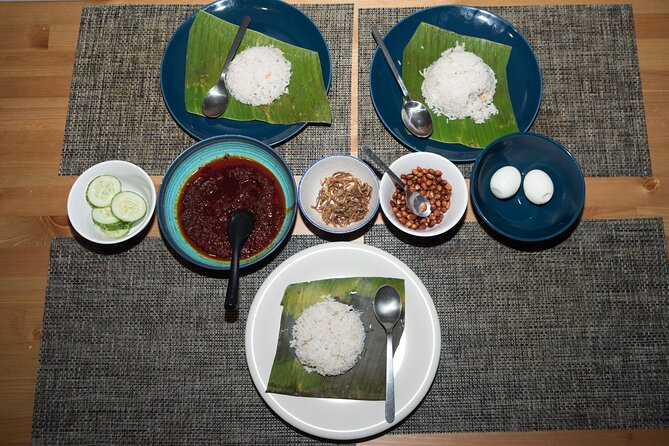
Nasi lemak is a smart choice for a short class because it teaches several basic ideas in Malay cooking at once. You learn how coconut milk changes rice, how sambal builds heat and flavor, and how simple side dishes turn one staple into a full meal.
The plate also gives you room to taste and adjust. You can ask Fizah about the balance between spicy sambal, salty anchovies, rich coconut rice, and the mild egg. That sort of explanation is more useful than simply watching someone cook a finished dish.
The cultural side matters, too. Nasi lemak is widely regarded as Malaysia’s national dish, and Fizah explains its place in everyday food culture as she teaches. Her comments about methods learned from her mother give the class a family connection that you will not get from following a recipe alone.
More Cooking Classes in Kuala Lumpur
- LaZat Malaysian Cooking Class
★ 5.0 · 87 reviews - New Malaysian Kitchen Cooking Class and Garden Tour
★ 5.0 · 54 reviews - Market Visit & Private Hands-on Cooking Class at Daun Senja
★ 5.0 · 51 reviews
Arriving at Awana Puri Condominium
The class begins at Awana Puri Condominium on Jalan 15/119, in Taman Mutiara Barat, Kuala Lumpur. The meeting point is near public transportation, but you should allow time to identify the correct building and reach the specific home within the condominium.
This is a home-based class, so the setting is part of the experience. You are not walking into a tourist attraction or a cooking studio with rows of polished counters. You are entering Fizah’s home, where the mood is casual and social.
Communication before the class is one of the useful parts of the arrangement. Fizah has checked menu preferences with participants before their scheduled time, and one person was accommodated with only a few hours’ notice. I would still confirm the dishes, arrival details, and any food allergies in advance rather than rely on last-minute flexibility.
The activity ends back at the same meeting point. Since the class lasts about three hours, it fits best into a half-day plan rather than being squeezed between several timed Kuala Lumpur sights.
Preparing rice, sambal, and the plate’s essential extras
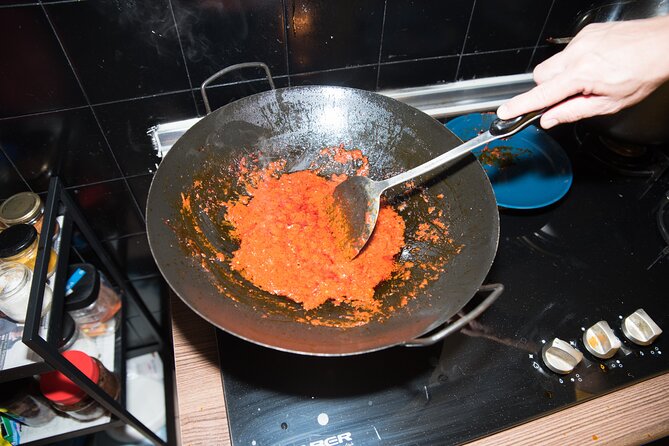
The cooking begins with the parts that make nasi lemak recognizable. You help prepare the rice with coconut milk, work on the sambal, and handle the familiar accompaniments: peanuts, anchovies, and eggs.
The value here is in the small instructions. Fizah explains how to select ingredients, how to handle each preparation step, and how to bring the separate parts together. You can ask questions while working instead of waiting until the end, so the class can adjust to your cooking level.
You should expect a shared process rather than three hours of independent cooking. One participant described having a personal place to cut and prepare ingredients, while the cooking itself was shared. That setup has a clear benefit: Fizah can keep an eye on the group and explain what is happening. The tradeoff is that you may not personally perform every single cooking step.
For a beginner, this is probably the right balance. You get enough practical work to understand the recipe without having to manage several hot pans at once. If you already cook often, ask questions about seasoning, substitutions, and how to repeat the method at home.
A Malaysian dessert adds sweetness and contrast
The class also includes a local dessert. The exact dessert can vary, so confirm the selection when arranging the session. Past menus have included kuih ketayap and kuih gula Melaka, both of which offer a useful contrast to the savory main dish.
Kuih ketayap is a rolled crepe-style sweet associated with coconut and palm sugar. Kuih gula Melaka uses gula Melaka, the fragrant palm sugar that appears in many Malaysian desserts. Learning a dessert is a good use of the final part of the class because it introduces a different set of textures and flavors from the spicy rice dish.
The menu flexibility is a real advantage for repeat visitors or people who already know nasi lemak. Other combinations have included laksa with kuih gula Melaka and mee goreng with the same dessert. These choices suggest that the class can sometimes be shaped around what you most want to learn, though you should arrange that ahead of time rather than assume every dish is available on the day.
More hands-on workshops near Kuala Lumpur:
- Batu Caves and Sari Experience with Batik Workshop
★ 5.0 · 181 reviews - Batik Coloring Workshop by myBatik
★ 5.0 · 48 reviews - Batik Bag Painting Workshop by myBatik
★ 5.0 · 35 reviews - Malaysian Hands-On Cooking Class : Masala Medley
★ 5.0 · 24 reviews
What the hands-on format feels like
This is a participatory class, not a demonstration followed by a prepared lunch. You cut and prepare ingredients, help with the recipe, ask questions, and receive guidance as you work. Fizah gives step-by-step instructions and explains why different ingredients and techniques matter.
The class is designed for beginners as well as more experienced cooks. That makes it a good pick if you want practical results rather than a difficult technical challenge. You can also ask how to adapt the recipe to suit your preferred level of heat or the ingredients available where you live.
The shared cooking area creates a friendly rhythm. While one part of the meal cooks, you have time to talk with Fizah and ask about Malaysian food, daily life, and places to visit in Kuala Lumpur. Her partner, Roman, has also joined the conversation at the meal, offering local suggestions.
There is a social side that may be exactly what you want from a home class. You are not simply collecting a recipe. You are spending time with a local host, hearing family cooking stories, and learning how a dish fits into Malaysian life.
If you prefer strict timing, individual equipment, or a quiet lesson with little conversation, this may feel less focused than a professional school. If you like to cook with people and want context with your meal, the format works well.
Sitting down to eat what you made
The final meal is the payoff, but it is also part of the lesson. Once the rice, sambal, accompaniments, and dessert are ready, you sit down together and taste the results.
This shared meal helps you understand the dish as a whole. The separate tasks make sense once the coconut rice meets the sambal and the salty, crunchy sides. You can also ask final questions while the flavors are fresh.
Participants have described the food as filling and delicious, with several noting that the recipes felt possible to repeat at home. That is important. A cooking class is worth more when you leave knowing how to make the meal again, rather than simply remembering that it tasted good once.
Fizah provides the recipes so you can try them after returning home. You may need to locate Malaysian ingredients yourself, but the class gives you a starting point and a chance to ask what substitutions might work. Do not be shy about requesting advice on ingredient names or availability before you leave.
The personal touch from Fizah
Fizah is the heart of this experience. She is described as warm, patient, organized, and easy to understand in English. Her teaching style is encouraging rather than formal, with plenty of time for questions.
She also pays attention to dietary needs. One participant with allergies felt that Fizah handled the issue carefully and made the cooking comfortable. If you have allergies or dietary restrictions, tell her before the class and repeat the information when you arrive. A home kitchen needs clear communication.
The family connection adds another layer. Fizah regularly refers to techniques and tips passed down by her mother. That gives you small pieces of food history without turning the class into a lecture.
She also shares practical Kuala Lumpur advice. Several people have received suggestions about places to visit and local food to try. These conversations are not a formal sightseeing tour, but they can help you use the rest of your time in Malaysia more wisely.
Group size, children, and the social setting
The activity is private, meaning only your group participates. The class is generally suited to small groups of up to four people, although a group of five was accommodated on one occasion.
A small group keeps the instruction personal. Fizah can answer questions, watch your technique, and adjust the pace more easily than she could with a large class. It also makes the meal feel like a visit rather than a scheduled production.
Children under 12 are not permitted. Older children and teenagers may enjoy the hands-on format, especially if they already have an interest in food, but the class still involves preparation, shared cooking, and attention to instructions.
Couples, solo food lovers, families with older children, and small groups of friends are the best matches. Solo participants should be comfortable joining a personal home setting. Couples will likely appreciate the relaxed meal and conversation. Families should remember that the experience is about cooking together, not simply being served lunch.
Is $59.99 a fair price?
At $59.99 per person, the cost is higher than buying nasi lemak from a local stall. That comparison is not quite fair, because you are paying for about three hours of instruction, ingredients, dessert, a meal, recipes, and time with a local host.
The value is strongest if you want to learn. You are not just eating one plate. You are practicing the preparation, understanding the ingredients, and leaving with a recipe you can use again. The private group format also matters, since your time is not shared with a large tour crowd.
The price is less compelling if your only goal is to taste nasi lemak. Kuala Lumpur offers cheaper ways to eat the dish, and a restaurant or market stop will take far less time. Choose this class for the personal exchange and the cooking practice, not as the lowest-cost meal in the city.
With more than ten bookings in the previous month and a 99 percent recommendation rate, the class has a steady level of interest. The five-star score across 87 reviews also points to consistent satisfaction, especially with Fizah’s hospitality, clear instruction, tasty food, and relaxed home setting.
Practical details to settle before you go
Your confirmation is received at booking, and the experience includes a mobile ticket. Free cancellation is available if you cancel at least 24 hours before the start time. Cancellations made less than 24 hours before the start are not refunded, and changes within that period are not accepted.
The class begins and ends at Awana Puri Condominium. Public transportation is nearby, but the information provided does not specify a particular train or bus route, so check your own route and allow extra time.
The most important advance question is the menu. Nasi lemak with a local dessert is the main description, but other dishes have been offered by arrangement. Ask what will be prepared, mention allergies, and confirm the number of people in your group.
Who should book this Kuala Lumpur cooking class?
I would choose this for someone who wants a meaningful food experience but does not need a formal school or restaurant setting. It is particularly good for a first visit to Malaysia because nasi lemak gives you a clear introduction to coconut rice, sambal, local accompaniments, and palm-sugar desserts.
It also suits repeat visitors who want to meet a local cook and learn dishes beyond the usual sightseeing route. The ability to discuss laksa, mee goreng, or another available recipe makes it more useful if you have already tried nasi lemak elsewhere.
I would be cautious about booking if you need a fully individual cooking station, a highly structured professional lesson, or a quick meal between attractions. The shared cooking and conversation are central to the experience, not side features.
Should you book Malaysia Cooking Classes With Local?
Book it if you want to cook in a real home, learn family-style Malaysian methods, and sit down to eat with the person who taught you. Fizah’s patience, personal recipes, allergy awareness, and practical Kuala Lumpur advice add value beyond the food itself.
Skip it if you only want the cheapest nasi lemak in town or prefer a polished studio class with every participant working alone. For everyone else, the combination of hands-on preparation, a local dessert, recipes to take home, and a small private group makes this a strong three-hour choice in Kuala Lumpur.
FAQ
How long does the cooking class last?
The class lasts approximately three hours, including preparation, cooking, eating, questions, and conversation.
Where does the class take place?
It begins and ends at Awana Puri Condominium, Jalan 15/119, Taman Mutiara Barat, 56000 Kuala Lumpur, Malaysia.
What will I cook?
The main class focuses on nasi lemak, including coconut rice, sambal, peanuts, anchovies, and eggs. A local dessert is also included. Other dishes, including laksa and mee goreng, may be available by prior arrangement.
Is the class private?
Yes. Only your group participates. The class is generally intended for small groups of up to four people, although larger arrangements may sometimes be possible.
Are children allowed?
Children under 12 years old are not allowed to participate.
Can I cancel for a refund?
You can cancel for a full refund if you cancel at least 24 hours before the experience begins. Cancellations or changes made less than 24 hours before the start time are not accepted or refunded.
Just added around Kuala Lumpur
- Walk & Discover KL’s Architectural and Heritage Gems★ 5.0 · 7 reviews
- Private Transfer: Kuala Lumpur International Airport to or from Hotel★ 4.5 · 14 reviews
- Transit Tour Private Tour (Ex Port Klang Cruise Centre/KLIA 1 &2)★ 5.0 · 10 reviews
- Private Port Klang Cruise to Kuala Lumpur City Tour★ 5.0 · 3 reviews
- Private Kuala Lumpur Shore Excursions★ 4.5 · 22 reviews
- Kuala Lumpur City & Batu Caves Temple Private Tour★ 4.5 · 3 reviews
- Kuala Lumpur International Airport Transfers★ 5.0 · 4 reviews
- Kuala Lumpur Airport Transit Tour (4 hours)★ 5.0 · 12 reviews
Cooking Classes in Kuala Lumpur, compared.

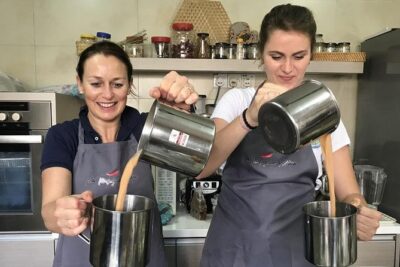
New Malaysian Kitchen Cooking Class and Garden Tour
Read our review →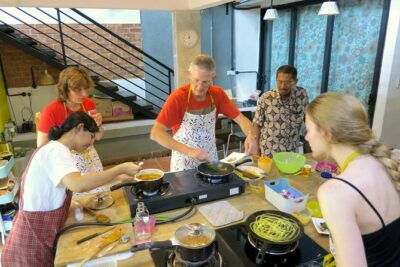
Market Visit & Private Hands-on Cooking Class at Daun Senja
Read our review →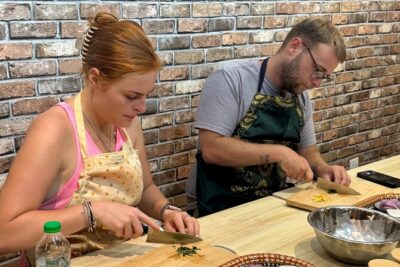
Malaysian Hands-On Cooking Class : Masala Medley
Read our review →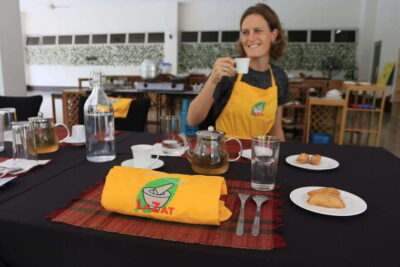
Browse the lists this tour appears in