
Reviewed · COOKING CLASSES IN KUALA LUMPUR
Malaysian Hands-On Cooking Class : Masala Medley
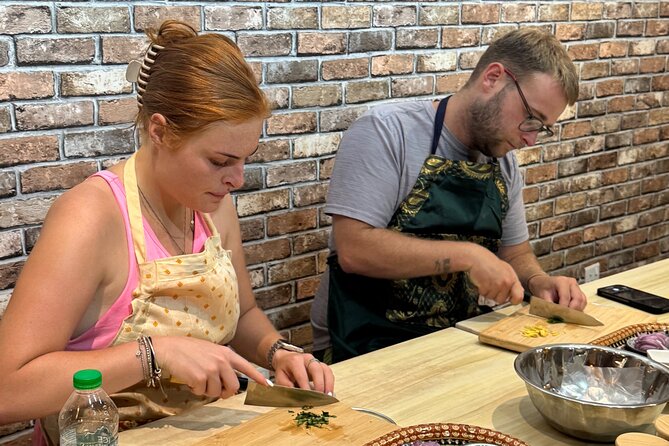
The best part of Masala Medley is simple: you do the cooking yourself. Each person gets a stove, counter, tools, and step-by-step help while making pakora, chicken curry, rice, cucumber pachdi, kesari, and masala chai. This is more useful than watching someone else stir a pot.
I like the small maximum of 12 people and the chance to learn how spices are tempered and combined into masala. I also like the practical finish: you eat the meal, take home a digital recipe booklet, and leave with a certificate and small gift. The main caution is timing. Although the class is sold as about three hours, one participant found it ended in under two hours, so the pace may vary.
Key points at a glance
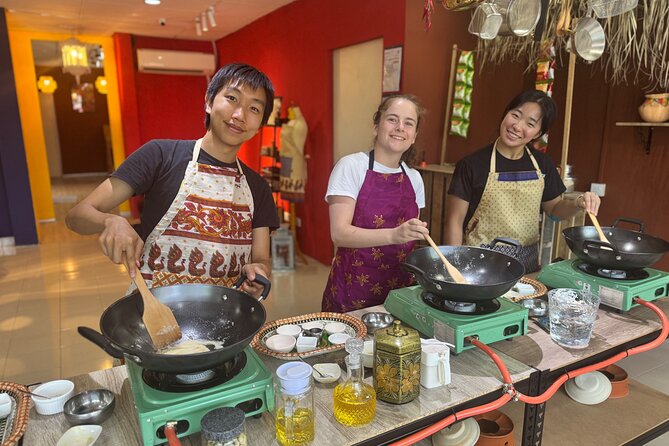
- Four dishes made by you: Prepare pakora, chicken curry, kesari, and masala chai, with basmati rice and cucumber pachdi alongside the main course.
- Your own cooking station: Every participant gets a gas stove, counter space, utensils, and ingredients for hands-on work.
- A small class above Jalan Imbi: The studio is on the first floor at 76A Jalan Imbi, near public transportation and above a local bakery.
- Useful spice instruction: Learn how to recognize everyday Malaysian and Indian spices, temper them, and build a masala.
- Beginner-friendly guidance: Instructor Rene explains the process step by step and answers cooking questions during the session.
- Take-home extras: You receive a digital recipe booklet, participation certificate, door gift, and photos at the end.
Cooking four dishes instead of watching a demonstration
Many cooking classes show you the difficult parts and then quietly finish the dish in the kitchen. Masala Medley takes a more useful route. You work at your own station from the first chopping and seasoning through to serving.
The menu gives you a good spread of techniques. Pakora teaches you how a seasoned vegetable mixture becomes a crisp fritter. Chicken curry takes you through the longer process of building flavor from onions, spices, and sauce. Kesari brings a sweet finish, while masala chai shows how to balance tea, milk, spices, and sweetness.
Basmati rice and cucumber pachdi complete the meal. They may not receive the same attention as the curry, but they matter. Rice gives you a neutral base for a strongly seasoned main course, while the cool cucumber side cuts through the heat and spice.
You should arrive ready to take part, not simply eat. The class includes meals, snacks, bottled water, and coffee or tea, but the central point is the work at your station. If you prefer a polished meal with no chopping, stirring, or cleanup, this will feel more like a lesson than a relaxed lunch.
More Cooking Classes in Kuala Lumpur
- LaZat Malaysian Cooking Class
★ 5.0 · 87 reviews - Malaysia Cooking Classes With Local
★ 5.0 · 87 reviews - New Malaysian Kitchen Cooking Class and Garden Tour
★ 5.0 · 54 reviews
Getting oriented to Malaysian and Indian spices
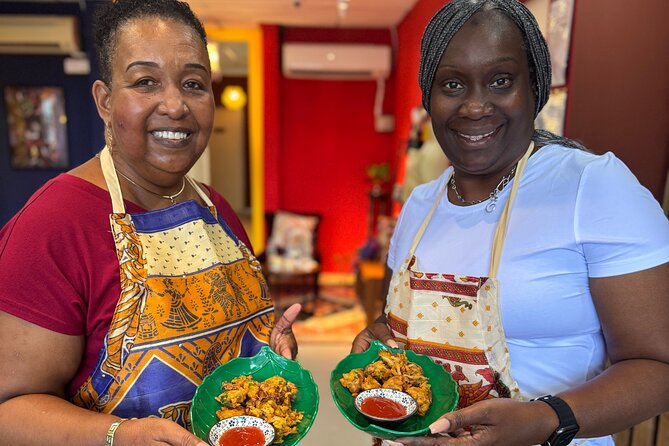
The class begins with an introduction to the spices used in the menu. You learn about their aromas, how they are handled, and the part they play in each dish. That early explanation is important because many home cooks can follow a recipe but still struggle to understand why a curry tastes flat or bitter.
The useful lesson here is tempering. Spices are not always added at random to a pot. Heating them in the right way helps release aroma and gives the dish a proper base. You also learn how a masala develops as ingredients are added in stages rather than all at once.
Rene, the instructor named in the class material and praised for answering questions clearly, guides the group through the process. The class is designed for beginners, so you do not need prior cooking experience. Still, you should expect to pay attention. The value comes from learning small decisions that a printed recipe may not explain, such as how spices smell as they heat and when a mixture is ready for the next ingredient.
This portion may be the most valuable part for anyone who wants to recreate the food at home. The menu is not simply a collection of dishes. It gives you a basic lesson in how spice, heat, texture, and timing work together.
Pakora begins the hands-on work
Your first dish is pakora, a crisp vegetable fritter. It is a sensible opening course because it lets you get comfortable with the equipment and cooking method before moving to the chicken curry.
You prepare the mixture, season it, and cook it at your own station. The finished pakora is eaten during the class, so you get an immediate sense of how your work turned out. That makes the lesson more engaging than waiting until the very end to taste anything.
Pakora is also a useful home-cooking dish. It uses familiar ingredients and shows how vegetables can become a snack or starter with the help of spices and a hot pan. You should not expect a long lesson in regional variations, since the class follows one menu per session. The strength is practice, not a survey of every type of fritter found in Malaysia or India.
Take care with the pace here. One low-scoring account described a much shorter class and felt that only a simple dish had been prepared. The class provider says the standard session includes four dishes, and the listed menu confirms that broader plan. Still, the experience may move quickly on a particular day, so ask questions while you cook rather than waiting for a later explanation.
Building chicken curry from the beginning
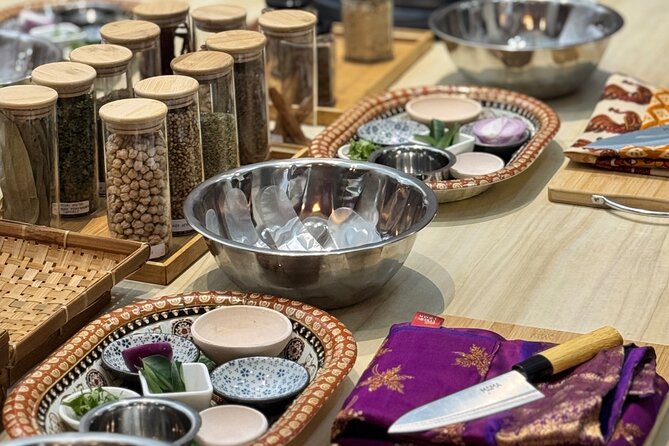
The chicken curry is the main teaching dish. You work through the stages rather than receiving a sauce prepared in advance. This is where the class earns its price for many home cooks, because curry-making depends on order and timing as much as ingredients.
You begin with the base, add spices at the right point, and develop the masala before the chicken and remaining ingredients come together. The class description specifically emphasizes cooking the chicken curry from scratch. That gives you a clearer idea of how the sauce is formed and why a curry can taste different when ingredients are rushed.
The curry is paired with fragrant basmati rice and cucumber pachdi. Together, the three parts make a proper meal rather than a series of unrelated samples. You can taste how the rice carries the sauce and how the cool cucumber side changes the overall balance.
The meal should be filling. A participant described the menu as well organized and substantial, while another said the food was good but felt the instruction was too limited. That contrast is worth keeping in mind. The food plan appears generous, but your satisfaction will depend on how much explanation and personal guidance you receive during the session.
If you have questions, this is the time to ask them. Find out how the curry changes with more or less spice, how to recognize a properly cooked masala, and what can be prepared ahead at home. The small class size should make it easier to get attention than in a large demonstration kitchen, although the number of participants can reach 12.
More hands-on workshops near Kuala Lumpur:
- Batu Caves and Sari Experience with Batik Workshop
★ 5.0 · 181 reviews - Market Visit & Private Hands-on Cooking Class at Daun Senja
★ 5.0 · 51 reviews - Batik Coloring Workshop by myBatik
★ 5.0 · 48 reviews - Batik Bag Painting Workshop by myBatik
★ 5.0 · 35 reviews
Kesari and masala chai finish the lesson
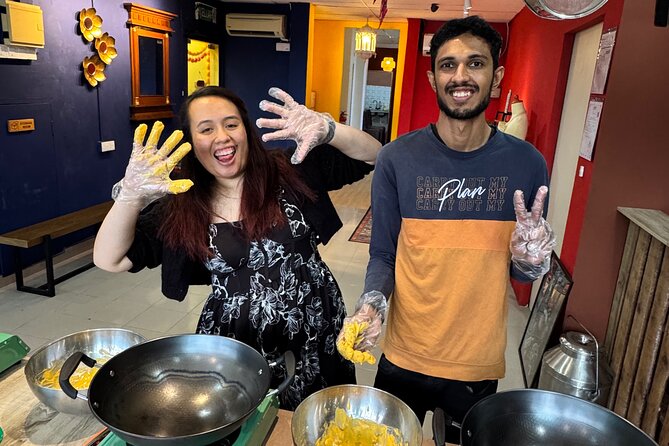
After the savory dishes, you prepare kesari, an Indian dessert. This gives the class a change of pace and shows how the same care with heat and texture applies to sweets. Kesari is comforting rather than elaborate, making it a reasonable dish for a beginner to try again at home.
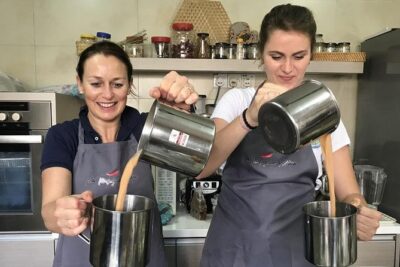
The final cooking task is masala chai brewed from scratch. This is more than a drink served at the end. You learn how tea, milk, spices, and sweetness come together, and you finish the class with something warm and familiar.
Chai is also a good closing lesson because it reinforces the class theme: everyday food made with attention. You are not learning restaurant decoration or specialized equipment. You are learning methods that can fit into an ordinary home kitchen.
The schedule allows you to eat as you go, rather than waiting until every dish is complete. That helps break up the three-hour session and lets you judge the results while the techniques are still fresh. If you want time for long conversations or a leisurely meal, the pace may feel brisk. If you want to cover several dishes in one morning or afternoon, that pace works in your favor.
A small studio in central Kuala Lumpur
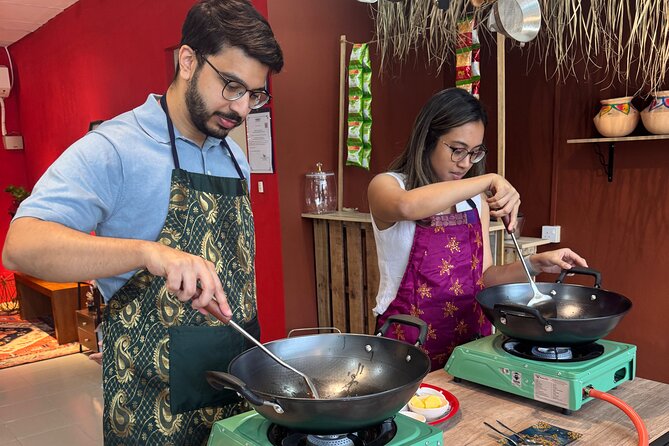
Masala Medley meets at First Floor, 76A Jalan Imbi, in the Bukit Bintang area of Kuala Lumpur. The studio is above a local bakery, which gives the setting a more everyday feel than a hotel cooking school or a large commercial kitchen.
The meeting point is near public transportation. Transport before and after the class is not included, so you arrange your own way there and back. Since the activity begins and ends at the same address, you do not need to plan for a separate drop-off point.
The setting is practical rather than grand. You should think of it as a compact teaching kitchen where the focus is on your station, the ingredients, and the instructor. A maximum of 12 participants keeps the group from becoming huge, but it is not a private class. Couples and small groups should find the format easy to manage, while solo participants can join without needing to organize their own party.
Wear something comfortable and suitable for cooking. The class provides an apron and cooking tools, but the supplied information does not promise a particular type of clothing, storage, or seating arrangement. Arrive ready to stand, chop, stir, and move around your station.
What the $66.99 price buys you
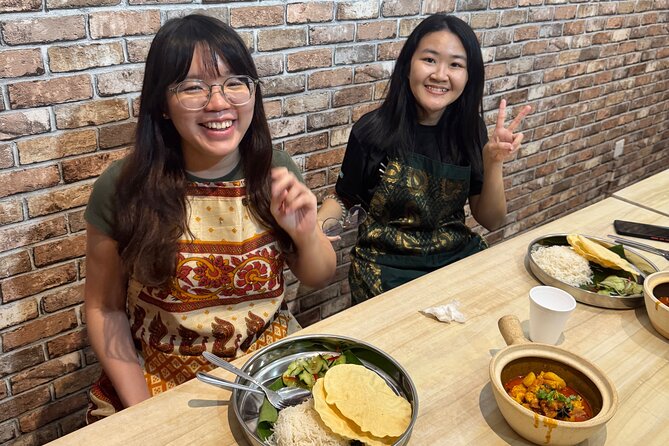
At $66.99 per person, Masala Medley is not the cheapest way to eat curry in Kuala Lumpur. It is also not priced as a simple meal. You are paying for roughly three hours of instruction, ingredients, your own gas stove and tools, four prepared items, a full meal, drinks, and take-home material.
The value is strongest if you will actually use the recipes. A digital booklet can help you repeat the food later, and the personal practice is more useful than buying a cookbook if you learn best by doing. The participation certificate, photos, and door gift are pleasant extras, but I would not use them to justify the price.
For someone who only wants to taste Malaysian food, the cost is harder to defend. Kuala Lumpur offers many less expensive meals, and this class requires your time and attention. For a food-focused visitor who wants a cultural activity and practical cooking skills, the price is more reasonable.
The current score is 4.8 out of 5, with 96 percent recommending the experience. That is a strong signal, but the small number of published ratings means you should keep expectations measured. The mixed feedback suggests a key question to ask yourself: do you care more about eating the dishes or about receiving detailed instruction? The class is built for both, but individual sessions may vary in pace.
Who will get the most from Masala Medley
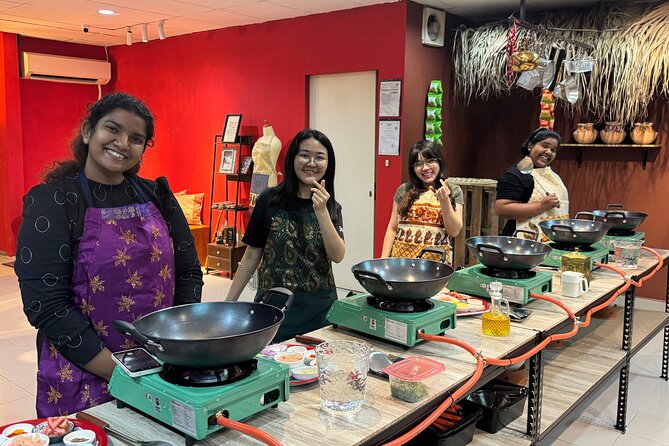
I would recommend this class to beginners, couples, solo food lovers, and anyone who wants a structured activity in central Kuala Lumpur. You do not need to know how to cook Indian or Malaysian food before arriving. The individual station reduces the awkwardness of sharing every task with a stranger, and the step-by-step format gives you a clear role throughout.
It also suits people who enjoy asking questions. The best use of the session is to watch the spice changes, smell the masala as it cooks, and ask why an ingredient goes in at a particular moment. That is where you gain something you cannot get from simply ordering curry.
Families or groups should confirm that all members are comfortable with a three-hour cooking session. The class is hands-on, and the maximum of 12 means it may include a mix of skill levels. The provider describes it as suitable for beginners, but that does not mean every participant will move at the same speed.
You may want to skip it if you have very little time in Kuala Lumpur, dislike cooking, or expect a wide-ranging food tour. The format centers on one menu and one kitchen. It does not take you around the city or introduce several restaurants and markets.
Practical details before you book
Confirmation is provided at booking, and mobile tickets are accepted. The class begins and ends at the Jalan Imbi meeting point. There is no included transport, so factor in your own travel time to Bukit Bintang.
Free cancellation is available if you cancel at least 24 hours before the start time. Changes or cancellations inside that window are not accepted for a refund. Check the local start time carefully, especially if your Kuala Lumpur schedule includes a flight or another timed activity.
The activity is listed at about three hours, but allow some flexibility. One person reported a session of less than two hours, while the standard plan includes four dishes. If the cooking class is important to your day, do not book a tight appointment immediately afterward.
The class provides meals, bottled water, snacks, and coffee or tea. It also provides the cooking station and tools. The supplied details do not specify dietary substitutions, so contact the provider before booking if you need changes to the menu.
Should you book this cooking class?
Book Masala Medley if you want to learn by cooking, not just watch a chef work. The individual station, four-dish menu, spice lesson, and recipe booklet make it a useful choice for a food-focused visit to Kuala Lumpur. It also offers a pleasant change from sightseeing, with the added benefit of eating what you prepare.
Go in with realistic expectations. This is a small home-style workshop, not a professional culinary qualification or a full tour of Malaysian cuisine. The published feedback is strongly positive, but one account raises a fair concern about a shorter session and limited instruction. Ask questions, stay involved, and keep a little spare time after the class.
For beginners and curious eaters, I think the chance to make pakora, curry, kesari, and masala chai at your own station gives the $66.99 price a reasonable purpose. If you only want a cheap meal, spend the money at a local restaurant instead.
FAQ
Where does the Masala Medley cooking class take place?
The class takes place at Masala Medley Cooking Class, First Floor, 76A Jalan Imbi, Bukit Bintang, 55100 Kuala Lumpur. It is above a local bakery and near public transportation.
How long does the class last?
The experience is scheduled for approximately three hours. One published account reported that a session lasted less than two hours, so you should allow some flexibility in your plans.
What dishes will I prepare?
You prepare pakora, chicken curry, basmati rice, cucumber pachdi, kesari, and masala chai. The class description presents these as a four-dish menu with rice and cucumber pachdi served alongside the curry.
Do I get my own cooking equipment?
Yes. Each participant receives a gas stove, counter space, and a full set of cooking tools for hands-on preparation.
Is transport included?
No. Transport before and after the class is not included. The activity starts and ends at the Jalan Imbi meeting point.
Can I cancel for a full refund?
Yes, if you cancel at least 24 hours before the experience start time. Cancellations or changes made less than 24 hours before the start time are not eligible for a refund.
Just added around Kuala Lumpur
- Walk & Discover KL’s Architectural and Heritage Gems★ 5.0 · 7 reviews
- Private Transfer: Kuala Lumpur International Airport to or from Hotel★ 4.5 · 14 reviews
- Transit Tour Private Tour (Ex Port Klang Cruise Centre/KLIA 1 &2)★ 5.0 · 10 reviews
- Private Port Klang Cruise to Kuala Lumpur City Tour★ 5.0 · 3 reviews
- Private Kuala Lumpur Shore Excursions★ 4.5 · 22 reviews
- Kuala Lumpur City & Batu Caves Temple Private Tour★ 4.5 · 3 reviews
- Kuala Lumpur International Airport Transfers★ 5.0 · 4 reviews
- Kuala Lumpur International Airport Layover Tour★ 4.0 · 12 reviews
Cooking Classes in Kuala Lumpur, compared.
New Malaysian Kitchen Cooking Class and Garden Tour
Read our review →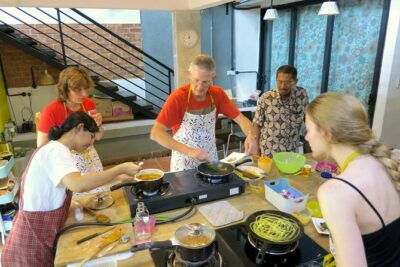
Market Visit & Private Hands-on Cooking Class at Daun Senja
Read our review →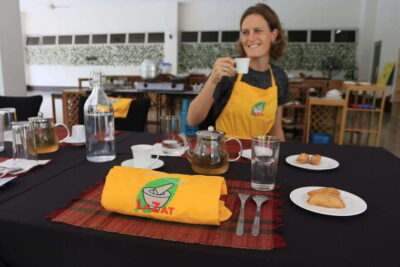
Browse the lists this tour appears in